


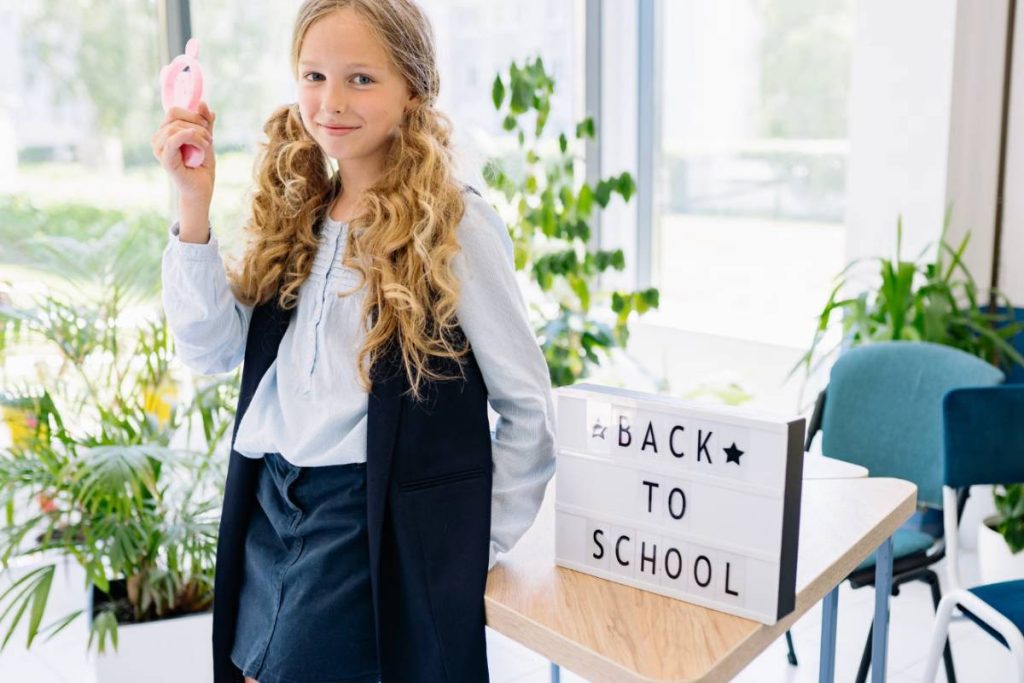
The first few weeks of school help shape the tone for the entire academic year. They give students a chance to meet new classmates, become familiar with classroom routines, and feel more comfortable in a new learning environment.
Thoughtfully planned activities can make this transition smoother while encouraging participation from the very beginning.
Whether you’re a teacher looking for engaging classroom ideas or a parent hoping to support your child, these back to school activities can help students build confidence, form new friendships, and begin the school year with a positive mindset.
1. Why Back to School Activities Matter?
The first days of school are about more than reviewing class rules or handing out schedules. Students are adjusting to new teachers, classmates, routines, and expectations, which can feel both exciting and overwhelming.
Well-planned activities help create a welcoming classroom environment where students feel comfortable participating and getting to know one another.
These activities also give teachers an opportunity to learn about their students, establish classroom expectations, and encourage collaboration from the start. When students feel connected and included during the first few weeks, they’re often more confident, engaged, and prepared to learn throughout the school year.


2. Back to School Activities for the First Day
The first day sets the tone for the weeks ahead. Activities that encourage participation, movement, and conversation can help students feel more relaxed while making introductions feel natural instead of awkward.
Icebreaker Games
Icebreakers help students learn each other’s names and discover shared interests. Choose simple games that encourage everyone to participate without putting anyone on the spot.
Popular ideas include:
- Two Truths and a Lie
- Find Someone Who…
- Would You Rather?
- Bingo with student interests
Classroom Scavenger Hunt
A scavenger hunt helps students become familiar with their new classroom while adding an element of fun.
Create a checklist that encourages students to find important locations or supplies, such as:
- The classroom library
- Homework turn-in area
- Supply station
- Emergency exit
- Classroom calendar
- Technology charging station
This activity works especially well for younger students or anyone entering a new school.
Student Introductions
Instead of asking students to introduce themselves one at a time, use creative formats that encourage conversation.
Students can:
- Interview a classmate and introduce them to the class.
- Share three interesting facts about themselves.
- Create a short slide or poster.
- Bring an item that represents one of their hobbies or interests.
These approaches help students get to know one another in a more engaging way.
Classroom Rules Activity
Rather than simply reading a list of rules, involve students in creating classroom expectations together.
Ask small groups to discuss questions such as:
- What helps everyone learn?
- What makes a classroom respectful?
- How should we solve disagreements?
Building classroom expectations together encourages students to take ownership of the learning environment from the very beginning.
3. Top Back to School Activities That Build Classroom Community
Community-building shouldn’t stop after the first day. Activities during the first few weeks help strengthen relationships, encourage teamwork, and create a classroom where students feel comfortable asking questions and supporting one another.
Team Building Challenges
Group challenges teach students how to communicate, solve problems, and work toward a shared goal.
Examples include:
- Marshmallow tower challenge
- Paper bridge competition
- Escape room puzzles
- Build-the-tallest structure activities
These challenges naturally encourage collaboration while keeping students engaged.
Goal Setting Activities
Invite students to think about what they want to accomplish during the school year.
They can set goals related to:
- Academic achievement
- Reading
- Attendance
- Organization
- Personal growth
- Extracurricular activities
Writing goals early in the year also creates opportunities to revisit and celebrate progress later.
All About Me Projects
“All About Me” activities allow students to express their personalities while helping teachers understand their interests and learning preferences.
Students might create:
- Posters
- Digital presentations
- Personal timelines
- Interest collages
- Mini biographies
Displaying these projects around the classroom also helps students find common interests with their classmates.
Kindness and Friendship Activities
Positive classroom relationships don’t happen automatically. Activities that encourage kindness help students build trust and create an inclusive environment.
Simple ideas include:
- Writing encouraging notes to classmates.
- Creating a classroom kindness chain.
- Completing random acts of kindness challenges.
- Sharing compliments during morning meetings.
These activities reinforce empathy, respect, and teamwork while helping every student feel like they belong.

4. 4 Back to School Activities for Families
Learning doesn’t stop when the school day ends. Family involvement during the first few weeks helps children feel supported, build positive routines, and develop excitement about the new school year.
These activities encourage parents and children to spend quality time together while reinforcing what students are learning in school.
Back to School Night
Many schools host a Back to School Night before or shortly after classes begin. It’s an opportunity for parents to meet teachers, tour classrooms, learn about expectations, and ask questions about the curriculum or school policies.
Before attending, consider preparing a few questions about:
- Classroom communication methods.
- Homework expectations.
- School events and volunteer opportunities.
- Academic goals for the year.
Family Reading Challenge
Reading together helps children build literacy skills while creating a daily routine outside the classroom.
Set a family goal, such as:
- Reading for 20 minutes each evening.
- Finishing a certain number of books each month.
- Exploring books from different genres.
- Visiting the local library together once a week.
Small rewards or reading charts can make the challenge even more motivating for younger students.
School Photo Scavenger Hunt
Turn the first week of school into a memorable family activity by creating a simple photo scavenger hunt.
Encourage children to take photos with:
- The school entrance.
- Their classroom door.
- Their teacher (if permitted).
- A new friend.
- The playground.
- Their favorite reading spot.
Besides creating lasting memories, this activity helps younger students become more familiar with their new school environment.
>>> Also read: Free Laptop For College Students: Reality Check & Trusted Guidelines
5. Helping Students Stay Organized Beyond the Classroom
Back-to-school activities help students settle in, but staying organized all year happens mostly outside school hours. With many schools now limiting phone use during class, smartphones are best used at home for planning and coordination.
Older students can use a phone to check assignments, set reminders, and access learning platforms after school. For parents, it helps manage schedules, receive updates, and handle last-minute changes.
For families looking to save, the Lifeline Program can help reduce monthly phone costs. Eligible households may also qualify for a free or low-cost smartphone through providers like AirTalk Wireless, depending on location and availability.


Here are a few examples of devices that work well for both students and parents:
iPhone Models
Students who prefer iOS may consider:
- iPhone SE (3rd Generation): Compact, fast, and ideal for everyday school tasks.
- iPhone 11: A dependable choice for educational apps, video calls, and all-day use.
- iPhone 12 Series: 5G support with improved performance and battery life.
- iPhone 13 Series: Excellent for multitasking, online learning, and long-term software support.
Samsung Galaxy Models
Android users can choose from several Galaxy devices that balance performance and affordability.
Popular options include:
These phones are well suited for school communication, productivity apps, online research, digital note-taking, and virtual classes.
Other Student-Friendly Options
AirTalk Wireless also offers other devices that may fit different needs and budgets, including:
- Motorola Moto G Series
- TCL A30
- TCL 20 SE
- Nokia G Series
Before choosing a device, enter your ZIP code on the AirTalk Wireless website to check which phones and plans are currently available in your area. Available models and offers vary by state and eligibility.
Note: AirTalk Wireless operates under the federal Lifeline Program as an Eligible Telecommunications Carrier (ETC). Eligibility varies by state and program. Offers depend on availability and qualifications. Service is non-transferable and limited to one service per household.
6. FAQs
What are some fun math activities for the beginning of the school year?
Some of the best back to school math activities include estimation jars, number scavenger hunts, classroom graphing projects, math bingo, and collaborative problem-solving games.
These activities help students review key concepts while making math more engaging during the first week.
Which activities work best for preschool students?
Simple hands-on games, story time, sensory bins, coloring pages, music, and movement activities are among the most effective back to school preschool activities.
They help young children become familiar with classroom routines while building confidence and social skills.
What activities keep middle school students engaged?
Students in middle school often respond well to collaborative projects, classroom escape rooms, team challenges, goal-setting exercises, and discussion-based icebreakers.
These back to school activities for middle school encourage communication and help students build connections without feeling childish.
How can parents make the first week of preschool easier?
Parents can prepare children by visiting the school before the first day, practicing daily routines, labeling school supplies, and talking positively about school.
Simple back to school activities for preschoolers, such as reading books about starting school or role-playing classroom routines, can also help reduce first-day anxiety.
Conclusion
The best back to school activities do more than fill the first few days of class. They help students build confidence, strengthen friendships, establish positive routines, and create a classroom community where everyone feels welcome.
Whether you’re a teacher planning engaging lessons or a parent supporting your child’s transition back to school, thoughtful activities and the right everyday tools can help students begin the new school year feeling prepared, connected, and ready to learn.