


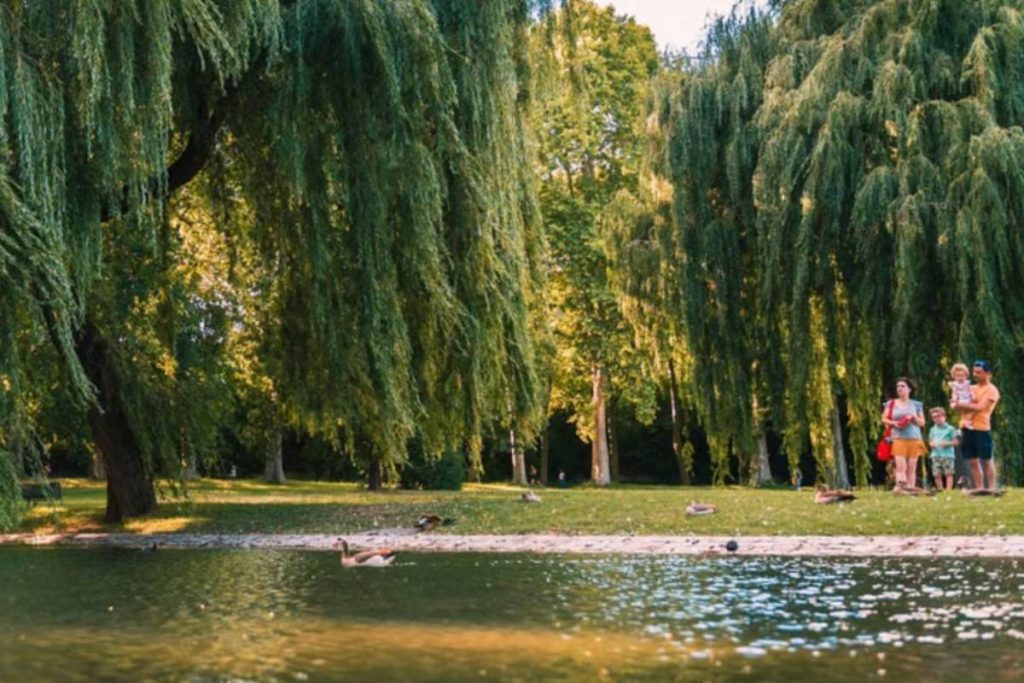
A nearby park can make family time easier, but the closest option is not always the right one for your child. Parents who search for the best parks for kids near me often need more than a name and address. They want a place that matches their child’s age, interests, energy level, and support needs.
This guide will help you compare local parks, check the details that matter before you leave, and choose a place where the whole family can enjoy the day.
1. How to Find the Best Parks for Kids Near Me
A park can look ideal on a map but still lack the facilities your family needs. Check official information and recent visitor experiences before choosing where to go.


Search Official Local Park Directories
Start with the parks and recreation website for your city, county, or state. Official directories often let you search by location and filter for playgrounds, trails, sports courts, picnic areas, restrooms, and accessible facilities.
Check the individual park page for opening hours, seasonal closures, parking rules, and current notices. This information is usually more dependable than an old directory listing.
Check Recent Reviews and Visitor Photos
Recent reviews can reveal details that an official description may not mention, such as damaged equipment, limited shade, crowded parking, or closed restrooms. Visitor photos can also show the actual condition and layout of the park.
Focus on reviews from families who visited recently. One negative comment may reflect a temporary problem, but repeated complaints about safety or maintenance deserve attention.
Confirm Park Features Before Visiting
Check whether the park has age-appropriate equipment, fencing, shade, drinking water, restrooms, and convenient parking. Families may also need to confirm wheelchair access, sensory-friendly areas, changing facilities, or nearby food options.
Call the park office when an important detail is unclear. This is especially helpful for seasonal splash pads, wildlife programs, reservable picnic areas, and facilities undergoing repairs.
2. 7 Types of Kid-Friendly Parks and What Each One Offers
Not every park offers the same experience. Some are designed for active play, while others are better for nature walks, sports, water activities, or relaxed family gatherings. This quick comparison can help you select the most suitable park type.
| Park Type | Best For | Common Features | What to Check |
| Playground parks | Everyday play and short outings | Slides, swings, climbing structures, benches | Age range, fencing, shade, and surface condition |
| Outdoor recreation parks | Active families and longer visits | Trails, open fields, bike paths, picnic areas | Trail difficulty, weather, and equipment rules |
| Wildlife and nature parks | Children interested in animals and nature | Habitats, observation areas, nature trails, educational signs | Animal-viewing times, admission, and trail access |
| Splash pad and water-play parks | Warm-weather outings | Sprayers, fountains, shallow play zones, changing areas | Operating season, water shoes, and supervision rules |
| Accessible and sensory-friendly parks | Children with mobility or sensory needs | Ramps, adaptive swings, quiet spaces, inclusive equipment | Accessible parking, restrooms, and equipment availability |
| Sports and activity parks | Children who enjoy organized or energetic play | Courts, fields, skate areas, tracks | Reservations, age limits, and required equipment |
| Community and picnic parks | Family gatherings and mixed-age groups | Tables, grills, lawns, shelters, nearby playgrounds | Reservation fees, grill rules, and group limits |
Parks With Playgrounds
Playground parks work well for short outings and regular after-school visits. The best parks near me for kids with playground equipment should offer structures suited to different ages, safe ground surfaces, seating for caregivers, and enough visibility to supervise children.
Look for separate toddler and school-age play areas when siblings have a large age gap. Shade, fencing, restrooms, and working water fountains can also make a major difference during a longer visit.
Outdoor Recreation Parks
Outdoor recreation parks give children more room to run, ride bikes, explore trails, or play on open lawns. Families searching for the best outdoor parks for kids near me should compare trail length, terrain, available shade, and access to picnic or rest areas.
Choose a route that matches the youngest child’s ability and bring suitable shoes, water, and sun protection. Check whether bicycles, scooters, pets, or sports equipment are permitted in the area you plan to use.
Wildlife and Nature Parks
Wildlife and nature parks can introduce children to local plants, animals, and habitats in a hands-on setting. A search for best wildlife parks for kids near me reviews can help families learn whether animals are regularly visible and whether the trails are manageable for young visitors.
Check for guided walks, junior ranger activities, visitor centers, or educational programs. Children should observe wildlife from a safe distance and follow all instructions about feeding or approaching animals.
Splash Pad and Water-Play Parks
Splash pads offer active outdoor play without the depth of a traditional swimming pool. They are often suitable for younger children, although adult supervision remains necessary at all times.
Confirm that the splash pad is open because many operate only during warmer months or limited daily hours. Pack water shoes, towels, dry clothing, sunscreen, and any swim diapers required by park rules.
Accessible and Sensory-Friendly Parks
Inclusive parks may have ramps, transfer platforms, supportive swings, wide pathways, and ground-level activities. Some also provide quieter play spaces for children who can become overwhelmed by noise, crowds, or movement.
Do not rely only on an “accessible” label. Check which parts of the playground can be reached independently and whether accessible parking, paths, restrooms, and seating are available.
Sports and Activity Parks
Sports parks are a strong option for children who prefer basketball, soccer, skating, tennis, or other structured activities. Some locations also have running tracks, climbing walls, pump tracks, or open practice fields.
Check whether courts and fields are open to the public or reserved for leagues at certain times. Bring the appropriate safety equipment and review any age or supervision requirements for skate parks and similar facilities.
Community and Picnic Parks
Community parks usually combine open space, picnic facilities, walking paths, and basic recreation areas. They can suit families with children of different ages because everyone has more than one way to spend the visit.
Shelters, grills, and large tables may require advance reservations. Review rules for cooking, music, decorations, pets, and group size before planning a birthday party or family gathering.
>>> Read more: Taco Food Truck Near Me: 4 Simple Tips to Find the Best Tacos Nearby
3. How to Choose a Kids’ Park Based on Age and Interests
The best parks for kids near me will not be the same for every family. A toddler may need a fenced playground with low equipment, while an older child may prefer a sports court, longer trail, or wildlife activity.
| Child’s Age or Interest | Recommended Park Features | Park Types to Consider | What to Check |
| Toddlers | Low slides, bucket swings, fencing, soft surfaces | Playground or accessible park | Equipment age range, gates, shade, and changing facilities |
| Preschoolers | Climbing structures, imaginative play, splash areas | Playground, splash pad, or community park | Visibility, water-play schedule, and restroom access |
| School-age children | Larger equipment, trails, courts, and open fields | Recreation, sports, or nature park | Difficulty level, equipment rules, and supervision needs |
| Active and sports-focused children | Courts, fields, tracks, or skate areas | Sports and activity park | Reservations, safety gear, age limits, and league schedules |
| Children interested in animals and nature | Habitats, observation areas, guided programs | Wildlife or nature park | Program times, trail conditions, and animal safety rules |
| Children with mobility or sensory needs | Adaptive equipment, smooth paths, quiet zones | Accessible and sensory-friendly park | Accessible parking, restrooms, ramps, and quiet periods |
| Families with children of different ages | Multiple play zones, lawns, trails, and picnic spaces | Community or large recreation park | Distance between facilities and visibility across play areas |
4. Safety, Accessibility, and Costs to Check Before Visiting a Kids’ Park
A quick review before leaving can prevent safety problems and unexpected expenses. Use this checklist when comparing the best parks for kids near me:
- Check that playground equipment is suitable for your child’s age.
- Look for soft, well-maintained surfaces beneath play structures.
- Confirm whether the play area is fenced and separated from roads or parking lots.
- Check for shade, seating, drinking water, and working restrooms.
- Review recent notices about repairs, closures, or poor weather conditions.
- Confirm that paths, entrances, equipment, and restrooms meet your family’s accessibility needs.
- Check whether sensory-friendly spaces or quiet areas are available.
- Review admission, parking, reservation, and activity fees.
- Ask whether picnic shelters, sports courts, or special programs require booking.
- Save the park office or ranger contact information in case you need help.

5. How to Plan a Successful Family Park Visit
A little preparation can make the outing more comfortable for both children and adults. Before heading out, use these simple tips to avoid common problems and give your family more time to enjoy the park:
- Check the weather and park hours before leaving.
- Choose activities that suit your child’s age and energy level.
- Pack water, snacks, sunscreen, hats, and basic first-aid supplies.
- Bring spare clothes for water play or muddy areas.
- Review a few simple safety rules before children begin playing.
- Arrive early if parking spaces or popular facilities fill quickly.
- Choose a meeting point in case anyone becomes separated.
- Allow time for rest instead of filling the day with too many activities.
>>> Read more: Cheap Food Near Me Under $10: Best Budget-Friendly Places to Eat
Conclusion
The best parks for kids near me should match your child’s age, interests, and support needs while giving the whole family a safe and comfortable place to spend time together. Check current park conditions, facilities, accessibility, and possible fees before leaving so everyone can enjoy the outing with fewer surprises.