



If you are searching for breast reduction doctors that accept Medicaid near me, you are likely dealing with more than cosmetic concerns. Chronic back pain, shoulder grooves from bra straps, skin irritation, and posture problems are common medical reasons patients seek reduction surgery. While Medicaid does not cover cosmetic procedures, it may approve breast reduction when it is medically necessary and properly documented.
The challenge is not only qualifying but also finding surgeons who accept your specific Medicaid plan and are available. In this guide, we explain how coverage works, who typically gets approved, where to find breast reduction doctors that accept Medicaid near you, and how to avoid delays in the scheduling and authorization process.
1. Does Medicaid Cover Breast Reduction Surgery?
Medicaid may cover breast reduction surgery, but only when it is considered medically necessary, not cosmetic. Each state runs its own Medicaid program under federal guidelines, so coverage rules vary slightly, but the core requirement is the same: the procedure must treat a documented medical condition.
In most states, breast reduction can qualify if you have:
- Chronic back, neck, or shoulder pain that has not improved with conservative treatment
- Shoulder grooving from bra straps
- Recurrent skin infections or rashes under the breasts
- Nerve pain, numbness, or posture problems linked to breast size
- Functional limitations that affect daily activities
Medicaid usually requires proof that non-surgical treatments were attempted first. This may include physical therapy, pain management, weight management efforts, or supportive garments. Documentation from your primary care physician and sometimes imaging or specialist evaluations may also be required.
Even if Medicaid covers breast reduction in your state, approval still depends on meeting strict medical criteria and going through the prior authorization process.


2. Breast Reduction Doctors That Accept Medicaid Near Me: Who Gets Approved
When people search for breast reduction doctors that accept Medicaid near me, they are often asking two separate questions: Do I qualify, and will a surgeon accept my Medicaid plan?
Approval typically depends on three major factors:
Documented Medical Necessity
Doctors must clearly show that your symptoms are severe and persistent. This includes medical records, treatment history, and physician notes confirming that breast size is causing measurable health problems.
Completion of Conservative Treatment
Many Medicaid plans require evidence that you tried non-surgical options first. If you have not completed physical therapy or other recommended treatments, approval may be delayed.
Meeting Surgical Criteria
Some states use minimum tissue removal guidelines based on body surface area. Surgeons must document how much tissue is expected to be removed and explain why the procedure is medically required.
Even if you meet medical requirements, not all plastic surgeons accept Medicaid. Many private cosmetic practices do not participate in Medicaid plans. This is why hospital-based plastic surgery departments and university medical centers are often more reliable options when looking for breast reduction doctors that accept Medicaid near you.
Understanding both eligibility and provider participation helps you focus on realistic appointment options rather than wasting time contacting clinics that do not work with Medicaid patients.
3. What Doctors Look for Before Accepting Medicaid Breast Reduction Cases
Before a surgeon agrees to move forward with a Medicaid breast reduction case, they evaluate more than just your symptoms. Because Medicaid requires medical necessity and prior authorization, doctors must be confident the case meets strict coverage guidelines.
Here is what most surgeons review:
Clear Medical Documentation
Doctors look for detailed records showing ongoing pain, functional limitations, or recurring skin conditions. Office notes from your primary care provider, orthopedic specialist, or dermatologist can strengthen your case.
History of Conservative Treatment
Most Medicaid plans require proof that non-surgical treatments were attempted first. This may include:
- Physical therapy
- Pain management
- Anti-inflammatory medications
- Supportive bras
- Weight management efforts if recommended
If these steps are not documented, surgeons may delay submission for prior authorization.
Physical Evaluation and Measurements
Surgeons assess breast size relative to your body frame and estimate how much tissue would need to be removed. Some state Medicaid programs use tissue removal thresholds tied to body surface area calculations.
Overall Surgical Readiness
Doctors also evaluate general health factors such as smoking status, BMI considerations, underlying medical conditions, and ability to comply with post-surgical care. Medicaid approval does not override standard surgical safety criteria.
Because prior authorization can be time-consuming, many surgeons only accept Medicaid breast reduction cases when they believe approval is likely.
4. Where to Find Breast Reduction Doctors That Accept Medicaid Near You
Finding breast reduction doctors that accept Medicaid near you requires targeting the right type of medical facility. Many private cosmetic surgery practices focus on self-pay patients and may not participate in Medicaid networks.
The following options are often more reliable:
Hospital-Based Plastic Surgery Departments
Large hospitals frequently have plastic surgery departments that handle reconstructive and medically necessary procedures. These departments are more likely to:
- Participate in Medicaid plans
- Work with prior authorization requirements
- Accept referrals from primary care physicians
- Handle complex medical documentation
Start by checking your Medicaid provider directory, then call hospital plastic surgery departments directly to confirm they accept your specific Medicaid plan. Not all hospitals accept every Medicaid managed care plan, so verification is essential.
Teaching Hospitals and University Medical Centers
Teaching hospitals and university medical centers are another strong option. These facilities often:
- Provide reconstructive surgery services
- Accept Medicaid as part of broader public health commitments
- Have resident training programs supervised by board-certified surgeons
- Maintain structured intake and referral processes
Because these centers manage higher patient volumes, wait times may be longer. However, they are often among the most realistic pathways for patients searching for breast reduction doctors that accept Medicaid near them.
Calling ahead, confirming referral requirements, and asking about prior authorization steps can help you avoid unnecessary delays.
>>> Also read: Does Affordable Dentures Take Medicaid? It Depends – Here’s How to Find Out
5. Missed Calls Can Delay Breast Reduction Approvals
Many patients searching for breast reduction doctors that accept Medicaid near me focus only on eligibility and forget one practical reality: communication gaps can delay the entire process. Medicaid breast reduction cases usually require referrals, prior authorization, documentation reviews, and scheduling coordination between multiple offices. If you miss a call from the surgeon’s office, your primary care provider, or your Medicaid plan, your case may stall without you realizing it.
How Scheduling and Approval Work for Medicaid Breast Reduction
The process typically follows several steps. First, your primary care provider submits a referral to a plastic surgeon who accepts Medicaid. The surgeon’s office then schedules a consultation to evaluate medical necessity. After the evaluation, documentation is sent to your Medicaid plan for prior authorization review.
During this time, insurance representatives may call to verify information, request additional documents, or confirm treatment history. If paperwork is incomplete or clarification is needed, both you and the provider may be contacted. Missing these calls can lead to delays, resubmissions, or canceled consultation slots. In high-demand hospital systems, rescheduling may push your appointment back by weeks or even months.
Why Reliable Phone Access Helps You Stay in the Process
Reliable phone access plays a critical role in staying on track. Medicaid cases often involve time-sensitive callbacks, especially when prior authorization deadlines or surgical scheduling windows are involved. If a clinic cannot reach you, they may move to the next patient on their list.
For individuals who rely on Medicaid and may not have consistent phone service, this becomes a real barrier to care. This is where federal support programs can help.
The Lifeline program is a federal assistance program that helps eligible low-income households reduce the cost of phone or internet service. Lifeline does not provide medical care, but it helps ensure individuals can stay reachable for important calls related to insurance approvals, referrals, and surgical scheduling.
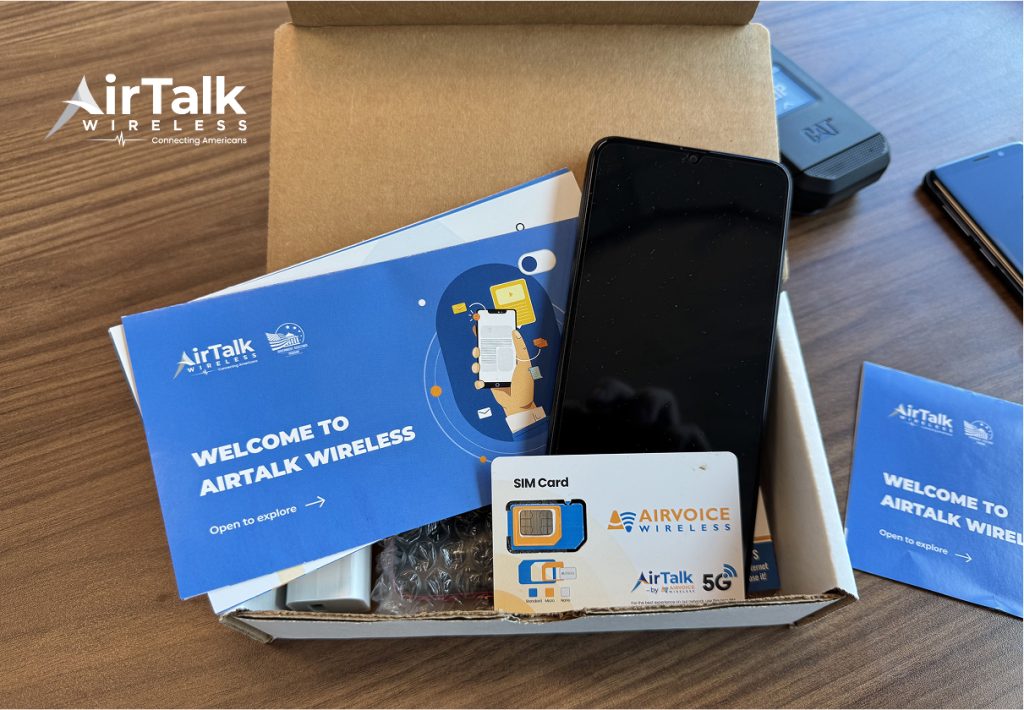
Benefits are delivered through approved providers. AirTalk Wireless is one of the Lifeline-supported providers that offers eligible individuals discounted or no-cost monthly phone service plans, depending on qualification and state availability. Having consistent phone access can help you respond quickly to clinic callbacks, confirm appointments, and avoid losing your place in the approval process.

Here is how the application process with AirTalk Wireless typically works:
- Visit the AirTalk Wireless website to begin a Lifeline application.
- Enter your ZIP code to confirm coverage and available options.
- Choose a Lifeline-supported plan designed for eligible users.
- Review available phone options if offered in your state.
- Confirm eligibility based on qualifying programs or income criteria.
- Upload verification documents if requested.
- Submit the application and wait for approval.
Staying reachable can make a meaningful difference when navigating complex Medicaid surgical approvals.
IMPORTANT: The government does not subsidize devices. Lifeline programs cover basic service costs only. Free or discounted devices, upgrade plans, or top-ups are exclusive benefits provided by AirTalk Wireless as part of our promotional offers. Terms and conditions apply. Limited-time promotion—offers vary by state, stock availability, and eligibility.

Conclusion
Finding breast reduction doctors that accept Medicaid near me involves more than meeting medical criteria. Approval depends on documented necessity, surgeon participation in your Medicaid plan, prior authorization review, and consistent communication throughout the process. Many delays happen not because patients are ineligible, but because paperwork is incomplete or calls are missed during critical stages of scheduling.