


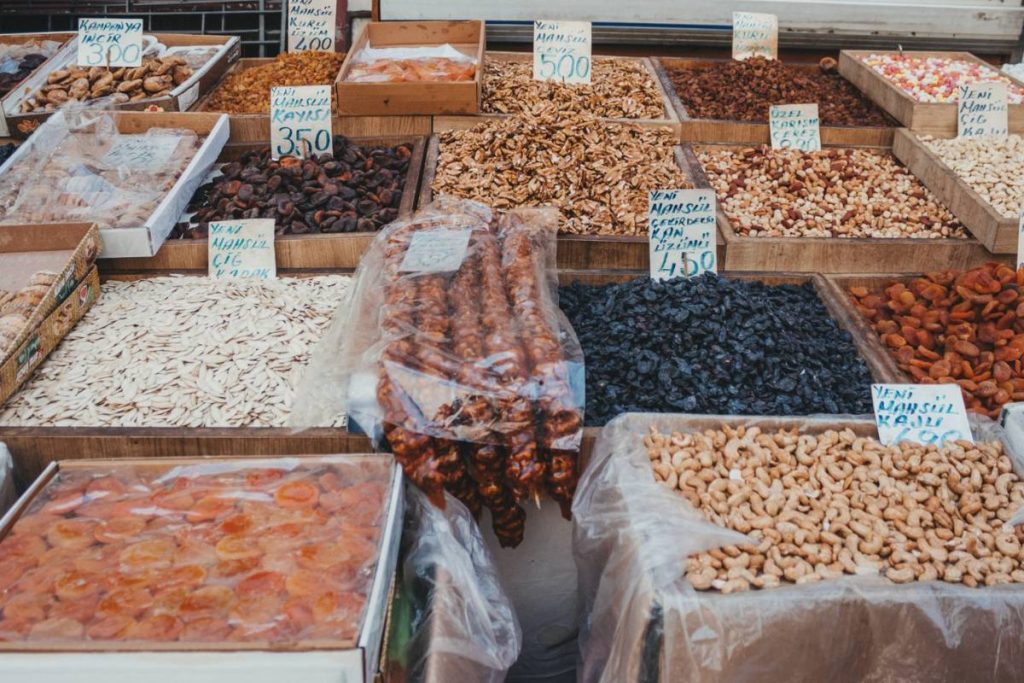
Buying in bulk can make sense when you regularly use the same pantry staples or want to purchase only the amount you need. The harder part is finding nearby stores with a good selection and prices that actually make bulk buying worthwhile.
Searching for bulk food stores near me can lead you to warehouse clubs, grocery bulk sections, and independent shops, but each works a little differently. This guide covers where to look, what you can buy, how to find cheaper local options, and what to compare before stocking up.
1. How to Find Bulk Food Stores Near Me
Finding nearby bulk food stores is not limited to searching for stores with “bulk” in their name. Bulk foods are sold through several types of retailers, from dedicated shops where you buy by weight to warehouse clubs that sell larger packages.
Comparing a few store types can help you find the right balance of selection, quantity, and price.
Search Maps and Local Directories
Start with Google Maps or Apple Maps using terms such as “bulk food store,” “bulk grocery store,” or “bulk foods.” Search results can show nearby locations along with hours, reviews, photos, and directions.
Customer photos are particularly useful for checking whether a store has self-serve bulk bins or mainly sells prepackaged goods in larger quantities. Local business directories can also uncover smaller stores that may not rank highly in map results.
Check Grocery and Warehouse Stores
Many supermarkets have dedicated bulk sections for items such as grains, nuts, dried fruit, and baking ingredients. Warehouse clubs take a different approach, typically selling food in larger packages rather than letting shoppers choose an exact quantity.
People searching for Amish bulk food stores near me may also find small markets in areas with Amish or Mennonite communities. These stores often carry dry goods, baking ingredients, spices, candies, and other foods in larger or simply packaged quantities.
Availability depends heavily on where you live, so local directories and map searches are useful for finding them.
Look for Independent Bulk Food Shops
Independent stores can be a good option when you want to buy food by weight rather than purchasing a large package. Depending on the shop, you may be able to bring or fill containers with the exact amount you need.
For larger quantities, searching wholesale bulk food stores near me can uncover restaurant suppliers, cash-and-carry stores, and food wholesalers that sell to the public. Check their purchasing policies first, since some wholesalers serve businesses only or have minimum order requirements.


2. What Can You Buy at Bulk Food Stores?
The selection varies by retailer. A dedicated bulk shop may have rows of self-serve bins, while a warehouse store may sell many of the same foods in family-size or commercial packages.
Grains, Rice, and Pasta
Dry staples are common bulk purchases because they generally have relatively long shelf lives when stored correctly. Depending on the store, you may find:
- White and brown rice
- Quinoa
- Oats
- Couscous
- Different types of pasta
- Other whole grains
Buying by weight can be particularly useful when you need an unusual grain for one recipe and do not want an entire package.
Nuts, Seeds, and Dried Fruit
Bulk sections often carry almonds, walnuts, cashews, sunflower seeds, pumpkin seeds, raisins, dates, and other dried fruits.
Compare the price per pound or ounce rather than assuming the larger quantity is cheaper. Nuts and seeds can also lose quality over time, so buying more than you can reasonably use may not save money.
Spices and Baking Ingredients
Spices are well suited to buy-by-weight stores because you can purchase a small amount instead of paying for a full jar. Common options may include herbs, spices, seasoning blends, and dried peppers.
Baking sections may also carry flour, sugar, cocoa powder, baking soda, chocolate chips, and other ingredients.
Snacks and Pantry Staples
Depending on the retailer, bulk bins may include:
- Granola
- Trail mix
- Pretzels
- Crackers
- Candy
- Cereal
- Popcorn
- Coffee or tea
This can make it easier to try a new product in a smaller quantity or stock up on something your household eats regularly.
Beans and Other Dry Goods
Dried beans, lentils, peas, and similar foods are common in bulk sections and can be stored for extended periods under suitable conditions.
You may also find dry soup mixes, powdered ingredients, and other pantry products. Before buying a large quantity, consider how quickly you will use it and whether you have enough airtight storage space at home.
3. Where to Find Cheap Bulk Food Stores Near Me
The lowest shelf price does not always mean the best bulk deal. When searching for cheap bulk food stores near me, compare the unit price, package size, membership costs, and how much of the food you will realistically use. Different store types can offer better value for different products.


Warehouse Clubs
Warehouse clubs such as Costco and Sam’s Club sell many foods in larger packages or multipacks. They can be worth checking for products your household uses regularly, including rice, oats, nuts, snacks, canned foods, and cooking ingredients.
Before buying, compare the price per ounce, pound, or unit with your regular grocery store. Membership fees should also factor into the overall value if bulk groceries are your main reason for joining.
Grocery Stores With Bulk Sections
A grocery store with self-serve bulk bins can be cheaper in a different way: you choose how much to buy. Instead of paying for a large package, you can purchase only the quantity needed.
This works particularly well for spices, grains, nuts, dried fruit, and baking ingredients. Check the unit price, though, because products from a bulk bin are not automatically cheaper than packaged versions.
Discount and Independent Food Stores
Discount grocers, local markets, Amish or Mennonite stores in some regions, and independent bulk shops can also be worth comparing. Some sell dry goods in simple packaging or larger quantities at competitive prices.
Independent stores may also run specials that are not advertised widely online. Check recent reviews, local flyers, or the store itself to see what is currently available.
>>> Also read: What Fast Food Restaurants Take EBT Near Me: Find Locations That Accept SNAP Benefits
4. How to Get the Best Value When Buying Food in Bulk
Once you have found a few bulk food stores near me, compare the actual cost and how much food your household can use before deciding where to stock up. Buying more only saves money when the price is right and the extra food does not go to waste.
A few habits can help:
- Compare unit prices: Look at the cost per ounce, pound, or item instead of the total package price.
- Buy foods you use regularly: A large package is less useful when half of it sits untouched.
- Check shelf life: Dry foods may last a long time, but nuts, oils, and other products can lose quality sooner.
- Consider storage space: Make sure you have suitable containers and enough pantry, refrigerator, or freezer space.
- Compare bulk with packaged versions: Sometimes a supermarket sale or store brand costs less per unit.
- Factor in membership fees: Warehouse savings should be large enough to make the annual fee worthwhile.
- Start smaller with unfamiliar foods: Buy-by-weight stores let you test a product before committing to a larger quantity.
- Store food properly: Airtight containers can help protect dry goods from moisture, pests, and loss of quality.
The best bulk deal is not necessarily the largest package. In many cases, buying the right amount at a good unit price offers better value than simply buying more.
Conclusion
Bulk shopping can help lower the cost of foods you use often, but prices and quantities vary widely between warehouse clubs, supermarkets, and independent shops. Comparing unit prices and considering storage and shelf life can help you tell a genuine deal from a package that is simply bigger.
When looking for bulk food stores near me, compare several types of retailers before buying. The right store is the one that offers the products, quantities, and prices that make sense for how your household actually shops and eats.
If you enjoy practical reads on everyday topics, take a look at the AirTalk Wireless blog. You’ll find helpful guides and straightforward answers to common questions.