


Cooking oil is one of the most frequently purchased items in American kitchens. Whether you’re frying eggs, roasting vegetables, or preparing meals for a large family, oil is something households go through quickly. That’s why many SNAP users often ask: Can you buy cooking oil with EBT? Because oil is essential but sometimes pricey, knowing what’s allowed can help families plan better and stretch every dollar.
This guide explains exactly what types of cooking oil you can buy with your EBT card, what related pantry essentials are eligible, common mistakes shoppers make, and how to make your SNAP budget go further.
1. Can You Buy Cooking Oil with EBT? Understand SNAP Rules on Cooking Oil
The good news is straightforward: Yes, you can buy cooking oil with EBT. Since cooking oil is considered a food ingredient, it fits the USDA definition of SNAP-eligible products. Any item that plays a direct role in meal preparation or that you consume counts as a food item and cooking oil clearly qualifies.
This includes nearly all varieties commonly found in grocery stores:
- Vegetable oil
- Canola oil
- Corn oil
- Olive oil
- Avocado oil
- Peanut oil
- Coconut oil
- Specialty oils (grapeseed, sunflower, safflower, sesame)
Whether the oil is sold in a small bottle for everyday cooking or in bulk for big families, it is still covered.
To reinforce the rule with your keyword: Can you buy cooking oil with EBT? Yes. And when people ask, “Can you purchase cooking oil with food stamps?” The answer remains the same absolutely.
1.1. What About Expensive Oils?
Organic oils, extra-virgin olive oils, imported brands, and expeller-pressed options are also eligible. SNAP does not restrict purchases based on brand or price. If it’s a food item, it qualifies.
1.2. Oils You Cannot Buy With EBT
While most cooking oils are eligible, a few related products are not because they’re not considered food:
- Essential oils
- Massage oils
- Aromatherapy oils
- Oil-based candles
If you can’t cook or eat it, EBT won’t cover it.

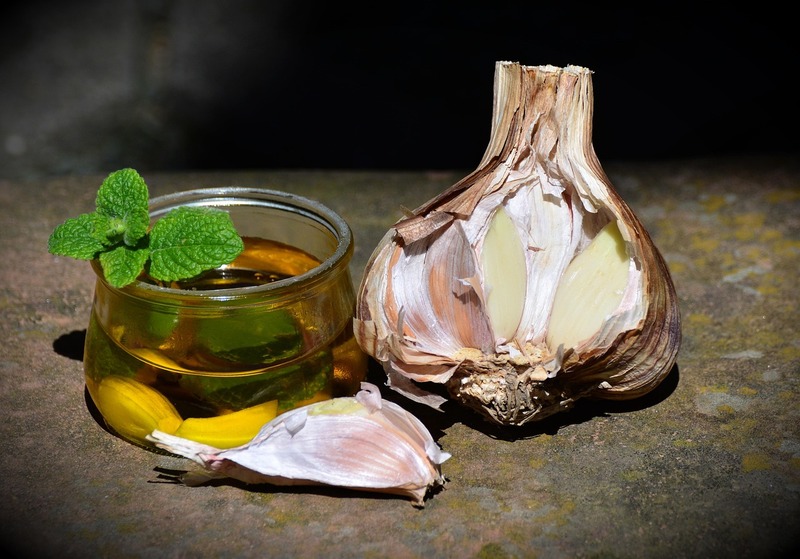
2. Baking & Cooking Essentials You Can Also Buy With EBT
Cooking oil is often purchased alongside pantry staples needed for baking, frying, and food prep. Many SNAP shoppers wonder: Does EBT cover baking items? Thankfully, many items in this category are eligible.
Here are examples of baking and cooking essentials you CAN buy with your EBT card:
2.1. Baking & Cooking Items Eligible With EBT
- Flour (all-purpose, whole wheat, almond, gluten-free)
- Sugar (white, brown, powdered)
- Cornmeal, breadcrumbs, panko
- Baking soda & baking powder
- Yeast and cake mixes
- Cooking sprays
- Shortening & lard
- Butter, margarine, ghee
- Spices & herbs
- Ready-made frosting, chocolate chips, sprinkles
This also answers another keyword question: “Can I buy seasonings with my EBT card?” Yes, salt, pepper, garlic powder, paprika, cinnamon, and nearly all dried spices are eligible because they are used to prepare food.
2.2. Items in the Same Aisle That Are NOT EBT-Eligible
Though they’re located near food items, these are off-limits with SNAP:
- Aluminum foil
- Parchment paper
- Charcoal
- Cleaning supplies
- Dish soap
- Storage bags & containers
3. Common Mistakes SNAP Users Make With Cooking Items
Even experienced SNAP users sometimes get confused around pantry staples because grocery stores mix food and non-food cooking products on the same shelves. Here are common mistakes to avoid:
- Choosing Non-Food Oils by Accident: Essential oils, diffusers, and oils labeled for “topical use” look similar to kitchen oils at times. Always check that the bottle clearly states it’s for cooking.
- Assuming Cooking Sprays Are Not Covered: Many shoppers avoid them, but cooking sprays are food products and are EBT-eligible.
- Trying to Buy Kitchen Tools With EBT: Mixing bowls, baking trays, pots, pans, thermometers, and utensils are never eligible because they are considered household items.
- Confusing Specialty Food Items With Supplements: Some food oils or powdered mixes might include nutrient claims like “boost your metabolism.” If it has a Supplement Facts label instead of Nutrition Facts, it is not EBT-eligible.
- Thinking Pricey Foods Are Restricted: SNAP doesn’t limit you to lower-cost oils. Buying high-quality cooking oils is allowed if it fits your grocery budget.
4. How SNAP Shoppers Can Stretch Their Budget Further
Cooking oil prices have gone up in recent years, and households that cook often may go through a bottle each week. Here are practical tips to help shoppers make the most of their SNAP benefits:
4.1 Buy Cooking Oils in Bulk
Buying a larger jug usually saves money per ounce. Many warehouse stores or grocery chains offer:
- 1-gallon jugs of canola or vegetable oil
- Multi-packs of olive oil
- Bulk baking supplies like flour, sugar, and shortening
Just make sure your household has space to store bulk items.
4.2 Compare Prices Across Brands
Store brands often cost 20–30% less and have the same cooking performance.
4.3 Watch for Sales Near Holidays
Cooking oil sees price drops around: Thanksgiving, christmas, super Bowl weekend, summer grilling season, stock up when prices drop.
4.4 Use Cashback Apps for Additional Savings
Although SNAP funds themselves don’t generate cash back, you can receive store credits or coupons on: Ibotta, Fetch, Shopmium, and Store loyalty cards. These can reduce the cost of your next shopping trip.
4.5 Combine SNAP With Lifeline
Saving on groceries is easier when you’re also saving on utilities. Lifeline programs like AirTalk Wireless allow qualifying low-income households to get: Free monthly talk & text, free data, deeply discounted or free smartphones. And the good news is that SNAP recipients automatically qualify for this program.


Reducing your phone bill frees up more of your budget for cooking oil, produce, and other pantry essentials. For SNAP recipients, this is one of the smartest ways to create more financial breathing room.


IMPORTANT: The government does not subsidize devices. Lifeline programs cover basic service costs only. Free or discounted devices, upgrade plans, or top-ups are exclusive benefits provided by AirTalk Wireless as part of our promotional offers. Terms and conditions apply. Limited-time promotion—offers vary by state, stock availability, and eligibility.
>>> Read more: Does Lowes Take EBT? Here’s What You Should Know
5. FAQs About Cooking Oil and EBT
5.1. Can you purchase cooking oil with food stamps?
Yes. Cooking oil is a staple food ingredient and is fully SNAP-eligible.
5.2. Can you buy cooking oil with EBT?
Yes, all major cooking oil varieties, including vegetable, canola, olive, and coconut oil, can be purchased with EBT.
5.3. Can I buy seasonings with my EBT card?
Yes. Spices, herbs, rubs, salts, and most seasoning blends are eligible as long as they contain Nutrition Facts labels.
5.4. Does EBT cover baking items?
Yes. Flour, sugar, baking soda, yeast, chocolate chips, and most baking ingredients are covered.
5.5. Are cooking sprays eligible?
Yes, because cooking spray is classified as a food product.
Final Thoughts
Cooking oil is an essential part of nearly every meal, and thankfully, SNAP shoppers don’t need to worry, it is fully EBT-eligible. From inexpensive vegetable oil to premium olive oil, SNAP rules allow you to choose what fits your cooking style and household needs. In addition to oils, a wide range of baking and seasoning items are also covered, making meal prep more affordable and flexible.
Understanding what you can and cannot buy helps you avoid checkout issues and budget more effectively. And when you combine smart shopping habits like buying in bulk and catching seasonal sales with Lifeline benefits from programs like AirTalk Wireless, your monthly budget can stretch even further.So the next time someone asks, “Can you buy cooking oil with EBT?”, you’ll know the answer goes beyond a simple “yes.” It’s part of a larger strategy to cook well, shop smarter, and get the most value from every benefit you receive.