


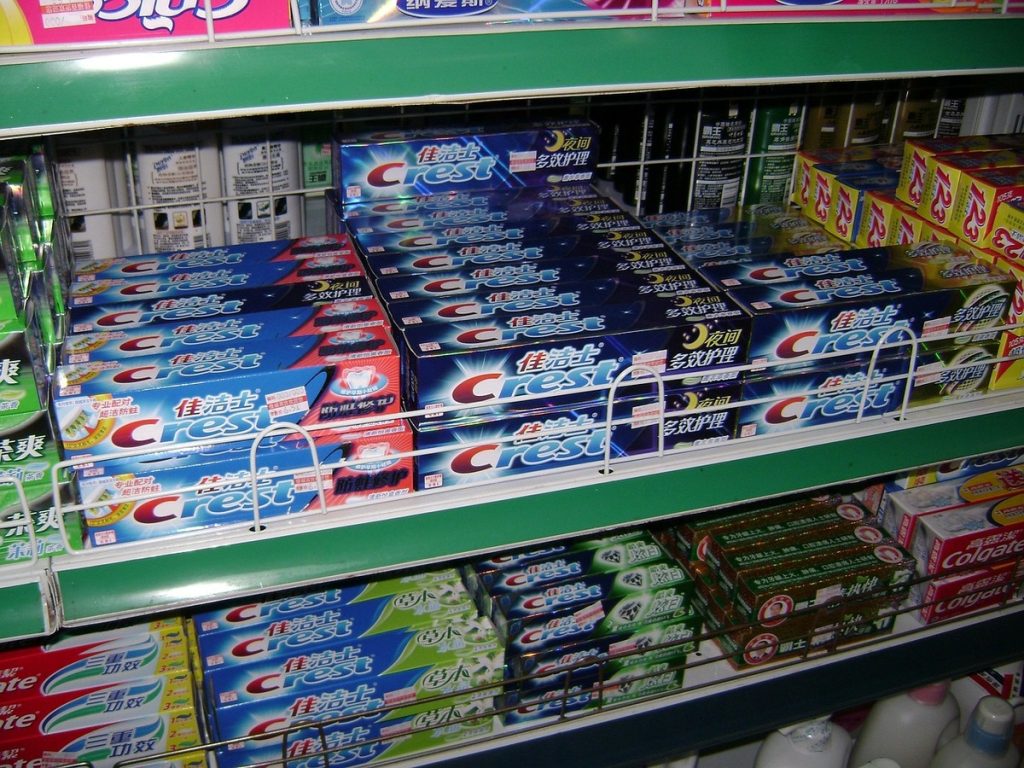
If you’ve ever stood in a store wondering, “Can you buy toothpaste with EBT?”, you’re definitely not alone.
SNAP recipients frequently ask this question because toothpaste is an essential household item, yet it doesn’t fall neatly into the “food” category that EBT is designed for. As living costs continue to rise, families want to know exactly what can you buy with EBT and how to budget around the items that SNAP simply doesn’t cover.
This guide breaks down what the rules say, why toothpaste is excluded, and how households can stretch their resources by combining SNAP with other support programs.
1. Can You Buy Toothpaste With EBT?
The short answer is no. Toothpaste is not eligible for purchase with SNAP benefits.
Whether you’re asking:
- Can I buy toothpaste with an EBT card?
- Can you use food stamps on toothpaste?
- Can you buy a toothbrush with SNAP?
- Can you use EBT to buy toiletries?
According to USDA SNAP regulations, EBT cards can only be used to buy food items intended for human consumption. Anything classified as non-food, including personal care products, hygiene items, and household supplies, is automatically rejected at checkout.
This means you cannot use EBT to purchase:
- Toothpaste
- Toothbrushes
- Mouthwash
- Dental floss
- Deodorant
- Soap
- Shampoo
- Cleaning supplies
- Cosmetics
- OTC medication or first-aid products

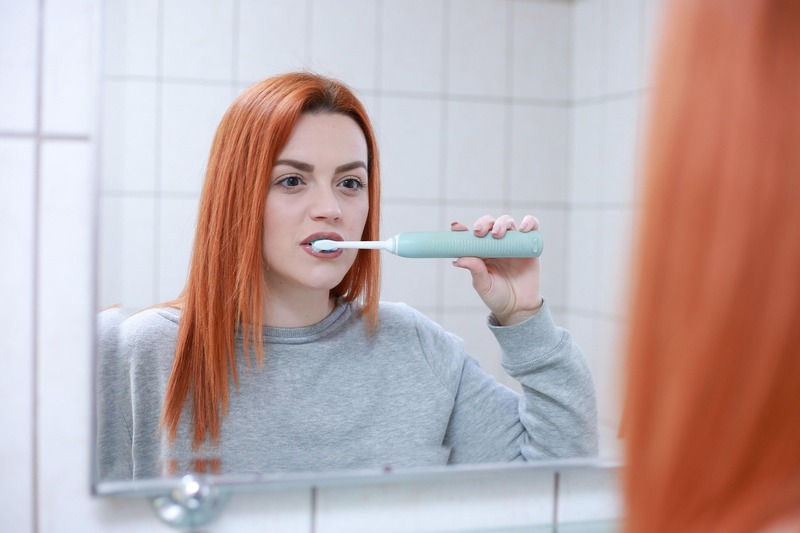
Even though dental care is essential for health, these products fall under general household expenses, not food. And because EBT systems categorize each barcode, non-food items are instantly blocked.
For many SNAP users, this is frustrating because toothpaste isn’t optional; it’s a daily necessity. That’s why understanding the rules and learning alternative budgeting strategies becomes very important.
2. Why SNAP Excludes Toiletries Like Toothpaste
To understand why toothpaste isn’t EBT-eligible, it’s helpful to look at the purpose behind SNAP benefits. SNAP was created to ensure low-income households have access to nutritious food, not to serve as a comprehensive welfare program for all household needs.
Toiletries, including toothpaste, are excluded because:
- They’re not considered food items: SNAP’s federal definition of “food” is limited. Even essential non-food items don’t qualify.
- Congress intended SNAP to complement, not replace, other assistance: Other state or federal programs may cover hygiene, housing, medical needs, or emergency support. SNAP fills the food-access gap only.
- Non-food items vary widely in price and category: Allowing all household goods (cleaners, paper products, toothpaste, personal hygiene) would expand the program far beyond its original mission and budget.
So even though a family may urgently need toothpaste, the EBT system cannot treat it as an eligible purchase. This leads many households to focus on budget shifting, using SNAP to cover more food and reserving limited cash for toiletries.
3. What SNAP Households Can Buy Instead
While SNAP won’t pay for toothpaste, you can use the program strategically to free up cash for non-EBT essentials. The key is understanding what can you buy with EBT and making selections that stretch your food budget as far as possible.
Here are the categories that help households save the most:
3.1 Meal Staples That Reduce Weekly Spending
Choosing lower-cost staples allows families to reallocate cash toward toothpaste, toiletries, and other uncovered items.
Some of the best SNAP-eligible staples include:
- Rice, pasta, and noodles
- Beans (canned or dry)
- Oats, cereal, and whole grains
- Peanut butter
- Eggs
- Bread and tortillas
- Canned vegetables and fruits
- Canned tuna and chicken
These items provide high meal volume for a low price, letting families keep more money available for household essentials.
3.2 High Value-Per-Cost Items
Certain food items provide exceptional savings when purchased with SNAP, especially when bought in bulk or during store promotions.
Top value-per-cost categories:
- Frozen fruits and vegetables
- Bulk grains like quinoa or brown rice
- Large packs of chicken or turkey
- Store-brand pantry staples
- Shelf-stable items like lentils, pasta sauces, and broths
Frozen produce, in particular, often costs dramatically less than fresh while lasting much longer, reducing food waste and freeing up extra funds.
3.3 SNAP Budgeting Shift: A Practical Strategy
Many SNAP families use a simple budgeting method:
Use SNAP for 90-100% of your food purchases → reserve cash for toiletries like toothpaste.
Because toothpaste, dental floss, and other hygiene items are relatively inexpensive but unavoidable, shifting your grocery spending toward EBT-eligible foods can create real breathing room in your budget.
SNAP can cover:
- Breakfast items
- School lunches
- Dinner ingredients
- Snacks
- Nutritional beverages
- Baking items
- Holiday meals
The more you cover with SNAP, the more flexible your wallet becomes.
4. Hidden Savings: Combining SNAP With Lifeline
One of the smartest ways for SNAP households to stretch their budget even beyond food is by pairing SNAP with the Lifeline Program, especially through providers like AirTalk Wireless.
This approach doesn’t make toothpaste EBT-eligible, but it does create financial room for non-food essentials. Here’s how the double-benefit system works:
4.1 SNAP Reduces Food Costs
By lowering the amount a household spends on groceries, SNAP frees up cash for:
- Toothpaste
- Toothbrushes
- Hygiene items
- Cleaning supplies
- OTC medicine
- Other essentials not covered by EBT
Every dollar you save on food increases what you can spend on daily necessities.
4.2 Lifeline Reduces Phone and Internet Costs
Through AirTalk Wireless, eligible low-income households may receive:
- A free smartphone
- Free monthly talk & text
- Free monthly data
- Optional low-cost upgrades
- Access to online job applications, telehealth, and school platforms
With phone and internet costs reduced or eliminated, you can redirect even more of your budget toward non-EBT items like toothpaste.

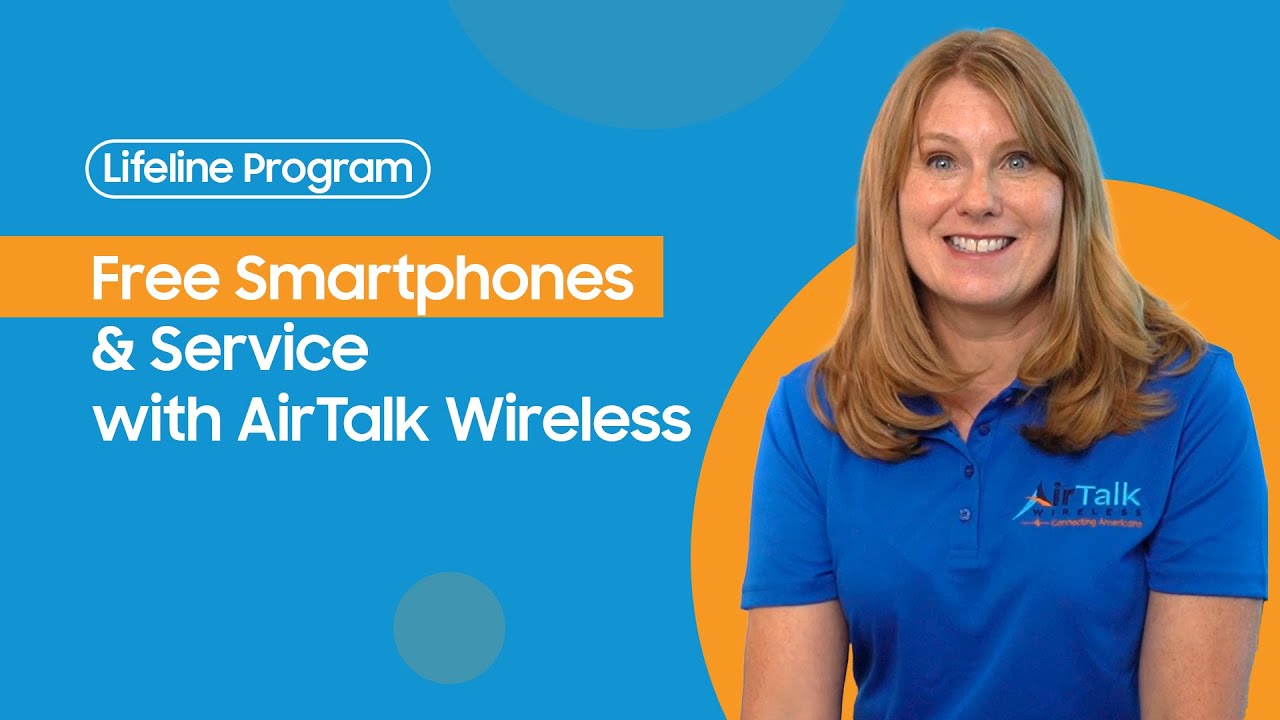
4.3 The Power of Combined Savings
SNAP savings + Lifeline savings = Extra budget for toiletries
This combination helps households cover the full spectrum of essential living expenses, including those that SNAP excludes. It’s one of the most effective financial strategies for low-income families trying to meet rising living costs.

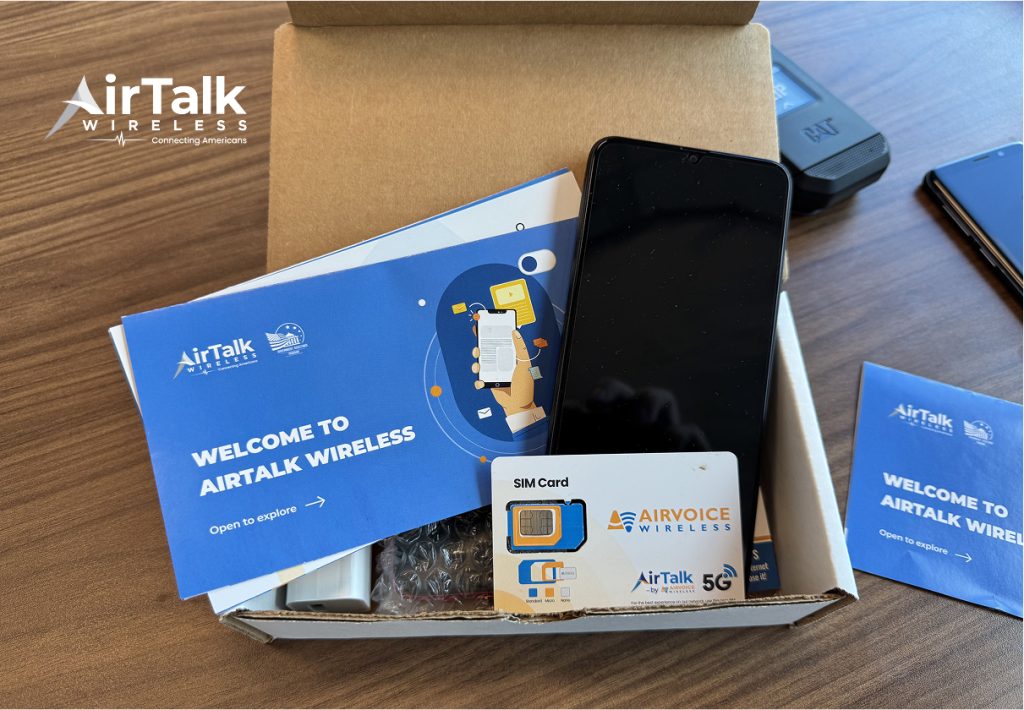
IMPORTANT: The government does not subsidize devices. Lifeline programs cover basic service costs only. Free or discounted devices, upgrade plans, or top-ups are exclusive benefits provided by AirTalk Wireless as part of our promotional offers. Terms and conditions apply. Limited-time promotion—offers vary by state, stock availability, and eligibility.
>>> Read more: Does Daiso Take EBT? What You Need to Know Before Shopping
Final Thoughts
So, can you buy toothpaste with EBT? Unfortunately, no. SNAP strictly limits purchases to food items, meaning toothpaste, toothbrushes, and other toiletries are not eligible. Questions such as “Can you use food stamps on toothpaste?”, “Can I buy toothpaste with an EBT card?” or “Can you buy a toothbrush with SNAP?” all lead to the same answer.
However, SNAP households have several options to work around these restrictions. By focusing on cost-efficient, SNAP-eligible foods and shifting more grocery spending to EBT, families can reserve more cash for essential toiletries. And by combining SNAP with the Lifeline program through providers like AirTalk Wireless, households can dramatically reduce monthly expenses creating even more room in the budget for non-food necessities.
Toothpaste may not be EBT-eligible, but with smart planning and the right combination of support programs, families can manage their needs more comfortably and confidently.