



Missed medical appointments are a growing concern for clinics and healthcare providers, especially in high-volume practices that serve Medicaid patients. When a patient does not show up, providers may lose valuable time that could have been offered to someone else.
This often raises an important question: can you charge a Medicaid patient a no show fee? Understanding how these rules work is essential for both providers considering appointment policies and patients who want to know their rights.
1. Can You Charge a Medicaid Patient a No Show Fee?
Whether you can charge a Medicaid patient a no-show fee depends largely on state policy, but there are important federal limitations that apply nationwide.
In general, Medicaid providers cannot bill beneficiaries for covered services beyond permitted cost-sharing amounts. A no-show fee is not considered a covered medical service. Because of this, federal Medicaid law does not automatically allow providers to charge Medicaid patients for missed appointments.


However, some states allow no-show fees under very specific conditions. For example, the fee may be permitted only if:
- The same fee is charged to non-Medicaid patients
- The policy is clearly disclosed in advance
- The fee is not claimed as a Medicaid-covered service
- The patient was properly informed of cancellation rules
Other states prohibit no-show fees entirely for Medicaid beneficiaries.
As a result, the answer to “can you charge a Medicaid patient a no show fee” depends heavily on your state’s Medicaid policy and how the provider structures the charge.
2. What Federal Medicaid Rules Say About No Show Fees
Federal Medicaid rules focus on beneficiary protections. Providers are generally prohibited from charging Medicaid patients additional fees for covered services beyond authorized copayments.
Because a missed appointment does not involve a delivered medical service, federal Medicaid guidance does not treat no-show fees as reimbursable expenses. Providers cannot bill Medicaid itself for a missed appointment, and they cannot classify the fee as a covered service.
The Centers for Medicare and Medicaid Services has emphasized that states must ensure beneficiaries are not subject to improper billing practices. This includes protections against balance billing and unauthorized cost-sharing.
However, federal law does not create a single nationwide policy banning or allowing no show fees. Instead, it gives states flexibility to determine whether such charges are permissible under state Medicaid rules, as long as federal beneficiary protection standards are upheld.
3. How State Medicaid Policies Differ on No-Show Charges
Although federal Medicaid law sets broad billing protections, states have flexibility in how they regulate no show fees. That means the answer to can you charge a Medicaid patient a no show fee may differ depending on where the service is provided.
Some states take a strict approach and prohibit no-show fees entirely for Medicaid beneficiaries. Others allow them, but only under tightly controlled conditions. Providers must follow their state Medicaid manual and any guidance issued by the state agency.
Because policies can change, providers should review official state Medicaid regulations rather than relying on general assumptions.
States That Prohibit No-Show Fees for Medicaid Patients
In certain states, Medicaid programs explicitly prohibit providers from charging no show fees to beneficiaries. These states interpret beneficiary protection rules strictly and do not allow additional charges beyond authorized copayments.
Under these policies:
- Providers cannot bill Medicaid for missed appointments
- Providers cannot bill the Medicaid patient directly for a no show
- Missed appointment losses must be absorbed by the practice
The goal in these states is to protect low-income patients from additional financial penalties that could discourage access to care.
States That Allow Fees Under Specific Conditions
Other states allow no-show fees, but only if strict requirements are met. Common conditions may include:
- The same no-show fee applies to all patients, not just Medicaid beneficiaries
- The policy is clearly posted and disclosed in writing
- The provider does not submit the fee to Medicaid as a covered service
- The charge complies with any state-imposed limits
Even in states where allowed, providers must be careful not to violate federal balance billing protections or managed care contract terms. Failing to follow proper disclosure rules can result in compliance issues.
Because of this variation, reviewing state-specific Medicaid billing guidance is essential before implementing a no-show policy.
>>> Also read: Medicaid Discounts: What Discounts Can You Get Being on Medicaid?
4. What Medicaid Patients Should Do If They Are Charged a No-Show Fee
If you are a Medicaid patient and receive a bill for a missed appointment, do not ignore it.
First, ask the provider’s office to explain the policy in writing. Confirm whether your state Medicaid program allows no-show fees and whether the clinic applies the same fee to all patients.
Next, review your state Medicaid handbook or contact your Medicaid managed care plan. They can clarify whether the charge complies with state rules.
If you believe the fee violates Medicaid policy, you may:
- Contact your state Medicaid agency
- File a grievance through your managed care plan
- Request written clarification of the billing authority
Understanding your rights under your state’s Medicaid program can help you determine whether the no show fee is permitted or improperly charged.
5. Why Appointment Communication Matters in Medicaid Care
Missed appointments are often not about neglect but about communication barriers. Medicaid patients may face unstable housing, work schedule changes, transportation issues, or difficulty receiving reminders. When clinics cannot reach patients in time, appointments are missed, and confusion around no show fees increases.
Clear communication benefits both providers and patients. Reminder calls, text alerts, and easy cancellation options reduce missed visits and help maintain continuity of care. For Medicaid beneficiaries managing chronic conditions, prenatal care, or behavioral health services, timely communication can prevent treatment interruptions and unnecessary billing disputes.
How Medicaid Enrollment Can Also Qualify for Lifeline Support
Medicaid participation is one of the eligibility pathways for the Lifeline program. Lifeline provides a monthly discount on phone or internet service for qualifying low-income households.
Through approved providers such as AirTalk Wireless, eligible individuals may receive a free phone along with monthly talk, text, and data, depending on availability in their state. Access to reliable communication tools makes it easier to receive appointment reminders, respond to rescheduling calls, and stay connected with healthcare providers.


Reducing Missed Appointments Through Reliable Phone Access
Consistent phone access can significantly reduce missed appointments. Patients who receive reminders are more likely to attend visits or cancel in advance. This protects patients from potential no show charges where permitted and helps clinics manage scheduling more effectively.
While phone access does not change Medicaid billing rules, it can reduce preventable misunderstandings and improve overall care coordination.

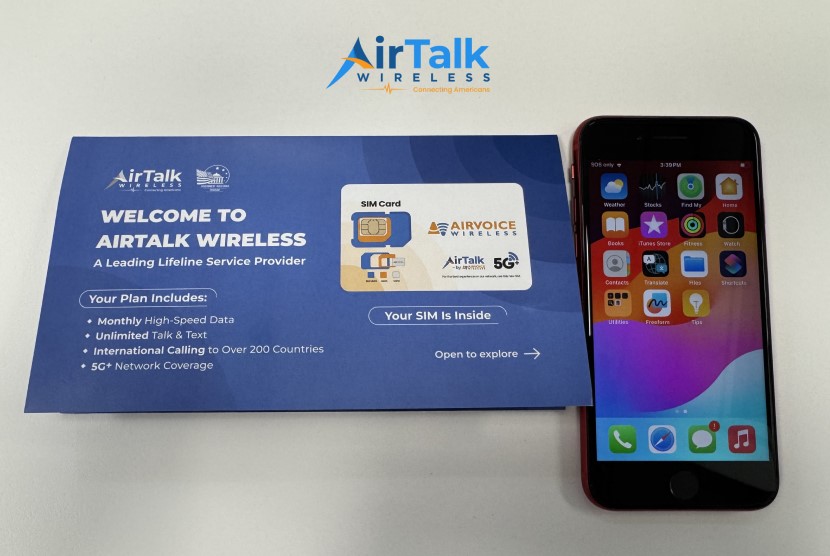
IMPORTANT: The government does not subsidize devices. Lifeline programs cover basic service costs only. Free or discounted devices, upgrade plans, or top-ups are exclusive benefits provided by AirTalk Wireless as part of our promotional offers. Terms and conditions apply. Limited-time promotion—offers vary by state, stock availability, and eligibility.
Conclusion
Whether you can charge a Medicaid patient a no show fee depends largely on state Medicaid policy and how federal beneficiary protections are applied. Some states prohibit such fees entirely, while others allow them under strict conditions. Both providers and patients should review state-specific rules before assuming a charge is permitted. Clear communication, proper disclosure, and an understanding of Medicaid billing protections can help prevent disputes and protect access to care.