



Searching for doctors that accept Medicaid near me is a common step for patients who rely on Medicaid for affordable healthcare, but not every doctor is required to accept this coverage. Medicaid rules, provider participation, and covered services vary by state, which can make finding care confusing and time-consuming.
This guide explains whether you can see any doctor with Medicaid, what medical services are not covered, how to find participating providers near you, and why many Medicaid users also qualify for additional federal assistance that supports access to care.
1. Can You Go to Any Doctor If You Have Medicaid?


No. You cannot go to any doctor if you have Medicaid.
Medicaid is a state-administered program, and only doctors who are enrolled with your state’s Medicaid program or contracted with your Medicaid managed care plan can bill Medicaid for services. Even within the same city, some doctors accept Medicaid while others do not, and participation can change over time.
In many states, Medicaid patients must also:
- Choose or be assigned a primary care provider (PCP)
- Stay within a provider network
- Obtain referrals before seeing specialists
Because of these rules, it is important to confirm acceptance before scheduling care when searching for doctors that accept Medicaid near me.
2. What Medical Services Are Not Covered With Medicaid?
Medicaid provides broad medical coverage, but it does not cover every service in every state. Non-covered or limited services vary by state, but commonly include:
- Cosmetic procedures that are not medically necessary
- Elective surgeries without medical justification
- Experimental or investigational treatments
- Adult dental care in states that only offer emergency dental benefits
- Vision services for adults, such as routine eye exams or glasses, in some states
- Chiropractic care, acupuncture, or alternative therapies in certain states
- Long-term custodial care not classified as medical or skilled nursing
Some services may be partially covered or require prior authorization, and coverage rules can change annually based on state policy updates.
Because Medicaid benefits differ by state, the most accurate way to confirm what is not covered with Medicaid is to check your state Medicaid agency website or contact your Medicaid health plan directly before receiving care.
3. How to Find Doctors That Accept Medicaid Near Me
To find doctors that accept Medicaid near me, it’s best to rely on official sources rather than general search results. Provider participation changes often, and Medicaid rules differ by state, so using the right tools helps you avoid outdated or incorrect listings.
Start with your state Medicaid agency
Medicaid is administered at the state level, and each state maintains its own directory of doctors and medical professionals who accept Medicaid.
These directories are managed by state Medicaid agencies or Medicaid managed care plans and are the most accurate source for current provider information. You can access them through your state’s official Medicaid website or by contacting your Medicaid health plan directly.
Use federal healthcare resources for guidance
For broader context and support, Healthcare.gov provides information about Medicaid and CHIP programs and directs users to state-specific resources. While it does not list every doctor, it helps you identify where to find official provider directories for your state.
Call your Medicaid health plan for confirmation
If you are enrolled in a Medicaid managed care plan, your plan’s member services team can help you:
- Confirm whether a doctor is in-network
- Check if the provider is accepting new Medicaid patients
- Explain referral requirements for specialists
This step is especially important because some doctors may accept Medicaid but only for certain plans or patient groups.
Verify directly with the doctor’s office
Even if a doctor appears in a directory, participation can change. Calling the office and asking whether they currently accept your specific Medicaid plan is the fastest way to avoid denied appointments or billing issues.
Using state Medicaid directories, your health plan’s support line, and direct confirmation together gives you the most reliable way to find doctors that accept Medicaid near you.
4. Why Medicaid Users Often Qualify for Additional Assistance Programs
Medicaid eligibility is income-based, which means many enrollees also qualify for other federal assistance programs like Lifeline, designed to reduce essential household costs. These programs do not replace medical coverage, but they support access to care by lowering expenses related to communication, transportation coordination, and follow-up services.
Because ongoing care depends on reminders, referrals, and portal access, these additional programs can make it easier to stay engaged with treatment plans.
>>> Read more: Does Medicaid Cover Hospice? Full Coverage Guide
5. How Lifeline Helps Medicaid Users Stay Connected to Healthcare
The Lifeline program is a federal assistance program that helps eligible households lower the cost of phone or internet service. While Lifeline does not provide medical coverage, it plays an important supporting role for Medicaid users by ensuring they can stay connected to healthcare systems.
For people using Medicaid, Lifeline-supported connectivity helps with:
- Scheduling medical and dental appointments
- Receiving appointment reminders and follow-up instructions
- Participating in telehealth visits when available
- Coordinating pharmacy refills and prescription updates
- Accessing state Medicaid portals and provider directories
These services are especially important for patients managing ongoing conditions, specialist referrals, or multiple appointments. Without consistent phone or internet access, missed calls or messages can lead to delayed care or missed coverage opportunities.
When promotions are active, eligible users may also see device offers, such as a free phone with Medicaid during enrollment. Device availability varies by state and timing, and devices are offered by providers rather than subsidized by the government.
6. How to Apply for Lifeline Phone Service Through AirTalk Wireless

AirTalk Wireless is an approved Lifeline provider that helps eligible Medicaid users access discounted mobile service.
Application steps:
- Visit the AirTalk Wireless website and start the Lifeline application.
- Select your state to confirm coverage and available plans.
- Choose a Lifeline-supported plan.
- Confirm eligibility using your Medicaid enrollment.
- Upload verification documents if requested.
- Submit your application and wait for approval.
Once approved, service can be activated quickly, helping Medicaid users stay connected to healthcare providers, pharmacies, and support services.

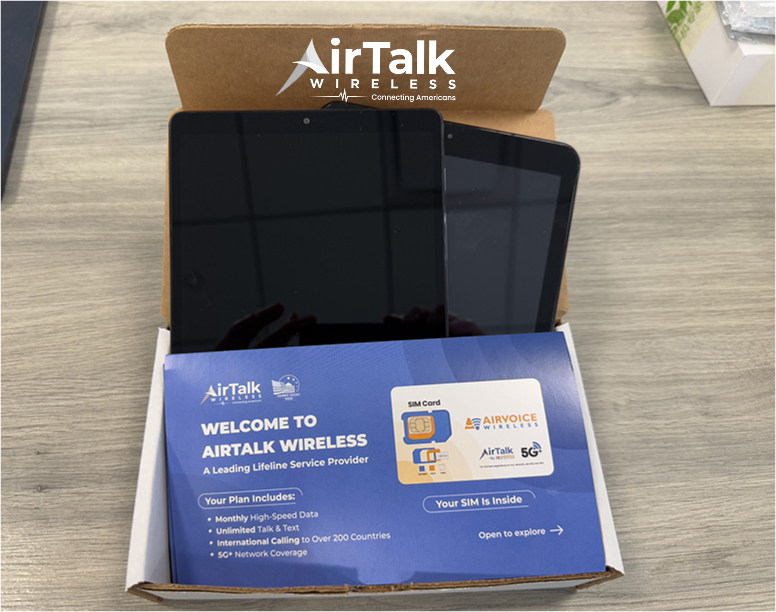
IMPORTANT: The government does not subsidize devices. Lifeline programs cover basic service costs only. Free or discounted devices, upgrade plans, or top-ups are exclusive benefits provided by AirTalk Wireless as part of our promotional offers. Terms and conditions apply. Limited-time promotion—offers vary by state, stock availability, and eligibility.
Conclusion
Finding doctors that accept Medicaid near me requires understanding how Medicaid works, which providers participate, and how coverage rules vary by state. Not every doctor accepts Medicaid, and participation can change, so using official state directories, contacting your Medicaid health plan, and confirming directly with medical offices are essential steps. Beyond medical coverage, Medicaid users may also qualify for additional assistance programs like Lifeline, which help support communication and ongoing access to healthcare services.
FAQs
Why do doctors choose not to accept Medicaid?
Some doctors choose not to accept Medicaid due to lower reimbursement rates, administrative requirements, and delayed payments compared to private insurance. These factors can limit how many Medicaid patients a practice is able to serve.
Can I see a specialist with Medicaid?
Yes, Medicaid covers specialist care, but you may need a referral from your primary care provider, and the specialist must be enrolled in your state’s Medicaid program or your managed care network.
What should I do if no doctors near me accept Medicaid?
If local options are limited, contact your state Medicaid agency or health plan for assistance. They can help locate providers, arrange transportation services if available, or explain options at community health centers and clinics that accept Medicaid.