


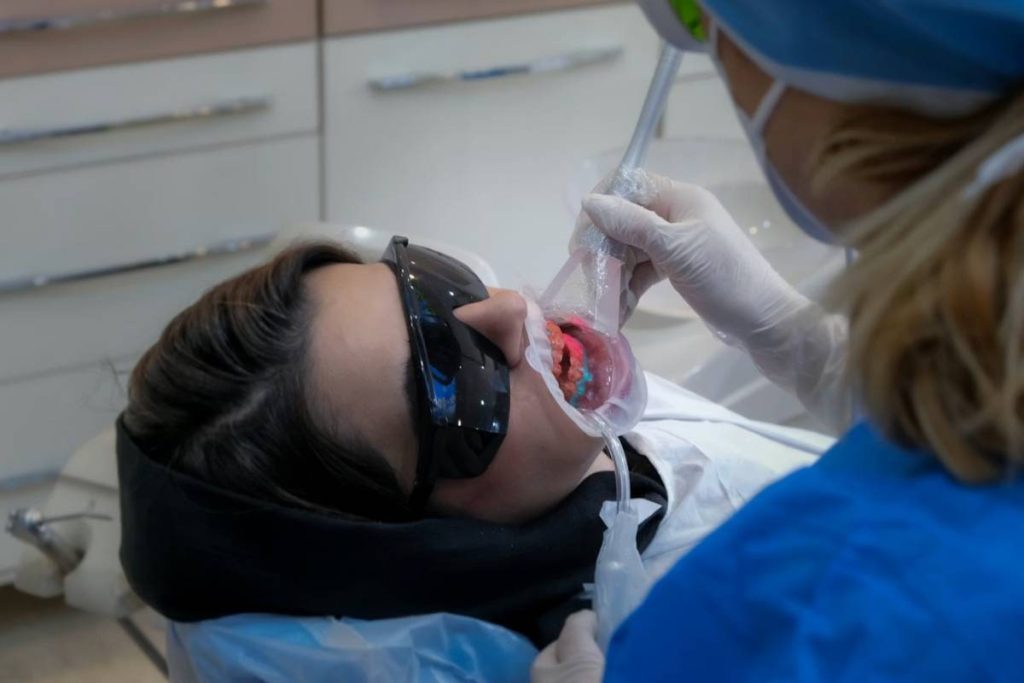
Many families ask does Medicaid cover braces when orthodontic care becomes medically necessary but unaffordable out of pocket. The answer is not always simple. Medicaid can cover braces in certain situations, but eligibility rules, age limits, and medical-necessity requirements vary by state.
This guide explains how Medicaid braces coverage actually works in 2026, who may qualify for free braces, and what alternatives exist when coverage is limited, so you can make informed decisions without unexpected costs.
1. Does Medicaid Cover Braces? Here’s the Short Answer


Yes, Medicaid can cover braces, but only in specific situations. In most states, orthodontic treatment is approved only when braces are medically necessary, not for cosmetic reasons.
Coverage is far more common for children and teens than for adults, and approval depends on state rules, age limits, and clinical evaluation. If braces are requested solely to improve appearance, Medicaid typically does not pay for them.
2. How Medicaid Braces Coverage Actually Works
To understand does Medicaid cover braces in real situations, it’s important to know how approval works behind the scenes. Medicaid orthodontic benefits are managed at the state level, which means coverage rules vary.
- Medical necessity review: Braces must be required to correct a functional problem, such as severe bite issues, jaw misalignment, or conditions that affect eating, speech, or oral health.
- Orthodontic assessment: A Medicaid-approved dentist or orthodontist evaluates the condition using clinical measurements and X-rays.
- Prior authorization: The provider submits documentation to Medicaid for approval before treatment begins.
- Age restrictions: Coverage is usually limited to patients under 21, as part of Medicaid’s pediatric dental requirements. Adult coverage, when available, is rare and highly restricted.
Because each state sets its own standards, two patients with similar conditions may receive different outcomes depending on where they live.
>>> Read more: Does Medicaid Cover IVF? 6 Basics You Should Know in 2026
3. Who Qualifies for Braces Under Medicaid
Wondering how do you qualify for free braces?
To qualify for free braces under Medicaid, all of the following usually apply:
- Active Medicaid enrollment: The patient must already be enrolled in Medicaid.
- Medical necessity: An orthodontist must confirm that braces are required to correct a serious dental or skeletal issue, not for appearance.
- Age eligibility: Most approvals apply to children and adolescents. Adult cases are uncommon.
- State approval: Medicaid must approve the treatment through a prior authorization process.
Common conditions that may qualify include severe overbites or underbites, crossbites causing damage, cleft-related issues, or jaw abnormalities that interfere with daily function. Even when these criteria are met, approval is never automatic, which is why documentation and provider experience with Medicaid are critical.
4. How to Get Free Braces With Medicaid (When It’s Possible)
Many families search for how to get free braces with Medicaid when orthodontic treatment is needed, but the cost is out of reach. In reality, Medicaid can cover braces only in limited cases, and the approval process is strict.
To understand, you typically need to follow these steps:
- Visit a Medicaid-approved dentist or orthodontist: Only providers who accept Medicaid can evaluate and submit braces cases for approval.
- Confirm medical necessity: Medicaid does not cover braces for cosmetic reasons. Your orthodontist must show that braces are required to correct functional problems such as severe bite issues, jaw misalignment, speech difficulties, or risk of long-term dental damage.
- Submit prior authorization to Medicaid: The provider sends X-rays, dental measurements, and clinical justification to Medicaid. This review process determines whether the braces qualify for coverage.
- Wait for official approval before starting treatment: Starting braces before approval usually means Medicaid will not pay, even if the case is later deemed necessary.
- Maintain compliance during treatment: For approved cases, patients must attend follow-up appointments and follow care instructions. Non-compliance can lead to loss of coverage.
Even when families understand how to get free braces with Medicaid, approval is never guaranteed. Rules vary by state, and many requests are denied if the condition does not meet strict medical thresholds.
5. Why Communication Access Matters When Using Medicaid Dental Benefits
When families ask does Medicaid cover braces, they often underestimate how important communication is during the approval and treatment process. Missed calls, letters, or online updates can delay or cancel coverage.
Reliable communication helps with:
- Scheduling orthodontic evaluations and follow-up visits
- Receiving approval or denial notices from Medicaid
- Coordinating referrals and prior authorization paperwork
- Managing appointment reminders and treatment updates
- Accessing online Medicaid portals and provider directories
For families managing complex dental cases, consistent phone and internet access plays a key role in staying on track with care. Without it, important deadlines and updates can be missed, which may affect eligibility or continuity of treatment.
6. Free Phone With Medicaid – How Lifeline Can Help
For families using Medicaid, staying connected is often just as important as getting coverage itself. The Lifeline program helps eligible households lower the cost of phone service, which can make a real difference when managing medical and dental care. Through Lifeline, many Medicaid recipients can qualify for a free phone with Medicaid or discounted mobile service, helping them stay in touch with healthcare providers, orthodontists, and state agencies throughout the treatment process.
How Lifeline Can Help & Who Qualifies
Lifeline is a federal assistance program that provides a monthly discount on phone or internet service for low-income households. If you already have Medicaid, you typically qualify automatically for Lifeline without needing to prove income separately.
Key points to know:
- Medicaid enrollment counts as program-based eligibility for Lifeline
- Lifeline covers service discounts; devices are offered by participating providers
- During active promotions, eligible users may receive a free phone with Medicaid
- Benefits are limited to one per household, and availability varies by state
This support helps ensure families can stay reachable while coordinating healthcare and dental benefits.
How to Apply for Lifeline Phone Service Through AirTalk Wireless


AirTalk Wireless is an approved Lifeline provider that assists Medicaid users with discounted mobile service and device options when available. If you qualify, here’s how the application process typically works:
- Visit the AirTalk Wireless website and start the Lifeline application
- Select your state to confirm coverage and available plans
- Choose a Lifeline-supported plan and a free/disconted device
- Verify eligibility using your Medicaid participation
- Upload additional documents if requested
- Submit your application and wait for approval
Once approved, service is activated, and any eligible device will be shipped directly, depending on current availability.


IMPORTANT: The government does not subsidize devices. Lifeline programs cover basic service costs only. Free or discounted devices, upgrade plans, or top-ups are exclusive benefits provided by AirTalk Wireless as part of our promotional offers. Terms and conditions apply. Limited-time promotion—offers vary by state, stock availability, and eligibility.
Conclusion
So, does Medicaid cover braces in 2026? The answer is yes, but only in specific, medically necessary cases and primarily for children and teens. Coverage depends on state rules, age limits, and proper approval from a Medicaid-accepted orthodontist. For families who qualify, understanding how the process works can make the difference between approval and denial.
FAQs
What if I need braces but can’t afford them?
If braces are medically necessary, Medicaid may cover them for children and teens, depending on your state. If coverage is denied, ask about payment plans, dental school clinics, or nonprofit assistance programs that offer reduced-cost orthodontic care.
How do you qualify for free braces?
Free braces under Medicaid usually require active Medicaid enrollment, proof of medical necessity from an orthodontist, prior authorization approval, and meeting age and state-specific requirements. Cosmetic orthodontics are typically not covered.