


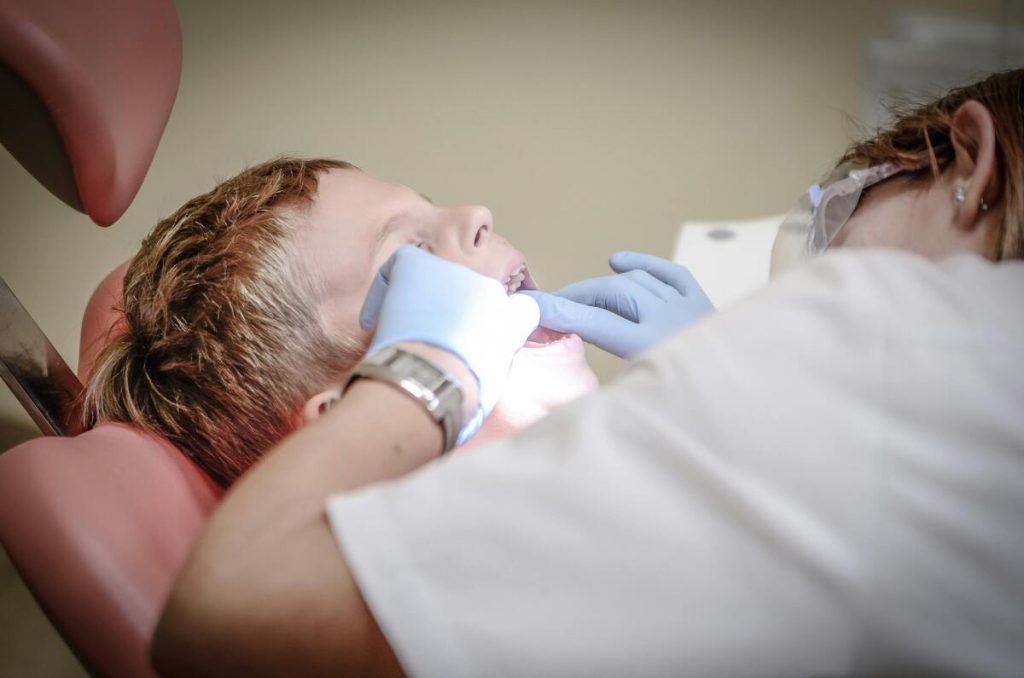
Dental implants are often considered the gold standard for tooth replacement, but they also come with a high price tag. This leads many people to ask a very common and important question: does Medicaid cover dental implants? The answer is not always straightforward, because Medicaid coverage varies widely depending on where you live and why the treatment is needed.
This guide breaks down what you need to know, what affects coverage, and what alternatives exist if implants are not fully covered.
1. Dental Implants and Their Costs
Dental implants are artificial tooth roots, usually made of titanium, that are surgically placed into the jawbone. Once healed, a crown is attached to restore function and appearance. Unlike dentures or bridges, implants are designed to be permanent and closely mimic natural teeth.
However, this advanced treatment comes at a cost. A single dental implant can range from $3,000 to $5,000 or more, depending on factors such as:
- Surgical complexity
- Need for bone grafting
- Type of implant and crown
- Dentist or oral surgeon fees
Because implants are often categorized as restorative or cosmetic, many insurance programs, including public ones, place limitations on coverage. This is where confusion about does Medicaid cover dental implants often arises.
2. Does Medicaid Cover Dental Implants?


The short answer: sometimes, but not always.
Medicaid is a joint federal and state program, which means dental benefits are determined at the state level. While federal Medicaid rules require coverage for certain medical services, adult dental benefits are optional for states.
So when people ask does Medicaid cover dental implants, the real answer depends on:
- Your state’s Medicaid dental policy
- Whether implants are considered medically necessary
- Your age and eligibility category
In many states, routine adult dental care is limited or excluded altogether. In others, expanded dental benefits may include major procedures under specific circumstances.
3. Factors That Affect Coverage
3.1. State-by-State Variations
State policies are the biggest deciding factor in implant coverage. Some states offer emergency-only dental care for adults, while others provide comprehensive benefits that may include crowns, dentures, or in rare cases implants.
In states with broader dental coverage, implants may be approved if:
- Tooth loss affects overall health
- The patient cannot use dentures for medical reasons
- Jawbone deterioration creates serious complications
This explains why one person may receive approval while another does not, even though both qualify for Medicaid. That’s why it’s common to see conflicting answers online when searching does Medicaid help cover dental implants.
4. Alternative Ways to Afford Dental Implants
If Medicaid does not cover implants in your state, there are still options worth exploring.
- Dental Schools and Teaching Clinics
Dental schools often provide implant services at significantly reduced prices. Supervised students perform procedures under licensed professionals, making this a cost-effective alternative.
- Payment Plans and Financing
Many dental offices offer in-house payment plans or work with third-party financing companies. While not free, these options can make treatment more manageable over time.
- Discount Dental Programs
Dental discount plans are not insurance, but they offer negotiated rates with participating dentists. Savings can range from 10% to 50% on implant-related procedures.
- Medical Necessity Appeals
In some cases, you can appeal a Medicaid denial by demonstrating medical necessity. This often requires documentation from both dental and medical providers explaining why implants are not cosmetic but essential.
These options are especially important for people wondering will Medicaid pay for dental implants after an initial denial.
5. More Benefits You Can Get with Medicaid

While dental implants may be limited, Medicaid eligibility often opens the door to other valuable benefits that many people overlook.
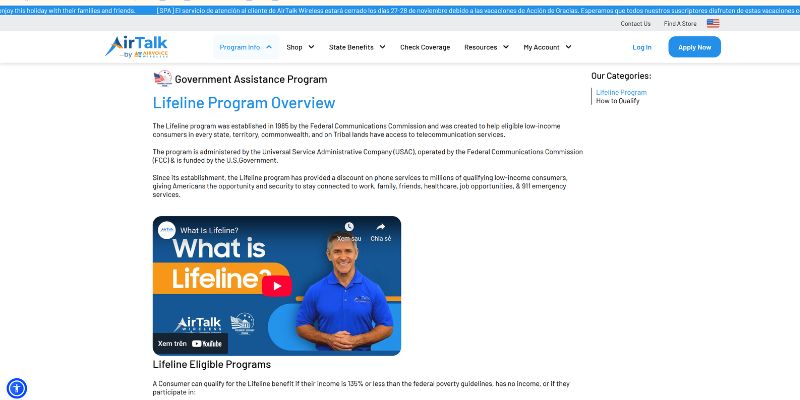
One of the most practical examples is access to communication assistance programs. Through federal-supported programs like Lifeline, many Medicaid recipients qualify for a free phone with Medicaid, including:
- A smartphone
- Monthly talk and text
- Mobile data for internet access
These services help individuals stay connected to healthcare providers, employers, schools, and families. For people managing dental treatment plans, follow-up appointments, or appeals, having reliable phone service can be extremely helpful.


6. Why Medicaid Often Limits Implant Coverage
From a policy standpoint, implants are expensive and resource-intensive. Medicaid programs prioritize essential and preventive care that impacts immediate health outcomes.
Implants are often viewed as:
- Long-term restorative solutions
- Higher-cost alternatives to dentures
- Non-emergency procedures
This classification is a major reason why the question does Medicaid cover dental implants continues to have a conditional answer rather than a universal yes.
7. How to Check Your State’s Medicaid Dental Benefits
To get a clear answer for your situation, take these steps:
- Visit your state Medicaid website
- Look for the adult dental benefits section
- Review covered procedures and exclusions
- Contact a Medicaid dental provider directly
Dentists who accept Medicaid are usually familiar with what procedures are approved and under what conditions.
8. Common Misconceptions About Medicaid and Implants
Many people assume that because Medicaid is healthcare coverage, it automatically includes all medically beneficial treatments. Unfortunately, that is not how the program is structured.
Key misconceptions include:
- All states offer the same dental benefits
- Implants are covered whenever teeth are missing
- Coverage decisions are permanent
In reality, state Medicaid dental programs change frequently. A state that does not cover implants today may expand benefits in the future.
>>> Read more: How Does MediCal Work? A Comprehensive Guide
9. Final Thoughts
So, does Medicaid cover dental implants? The honest answer is that coverage exists in limited situations and varies by state. For most adults, implants are not routinely covered unless they are deemed medically necessary under strict criteria.
If implants are not covered where you live, alternatives such as dental schools, financing plans, and appeals may help reduce costs. At the same time, remember that Medicaid offers other meaningful benefits, including access to a free phone with Medicaid, that can improve daily life and access to care.
Staying informed, checking state-specific rules, and exploring all available resources will give you the best chance to make the right decision for your dental and overall health.