


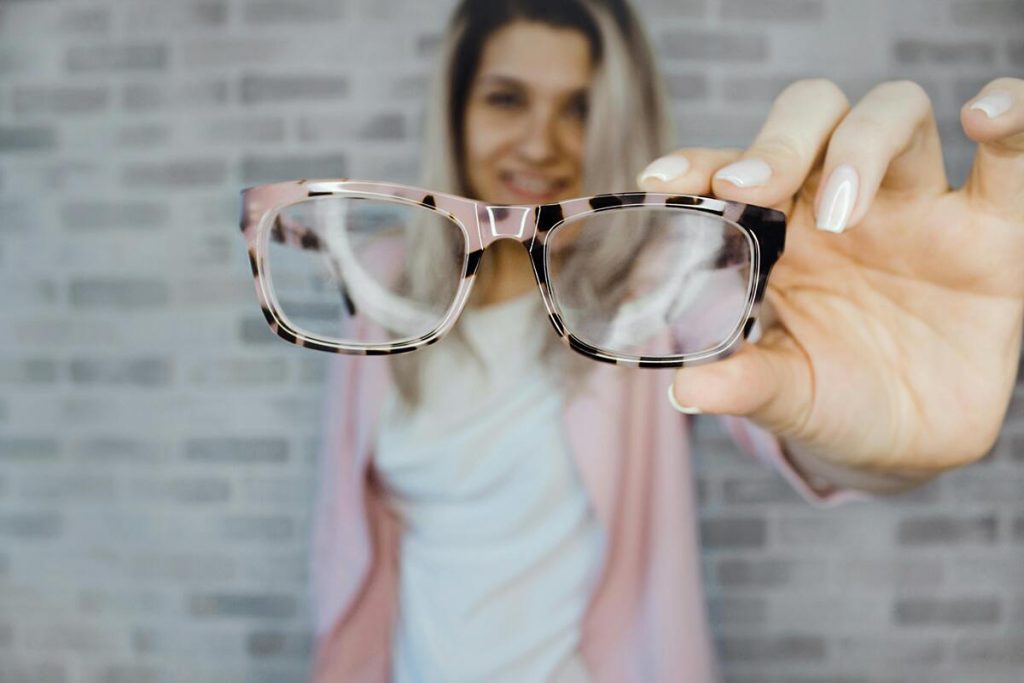
Vision care is an essential part of overall health, yet it is often overlooked when people enroll in public health programs. One of the most common questions beneficiaries ask is does medicaid cover glasses. The answer is not always straightforward. Coverage depends on age, state policy, and the specific Medicaid plan you are enrolled in.
Understanding how Medicaid handles vision benefits can help you avoid unexpected costs and plan your eye care more effectively. This guide breaks down what Medicaid really covers when it comes to glasses, how state rules affect eligibility, and what additional benefits may help reduce everyday expenses.
1. Does Medicaid Cover Glasses? The Short Answer and the Full Explanation


The short answer is sometimes. Medicaid does not follow a single nationwide rule for vision benefits. Instead, coverage is determined by federal guidelines combined with state level decisions.
Under federal law, Medicaid must provide vision coverage for children through the Early and Periodic Screening, Diagnostic, and Treatment program. Adult vision benefits, including glasses, are optional and vary widely by state. This is why many people searching does Medicaid cover eye glasses encounter conflicting information online.
Why Glasses Are Not Automatically Included
Unlike emergency care or hospital services, vision care is considered an optional benefit for adults under Medicaid. This means states can choose whether to cover eye exams, glasses, or both. Some states offer comprehensive vision benefits, while others limit coverage to medically necessary services only.
In addition, Medicaid often places limits on how frequently glasses are covered. Even in states that offer adult vision benefits, Medicaid may only pay for one pair every one or two years, or only when a prescription change meets specific criteria.
How State Policies Change the Answer
Because states control adult vision benefits, your location plays a major role in determining whether “does Medicaid cover glasses” applies to you. Some states include eyeglasses as part of routine preventive care, while others exclude them entirely for adults.
This variation explains why two people with Medicaid in different states may receive very different vision benefits, even though they are enrolled in the same federal program.
2. Can You Get a Pair of Glasses With Medicaid?
Many beneficiaries ask “Can you get a pair of glasses with Medicaid?”. The answer depends on who you are and where you live.
For children and teens, the answer is almost always yes.
Medicaid is required to cover vision exams, glasses, and medically necessary treatments for beneficiaries under 21. For adults, coverage depends on whether the state has chosen to include eyeglasses as part of its Medicaid plan.
When covered, Medicaid usually requires beneficiaries to visit an approved provider and select frames within a specific price range. Upgrades such as designer frames or specialty lenses may require out of pocket payment.
3. Does Medicaid Cover Glasses for Adults?
One of the most searched questions is does medicaid cover glasses for adults. Unfortunately, this is where coverage becomes inconsistent.
Some states offer full adult vision benefits, including eye exams and glasses. Others cover exams but not glasses. A number of states provide no routine vision coverage for adults at all, except in cases involving medical conditions like glaucoma, eye infections, or injury.
Even in states that offer adult coverage, limits often apply. Medicaid may restrict the number of covered pairs, require medical necessity documentation, or only cover basic frames and lenses.
This is why it is important to check your state Medicaid plan or speak directly with your provider to understand what is included.
4. Does Medicaid Cover Glasses in Colorado? A State Example
A common state specific search is does medicaid cover glasses in colorado. Colorado Medicaid, also known as Health First Colorado, provides vision coverage for both children and adults, though the scope differs.
Children enrolled in Colorado Medicaid receive comprehensive vision benefits, including eye exams and glasses when medically necessary. Adult coverage is more limited but generally includes routine eye exams and may cover glasses under certain conditions.
Colorado, like many states, places limits on how often glasses can be replaced and may require prior authorization. Coverage details can also vary depending on whether the beneficiary is enrolled in a managed care plan.
This example highlights why state level rules matter so much when determining whether does medicaid cover glasses applies to your situation.
>>> Read more: Does Medicaid Cover Eye Exams? Best Guide for Adults, Children, and State-by-State Coverage
5. Other Medicaid Benefits That Can Help With Daily Costs
While vision coverage is important, many beneficiaries still ask an essential question: does Medicaid cover glasses? Beyond vision care, Medicaid offers more than just medical benefits. Eligibility often opens the door to additional support programs that can reduce everyday expenses.
These extra benefits can make a meaningful difference for low income families, seniors, and individuals with disabilities.
Why These Extra Benefits Matter
Managing healthcare costs is only one part of financial stability. Transportation, communication, and access to services also play a critical role in maintaining health and independence.
By taking advantage of additional Medicaid linked benefits, beneficiaries can redirect limited funds toward necessities like food, housing, and utilities.
Staying Connected With a Free Phone Through Medicaid
One often overlooked benefit is access to Lifeline services, which provide discounted or free phone with Medicaid. Medicaid is a qualifying program for Lifeline, a federal assistance program designed to ensure access to essential communication services.
A free phone or discounted phone plan helps beneficiaries stay connected to doctors, pharmacies, caregivers, and emergency services. For individuals managing chronic conditions or vision issues, reliable communication is especially important.
Applying for a free phone does not affect Medicaid coverage and can significantly reduce monthly expenses.


>>> Read more: Trustworthy Way to Get a Free Government iPhone with Medicaid Near Me
Final Thoughts
So, does medicaid cover glasses? The answer depends on age, state policy, and specific plan details. Children are guaranteed coverage, while adult benefits vary widely across the country. Some states offer comprehensive vision benefits, others provide limited coverage, and a few offer none at all for routine care.
Understanding your state’s Medicaid rules is essential for avoiding surprises and planning your vision care responsibly. If glasses are not covered, exploring other Medicaid related benefits, such as a free phone with medicaid, can still help reduce overall living costs.
Medicaid is more than a healthcare program. When used fully and correctly, it can be a valuable tool for maintaining health, independence, and financial stability.