


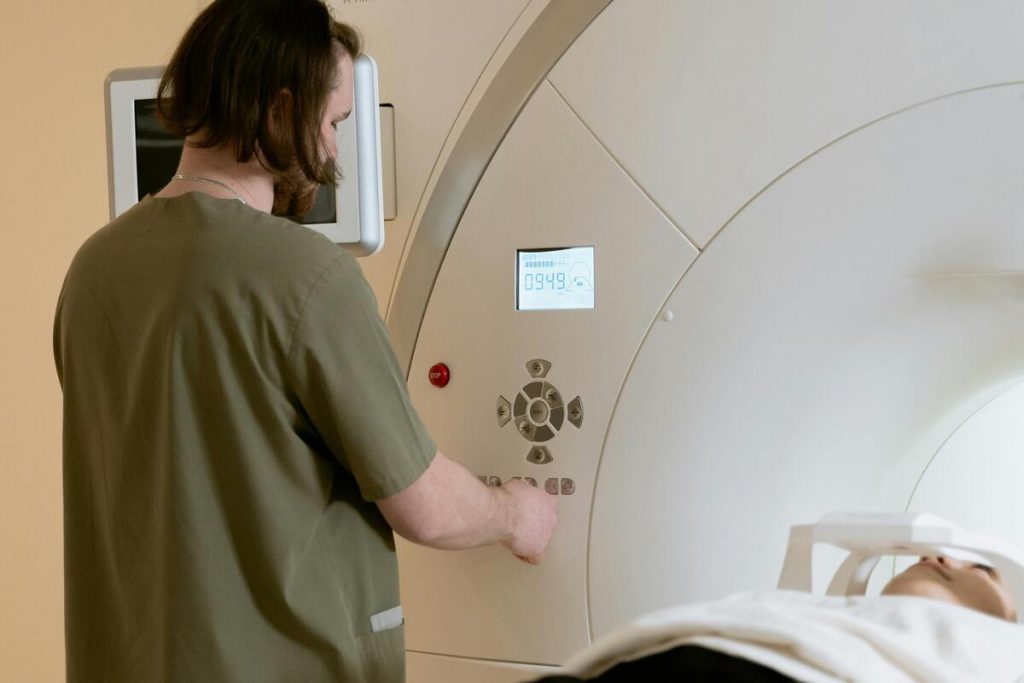
Magnetic Resonance Imaging (MRI) is a powerful diagnostic tool used to identify injuries, neurological conditions, cancers, and other serious medical issues. Because MRI scans are expensive, many patients understandably ask: “Does Medicaid cover MRI?”
The short answer is often yes, but coverage is not automatic. Medicaid coverage for MRI depends on medical necessity, proper documentation, and most importantly, prior approval in many cases. This article explains when Medicaid covers MRI scans, what “medically necessary” really means, and what to do if your request is denied.
1. Does Medicaid Cover MRI in Most Cases?


So, does Medicaid cover MRI in most situations? Generally, yes, Medicaid does cover MRI scans when they are considered medically necessary and ordered by an authorized healthcare provider.
MRI scans fall under diagnostic imaging services, which are included in all state Medicaid programs. However, because Medicaid is administered at the state level, coverage details can vary. Some states cover MRIs broadly, while others apply stricter utilization controls.
In practice, Medicaid usually covers MRI scans when they are needed to:
- Diagnose or monitor serious medical conditions
- Evaluate unexplained pain or neurological symptoms
- Guide treatment decisions after injury or surgery
So while the answer to “Does Medicaid cover MRI” is usually yes, approval depends on why the MRI is being ordered and whether the request meets Medicaid’s criteria.
2. What Does “Medically Necessary” Mean for an MRI?
An MRI is considered medically necessary when it is:
- Ordered by a licensed provider
- Required to diagnose, treat, or manage a medical condition
- Not primarily for screening, convenience, or reassurance
For example, an MRI may be considered medically necessary for:
- Suspected spinal cord injury
- Persistent neurological symptoms (such as seizures or numbness)
- Evaluation of tumors or internal organ damage
- Failure of less advanced imaging (like X-rays or CT scans) to explain symptoms
On the other hand, Medicaid may deny coverage if the MRI is requested:
- As a routine screening without symptoms
- Before conservative treatments are attempted
- Without sufficient clinical documentation
This medical necessity standard is central to whether “Does Medicaid cover MRI” applies in your situation.
3. Do You Need Prior Authorization for an MRI with Medicaid?
In many states, the answer is yes, prior authorization is required before Medicaid will pay for an MRI.
Prior authorization means the MRI request must be reviewed and approved before the scan is performed. The ordering provider typically submits:
- Clinical notes explaining symptoms
- Medical history and prior treatments
- Justification for why an MRI is needed instead of other imaging
This step is critical as Medicaid can deny payment if the scan is done without required approval.
Approval timelines vary by state and urgency. Emergency MRIs may be handled differently, but non-urgent imaging almost always goes through review.
>>> Read more: Does Medicaid Cover Physical Therapy? Coverage Limits, Adult Benefits, and At-Home Care Explained
4. What to Do If Your Medicaid MRI Is Denied?
Despite proper documentation, denials do happen. If your MRI request is denied, it does not necessarily mean the end of the road.
Common reasons for denial include:
- Insufficient medical documentation
- Lack of prior authorization
- Medicaid determining the MRI is not medically necessary
If this happens, you typically have the right to:
- Request reconsideration with additional clinical information
- File an appeal within your state’s Medicaid system
- Ask your provider to submit further justification or updated records
Many appeals are successful when additional evidence clearly supports medical necessity. Understanding “Does Medicaid cover MRI” also means knowing that persistence and documentation matter.
5. Why Communication Matters During MRI Approval?
MRI approval often involves back-and-forth communication between providers, imaging centers, and Medicaid reviewers. You may be contacted to:
- Confirm eligibility
- Schedule appointments
- Respond to approval or denial notices
Missing a call or notice can delay your scan or cause approval to expire. This is especially important for patients with ongoing symptoms who need timely imaging.
6. Free Phone With Medicaid: How Lifeline Helps You Stay Connected
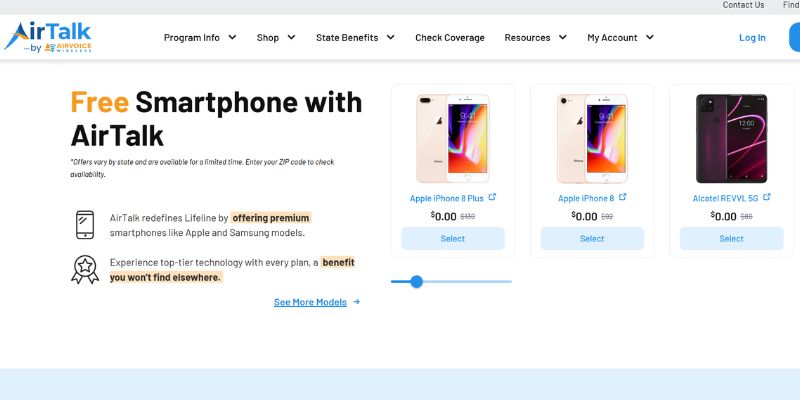
Once approved for Medicaid, maintaining reliable communication becomes part of managing your care. Through the federal Lifeline, Medicaid beneficiaries can access phone service support delivered by participating providers such as AirTalk Wireless.
With approved eligibility, users may receive phone service that includes talk, text, and data. This access helps patients stay connected during time-sensitive processes like MRI authorization and scheduling.
Reliable phone access supports the ability to:
- Respond to Medicaid or provider requests
- Receive MRI approval updates
- Coordinate appointments with imaging facilities
For patients navigating questions like “Does Medicaid cover MRI”, staying reachable can significantly reduce delays and missed opportunities for care.

7. Why Staying Connected Protects Your Coverage?
Medicaid imaging approvals often come with specific validity windows, meaning the MRI must be scheduled and completed within a set period of time after authorization is granted. These timeframes can be relatively short, especially for non-emergency scans. If you miss the scheduling window because you did not receive or respond to a notice, the approval may expire and require resubmission.
In many cases, restarting the process means:
- Your provider must submit a new authorization request
- Medicaid may re-evaluate medical necessity
- The scan may be delayed for weeks or longer
Consistent phone access helps ensure that authorization letters, scheduling calls, and follow-up requests are received and addressed promptly. It also allows you to respond quickly if an imaging center needs clarification or if Medicaid requests additional information before final approval.
For many beneficiaries, a free phone with Medicaid obtained through a participating provider supports smoother coordination between doctors, imaging facilities, and Medicaid offices.
Staying reachable helps prevent expired approvals, missed appointments, and unnecessary delays in diagnostic care, especially when timely imaging is critical to treatment decisions.
Final Thoughts
So, does Medicaid cover MRI? In most cases, yes, but only when the scan is medically necessary, properly ordered, and approved according to state Medicaid rules.
Understanding how medical necessity works, whether prior authorization is required, and what to do if a request is denied can help you avoid costly delays. Just as important, staying connected throughout the process ensures you can respond quickly to Medicaid and provider requests.
When it comes to MRI coverage under Medicaid, preparation, documentation, and communication all play a critical role in accessing timely diagnostic care.