


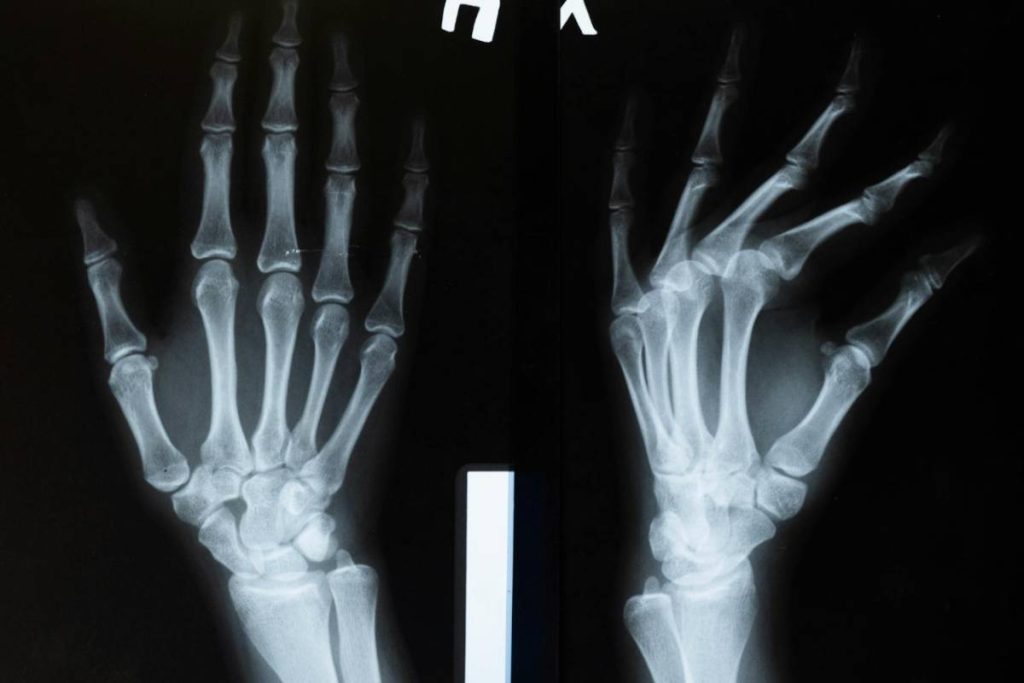
A bone density test may not seem urgent until fractures, posture changes, or ongoing joint pain start affecting everyday life. For many older adults, these screenings become part of routine preventive care as osteoporosis risk increases with age.
At the same time, testing costs and Medicare coverage rules can feel confusing, especially when recommendations vary depending on age, medical history, and individual risk factors. Questions about frequency, eligibility, and out-of-pocket costs often come up before patients even schedule an appointment.
This guide explains does Medicare cover bone density test screenings, who may qualify for coverage, how often testing may be approved, and what beneficiaries should know before getting tested.
1. Does Medicare Cover Bone Density Test?
Yes. Medicare Part B may cover bone density testing for patients considered at risk for osteoporosis or other bone-related conditions. The test is typically treated as a preventive screening or medically necessary diagnostic service when ordered by a doctor or qualified provider.
Coverage eligibility often depends on factors such as:
- Age
- Medical history
- Previous fractures
- Long-term medication use
- Conditions linked to bone loss


For many beneficiaries asking does Medicare cover a bone density test, the answer may depend on whether they meet Medicare’s risk-based guidelines for osteoporosis screening or follow-up monitoring.
Coverage is commonly associated with patients who:
- Have signs of osteoporosis
- Experienced bone fractures
- Use long-term steroid medications
- Receive osteoporosis treatment
- Require follow-up testing after previous bone loss findings
Questions about does Medicare cover bone density test for women are especially common because osteoporosis risk increases significantly after menopause. Women with lower estrogen levels, family history of osteoporosis, or previous fractures are often considered higher-risk candidates for screening.
At the same time, bone loss is not limited to women. Does Medicare cover bone density test for males is another important question because men can also develop osteoporosis, particularly with aging, hormone-related conditions, or long-term corticosteroid use. In some cases, bone density loss in men may go undiagnosed longer because symptoms appear gradually.
When Medicare requirements are met, bone density testing may help patients monitor bone strength before more serious complications such as fractures, chronic pain, or mobility problems develop.
2. What Is a Bone Density Test Used For?
A bone density test helps doctors evaluate how strong or weak a person’s bones may be. The scan measures bone mineral density, usually in areas like the hips or spine, where fractures linked to osteoporosis are more common.
Because bone loss often develops slowly over time, these tests are commonly used to identify problems before major symptoms or injuries appear.
Osteoporosis Screening
One of the main purposes of a bone density test is screening for osteoporosis.
Osteoporosis causes bones to become thinner and more fragile, increasing the risk of fractures from minor falls or everyday movement. The condition often develops gradually without noticeable symptoms, which is why screening becomes more important with age.
Doctors may recommend testing for patients who:
- Are older adults
- Have a family history of osteoporosis
- Ưxperienced previous fractures
- Went through menopause
- Use medications that affect bone strength
Early screening can help identify bone loss before serious complications develop.
Measuring Bone Loss and Fracture Risk
Bone density testing is also used to estimate fracture risk.
As bone mineral density decreases, bones become more vulnerable to breaks, particularly in areas such as:
- Hips
- Spine
- Wrists
- Pelvis
The test results help doctors compare a patient’s bone strength against expected ranges for their age and sex. Lower scores may indicate osteopenia or osteoporosis, both of which increase fracture risk over time.
This information helps guide decisions related to:
- Preventive treatment
- Calcium and vitamin D recommendations
- Medication options
- Exercise and lifestyle adjustments
- Long-term monitoring plans
Monitoring Bone Health During Treatment
Patients already receiving osteoporosis treatment may need follow-up bone density scans to track changes in bone health over time.
These repeat tests help determine whether:
- Medications are slowing bone loss
- Bone density is improving
- Fracture risk remains high
- Treatment adjustments may be necessary
Monitoring can be especially important for patients taking long-term corticosteroids or other medications known to affect bone strength.
In some situations, repeat testing also helps doctors evaluate whether lifestyle changes and ongoing treatment plans are helping stabilize bone density as patients age.
>>> Read more: Does Medicaid Cover Ketamine Treatment in 2026?
3. Who Qualifies for Medicare-Covered Bone Density Testing
Medicare does not automatically cover bone density testing for every beneficiary. Coverage is generally tied to patients who have higher risk factors for osteoporosis, bone fractures, or medical conditions that affect bone strength.
Doctors typically determine eligibility based on medical history, symptoms, medications, and overall fracture risk.
Women at Risk for Osteoporosis
Women are among the groups most commonly approved for Medicare-covered bone density testing.
After menopause, lower estrogen levels can accelerate bone loss, increasing the risk of osteoporosis over time. Because of this, older women are more likely to receive screening recommendations, especially if additional risk factors are present.
Doctors may recommend testing for women who:
- Have a family history of osteoporosis
- Experienced previous fractures
- Have low body weight
- Smoke or consume excessive alcohol
- Show signs of bone thinning
- Are receiving osteoporosis treatment
In many cases, screening helps identify bone loss before fractures or mobility issues begin affecting daily activities.
People Using Long-Term Steroid Medication
Certain medications can weaken bones gradually when used for extended periods.
Long-term corticosteroid use is one of the more common reasons patients qualify for bone density monitoring under Medicare. Steroid medications may interfere with bone rebuilding, increasing the likelihood of osteoporosis and fractures over time.
Patients taking steroids for conditions such as:
- Asthma
- Rheumatoid arthritis
- Lupus
- Chronic inflammatory disorders
may require periodic bone density testing to monitor changes in bone strength.
For these patients, screening can help doctors identify early bone loss before more serious complications develop.
Patients with Certain Medical Conditions
Some medical conditions increase the risk of osteoporosis or reduced bone density even when symptoms are not immediately noticeable.
Patients may qualify for Medicare-covered testing if they have conditions linked to:
- Hormone imbalances
- Calcium absorption problems
- Kidney disease
- Thyroid disorders
- Spinal abnormalities
- Previous bone fractures
Doctors may also recommend testing when imaging studies or physical symptoms suggest possible bone weakening.
Because bone loss often develops silently, patients with chronic medical conditions sometimes receive testing as part of ongoing preventive care and long-term monitoring.
Follow-Up Testing After Previous Bone Loss
Patients previously diagnosed with osteopenia, osteoporosis, or other bone health concerns may qualify for follow-up bone density testing to monitor progression over time.
Repeat scans help determine whether:
- Bone density continues to decline
- Treatment is helping stabilize bone health
- Medications need adjustment
- Fracture risk is increasing
Follow-up testing may also be recommended after prior abnormal results or fractures related to weakened bones.
For many patients, ongoing monitoring helps doctors track long-term bone health more accurately while adjusting treatment plans when necessary.
4. How Often Does Medicare Cover Bone Density Test?
In many situations, Medicare Part B covers bone density testing once every 24 months for eligible beneficiaries.
The two-year interval is commonly used for patients receiving routine osteoporosis screening or follow-up monitoring. However, some patients may qualify for testing more frequently if a doctor determines it is medically necessary.
Earlier repeat testing may sometimes occur when:
- Significant bone loss is suspected
- Osteoporosis treatment is being monitored
- Long-term steroid use increases fracture risk
- Previous test results changed significantly
- Medical conditions affecting bone health worsen
The timing of repeat tests often depends on individual medical circumstances and physician recommendations.
Even when Medicare coverage applies, patients generally need the test to be ordered by a qualified provider and performed through a Medicare-approved facility for coverage rules to apply properly.
5. What Costs Might You Still Pay for a Bone Density Test?
Even when coverage applies, does Medicare cover bone density test services without any out-of-pocket costs? Not always. Some patients may still pay certain expenses depending on how the test is billed and whether Medicare coverage requirements are fully met.
The final amount can vary based on:
- Annual deductibles
- Provider participation in Medicare
- Outpatient facility billing
- Additional services connected to the appointment
Medicare Part B Deductible
Bone density testing is typically covered under Medicare Part B for eligible patients. However, beneficiaries may still need to meet the yearly Part B deductible before Medicare begins paying its portion of approved costs.
If the deductible has not yet been satisfied for the calendar year, patients could receive a bill for part of the screening cost.
Some people also carry supplemental insurance that may help reduce additional expenses related to preventive testing and follow-up care.
Coinsurance in Certain Situations
Even after the deductible is met, coinsurance costs may still apply in certain situations.
For example, patients may owe part of the Medicare-approved amount if:
- Additional imaging services are included
- The appointment involves diagnostic follow-up care
- The provider bills services separately
- Testing occurs in certain outpatient settings
Coverage can sometimes differ between routine osteoporosis screening and medically necessary diagnostic testing.
Because billing situations vary, some patients choose to verify potential costs before scheduling the appointment.
Provider Acceptance of Medicare
Provider participation can also affect the total amount patients pay.
Doctors and imaging facilities that accept Medicare assignment agree to Medicare-approved pricing, which may help reduce unexpected charges. Providers who do not accept assignment may bill differently, potentially increasing out-of-pocket expenses.
Before the test, patients may want to confirm:
- Whether the provider accepts Medicare assignment
- Whether the imaging center participates in Medicare
- Whether separate facility charges apply
- Whether follow-up visits create additional billing
Reviewing these details ahead of time can help avoid confusion later.
6. What Happens During a Bone Density Test?
For many patients asking does Medicare cover bone density test procedures, another concern is what the actual exam experience looks like. Fortunately, bone density testing is usually simple, fast, and noninvasive.
The test is commonly performed using low-dose imaging technology that measures bone mineral density in areas most vulnerable to osteoporosis-related fractures.
The Test Is Quick and Noninvasive
Bone density scans do not involve surgery, injections, or lengthy preparation.
During the appointment, patients usually lie on an exam table while a scanning device moves slowly over specific areas of the body. The procedure is generally painless and often completed within a short visit.
Most patients can:
- Leave immediately afterward
- Drive themselves home
- Return to normal activities the same day
Unlike more invasive medical procedures, recovery time is typically unnecessary.
Common Areas That Are Scanned
The scan usually focuses on bones most commonly affected by osteoporosis and fracture risk.
Doctors often examine areas such as:
- Hips
- Lower spine
- Forearm
- Pelvis
These regions provide useful information about overall bone strength and future fracture risk.
In some situations, additional areas may be scanned depending on:
- Prior fractures
- Ongoing treatment
- Medical conditions affecting bone health
- Previous test findings
Getting Your Results
After the scan is completed, the results are reviewed to determine whether bone density appears normal or shows signs of osteopenia or osteoporosis.
Doctors use these findings to evaluate:
- Fracture risk
- Progression of bone loss
- Effectiveness of treatment
- Need for additional monitoring
Depending on the results, patients may receive recommendations involving:
- Repeat testing
- Medications
- Supplements
- Exercise programs
- Dietary changes
- Fall prevention strategies
For many older adults, bone density testing becomes part of long-term preventive care focused on maintaining mobility and reducing fracture risk over time.
7. Staying Connected to Ongoing Health Care and Support
Managing bone health often involves more than a single doctor visit or screening appointment. Patients dealing with osteoporosis, mobility concerns, chronic pain, or long-term treatment plans may need regular communication with health care providers, pharmacies, caregivers, and family members.
Reliable phone service can become especially important for:
- Scheduling appointments
- Accessing telehealth visits
- Receiving medication reminders
- Contacting emergency services
- Staying connected with caregivers and support networks
For eligible households, the Lifeline program helps make phone and wireless service more affordable. As a trusted Lifeline provider since 1999, AirTalk Wireless helps qualifying users stay connected through free monthly wireless plans in supported areas.
Depending on eligibility and availability, qualified users may receive:
- Free monthly talk
- Free text messaging
- Mobile data
- Free international calling to select countries
- Access to free or discounted smartphones
AirTalk Wireless also supports Bring Your Own Device activation for many compatible phones, including newer iPhone and Android models.


For older adults managing ongoing medical care, maintaining reliable communication can make everyday health coordination easier and more accessible.
IMPORTANT: The government does not subsidize devices. Lifeline programs cover basic service costs only. Free or discounted devices, upgrade plans, or top-ups are exclusive benefits provided by AirTalk Wireless as part of our promotional offers. Terms and conditions apply. Limited-time promotion—offers vary by state, stock availability, and eligibility.
Conclusion
Understanding does Medicare cover bone density test screenings can help patients prepare for preventive care before serious bone loss or fractures develop.
Medicare Part B may cover testing for eligible beneficiaries based on risk factors, medical history, and ongoing treatment needs. Knowing how coverage works, how often testing may be approved, and what costs could still apply can make it easier to plan for long-term bone health management.