



For many Medicaid beneficiaries, accessing prescriptions is one of the most frequent and essential healthcare needs. A common question is “Does Walgreens accept Medicaid”, especially since Walgreens operates thousands of pharmacies across the United States. While the short answer is often “yes,” the full explanation depends on state rules, Medicaid plans, and proper enrollment at the pharmacy level.
This guide explains how Medicaid works at Walgreens, what insurance Walgreens accepts, common problems to avoid, and why staying connected is critical to using your benefits without delays.
1. Does Walgreens Accept Medicaid?
So, “Does Walgreens accept Medicaid?” In most states, Walgreens pharmacies do accept Medicaid, but acceptance depends on whether Walgreens is contracted with your specific state Medicaid program and managed care plan.


Medicaid is administered at the state level, which means pharmacy participation rules vary. Even though Walgreens is a national chain, not every location automatically accepts every Medicaid plan.
In general, Walgreens works with:
- State Medicaid fee-for-service programs
- Many Medicaid managed care organizations (MCOs)
However, coverage is never guaranteed without verification.
How to add Medicaid to walgreens pharmacy?
Understanding “How to add Medicaid to Walgreens pharmacy?” is essential before filling a prescription.
You can add Medicaid to your Walgreens profile by:
- Visiting a Walgreens pharmacy in person
- Providing your Medicaid ID card
- Confirming your full legal name and date of birth
The pharmacy staff will enter your Medicaid information into their system and verify coverage. This step ensures your prescriptions are billed correctly and helps prevent claim rejections.
If your Medicaid plan changes, you must update your information again. Failing to do so is one of the most common reasons people believe Walgreens “doesn’t accept” their Medicaid.
How to use Medicaid at a walgreens pharmacy?
Many beneficiaries also question how to use Medicaid at pharmacy, especially first-time users.
Once Medicaid is on file:
- Present your Medicaid card when picking up prescriptions
- Confirm the medication is covered by your plan
- Pay any required copayment (if applicable; many Medicaid plans have $0 copays)
Some medications may require prior authorization. Walgreens pharmacists can tell you if a prescription needs approval before it can be filled.
2. Why Medicaid Coverage Can Vary at Walgreens?
If you’re still unsure “Does Walgreens accept Medicaid”, it’s important to understand why coverage varies.
Medicaid differences occur because:
- Each state sets its own pharmacy contracts
- Managed care plans negotiate separately
- Formularies (covered drug lists) differ by plan
This means one Walgreens location may accept your Medicaid plan, while another location in a different state, or even a different county, may not.
If you’re asking “does Walgreens accept Medicaid“, the answer can vary by location and by specific Medicaid managed care plan. The most reliable ways to confirm coverage are:
- Call your local Walgreens pharmacy directly
- Check your Medicaid plan’s pharmacy directory
- Contact your state Medicaid office
Never assume acceptance based on past visits alone.
3. Which Insurance Does Walgreens Accept?
Another frequent question related to does Walgreens accept Medicaid is: “Which insurance does Walgreens accept?” Beyond Medicaid, Walgreens accepts a wide range of insurance plans, including:
- Medicare and Medicare Part D plans
- Employer-sponsored private insurance
- Affordable Care Act (Marketplace) plans
- TRICARE and other government programs
Because coverage varies by location and by individual plan, verifying insurance acceptance before filling prescriptions is always recommended. Asking both “Does Walgreens accept Medicaid” and “Which insurance does Walgreens accept?” upfront can save time and prevent denied claims.
4. Common Problems Using Medicaid at Walgreens
Even when the answer to “Does Walgreens accept Medicaid” is yes, problems can still occur due to how Medicaid plans are administered and updated. One of the most common issues is outdated Medicaid information on file, especially if your plan changed recently or you switched managed care providers. In these cases, the pharmacy system may reject the claim even though you are still eligible.
Another frequent issue is expired or temporarily inactive eligibility. Medicaid coverage can lapse due to missed renewals, unreported income changes, or pending eligibility reviews. When this happens, prescriptions cannot be processed until coverage is restored, even if the interruption is short.
Coverage limitations also matter. Some prescriptions may be excluded from your plan’s formulary or require a generic alternative. In other cases, medications may need prior authorization, meaning the pharmacy must wait for approval from your Medicaid plan before filling the prescription.
Most of these problems are administrative rather than medical, and they are often resolved quickly. However, resolution depends on timely communication between the pharmacy, your Medicaid plan, and you. If you cannot be reached to confirm details or respond to requests, prescription delays are more likely.
>>> Read more: Does Walgreens Accept WIC? What to Know Before Using WIC Benefits at Walgreens
5. Staying Connected Helps You Use Medicaid Without Delays
Reliable communication is often overlooked but critical to using Medicaid smoothly. Medicaid agencies and pharmacies may need to contact you to:
- Confirm eligibility
- Request updated insurance details
- Resolve prescription authorization issues
Missing a call or notice can delay access to medication.
This is where the federal Lifeline program becomes relevant, but with an important clarification.
Lifeline does not provide free phones or data directly. Instead, it allows eligible individuals (including those approved for Medicaid) to receive discounted or no-cost phone service through participating providers.
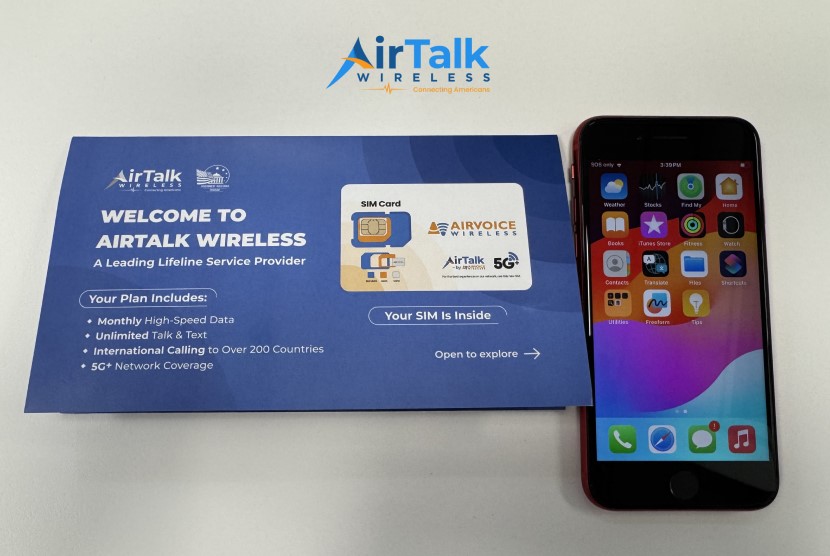
One such provider is AirTalk Wireless.
After Medicaid approval, eligible users may qualify for a free phone with Medicaid through the provider, along with monthly talk, text, and data. This connectivity helps ensure you don’t miss pharmacy calls, Medicaid notices, or prescription updates.

6. Why Phone Access Matters for Pharmacy Benefits?
Using Medicaid at Walgreens often requires quick responses, especially if:
- A prescription needs prior authorization
- Your Medicaid eligibility must be reverified
- Your insurance information has changed
Having consistent phone access reduces delays and helps you manage prescriptions efficiently. For many beneficiaries, a free phone with Medicaid obtained through an approved provider like AirTalk Wireless supports uninterrupted access to healthcare services.
Final Thoughts
So, does Walgreens accept Medicaid? In most cases, yes but acceptance depends on your state, plan, and proper setup at the pharmacy.
Understanding How to add Medicaid to Walgreens pharmacy?, How to use Medicaid at pharmacy?, and Which insurance does Walgreens accept? can prevent delays and frustration. Staying connected, especially after Medicaid approval, also plays a crucial role in managing prescriptions and avoiding missed communications.
By verifying coverage, keeping your information updated, and maintaining reliable phone access, you can use your Medicaid benefits at Walgreens more confidently and efficiently.