


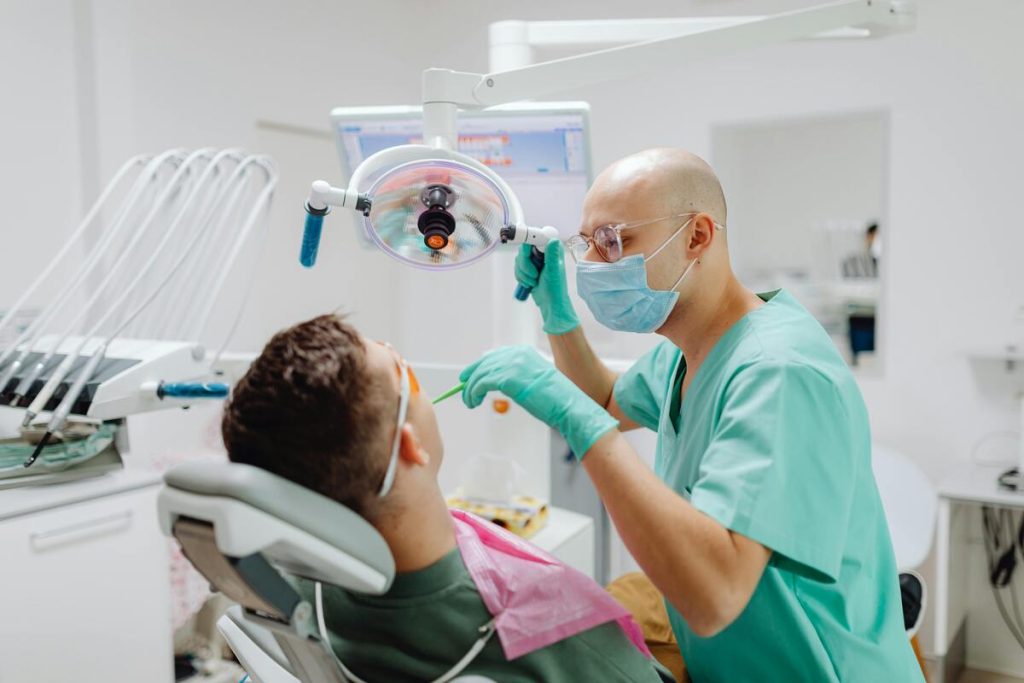
Dental emergencies rarely happen at convenient times. Severe tooth pain, sudden swelling, or a broken tooth can disrupt daily life and require immediate attention. For Medicaid recipients, the challenge often goes beyond the pain itself, finding an emergency dentist that take Medicaid quickly can feel overwhelming.
This guide explains what truly qualifies as a dental emergency, how Medicaid handles urgent dental care, and what steps you can take if you need help right away. It also highlights how staying connected through programs like Lifeline can make a real difference when time matters.
1. When Is a Dental Problem Considered an Emergency?
Understanding “What is considered to be a dental emergency” is the first step toward getting appropriate care. Not every dental issue requires immediate treatment, but some situations should never be delayed.
According to guidance from state Medicaid programs and the American Dental Association (ADA), dental emergencies generally include:
- Severe tooth pain that does not respond to over-the-counter pain relief
- Facial swelling, gum swelling, or signs of infection
- Abscesses or pus around the tooth or gums
- Broken, cracked, or knocked-out teeth
- Uncontrolled bleeding after dental trauma
These conditions are considered urgent because delaying treatment can lead to serious infections or long-term damage. In these cases, seeking an emergency dentist that take Medicaid is medically justified and often covered under Medicaid’s emergency dental benefits.
2. Emergency Dentist That Take Medicaid


The phrase emergency dentist that take Medicaid can be misleading if not fully understood. Medicaid coverage for dental care varies by state, but emergency services are treated differently from routine or cosmetic dental work.
In most states, Medicaid covers emergency dental services when they are necessary to relieve pain, treat infection, or prevent further health complications. This often includes:
- Emergency exams and diagnostic X-rays
- Tooth extractions when medically necessary
- Treatment of infections, including abscess drainage
- Temporary restorations to stabilize damaged teeth
However, coverage does not mean every dentist accepts Medicaid. This leads many patients to ask: “Why do a lot of dentists not accept Medicaid?”
The reasons vary, but commonly include lower reimbursement rates, administrative complexity, and limited appointment availability. As a result, even eligible patients may struggle to find an emergency dentist that take Medicaid without knowing where to look or how to ask the right questions.
>>> Read more: Dentists That Accept Medicaid Near Me: How to Find Affordable Dental Care in Your Area
3. How to Find an Emergency Dentist That Take Medicaid Fast?
When you are in pain, speed matters. These steps can help you locate an emergency dentist that take Medicaid without wasting valuable time.
Check official Medicaid provider directories
Every state Medicaid program maintains an official provider directory listing dentists who accept Medicaid. These directories are the most reliable starting point because they reflect providers who are actively enrolled in the program.
Look for filters such as “emergency services” or “urgent care” when available. Some listings also indicate whether same-day or walk-in appointments are offered, which is crucial during a dental emergency.
Call clinics directly and ask the right questions
Directories are helpful, but calling clinics directly is often necessary. When you call, be clear and specific. Ask:
- Do you currently accept Medicaid for emergency dental visits?
- Can you see patients with urgent pain or infection today or within 24 hours?
- What documents should I bring for my Medicaid visit?
Being prepared helps avoid misunderstandings and ensures you are truly speaking with an emergency dentist that take Medicaid, not just a general dental office with limited availability.
4. What If You Can’t Find an Emergency Dentist Right Away?
Despite best efforts, some patients still cannot locate an emergency dentist that take Medicaid immediately. If this happens, there are still options.
Community health centers and dental schools often provide emergency dental services at reduced or no cost and frequently accept Medicaid. Hospital emergency rooms can also address severe infections, facial swelling, or trauma-related dental emergencies, especially when there is a risk to overall health.
In these situations, timely communication is critical. Medicaid offices, clinics, and referral centers may need to reach you quickly to coordinate care or provide alternative options. Missing a call or email can delay treatment even further.
5. Why Staying Connected Matters During Dental Emergencies?
Accessing emergency dental care is not just about coverage, it’s also about communication. Many Medicaid recipients face barriers such as limited phone access, unstable service, or lack of reliable internet.
This is where Lifeline-supported services become especially important. Medicaid participation often qualifies individuals for Lifeline benefits, which can include a free phone with Medicaid and monthly service at no cost.
Having a reliable phone allows you to:
- Call multiple dental clinics quickly
- Receive appointment confirmations or cancellations
- Communicate with Medicaid offices and care coordinators
- Access provider directories and emergency resources online
When you are searching for an emergency dentist that take Medicaid, these communication tools are not a luxury, they are essential.
6. How AirTalk Wireless Supports Medicaid Recipients?
AirTalk Wireless is a Lifeline-approved provider that helps eligible Medicaid recipients remain connected through free or low-cost mobile services. For individuals dealing with urgent health issues, including dental emergencies, this support can remove a major barrier.
With AirTalk Wireless, eligible users may receive a smartphone and monthly service, making it easier to manage appointments, contact providers, and respond quickly to urgent care needs.
This is especially valuable when navigating the stress and time sensitivity of finding an emergency dentist that take Medicaid.
Staying connected empowers patients to act faster, ask informed questions, and follow through with care plans, factors that directly affect health outcomes.

Final Thoughts
Dental emergencies are stressful, but understanding your options can make a difficult situation more manageable. Knowing “What is considered to be a dental emergency”, how Medicaid defines emergency coverage, and where to search for help puts you in a stronger position.
While it may take persistence to locate an emergency dentist that take Medicaid, the right tools and information can shorten the process significantly. Reliable communication, supported by programs like Lifeline and providers such as AirTalk Wireless, plays a crucial role in accessing care when every minute counts.
If you are enrolled in Medicaid, staying connected is more than convenience, it’s a key part of protecting your health.