


Finding a food that starts with K sounds simple until you realize how many different categories fit the letter. Some K foods are everyday ingredients such as kale and kidney beans, while others are traditional dishes, desserts, condiments, or regional specialties from around the world.
If you have ever wondered what is a food that starts with K, the answer can be as familiar as kiwi or as adventurous as khachapuri, kedgeree, or kohlrabi.
1. Food That Starts With K: 30+ Examples
A useful way to explore food that starts with K is to divide the list into fruits and vegetables, savory dishes, desserts, and ingredients.
Fruits and Vegetables That Start With K
If you are asking “what is a food that starts with the letter K”, fruits and vegetables offer several easy examples:
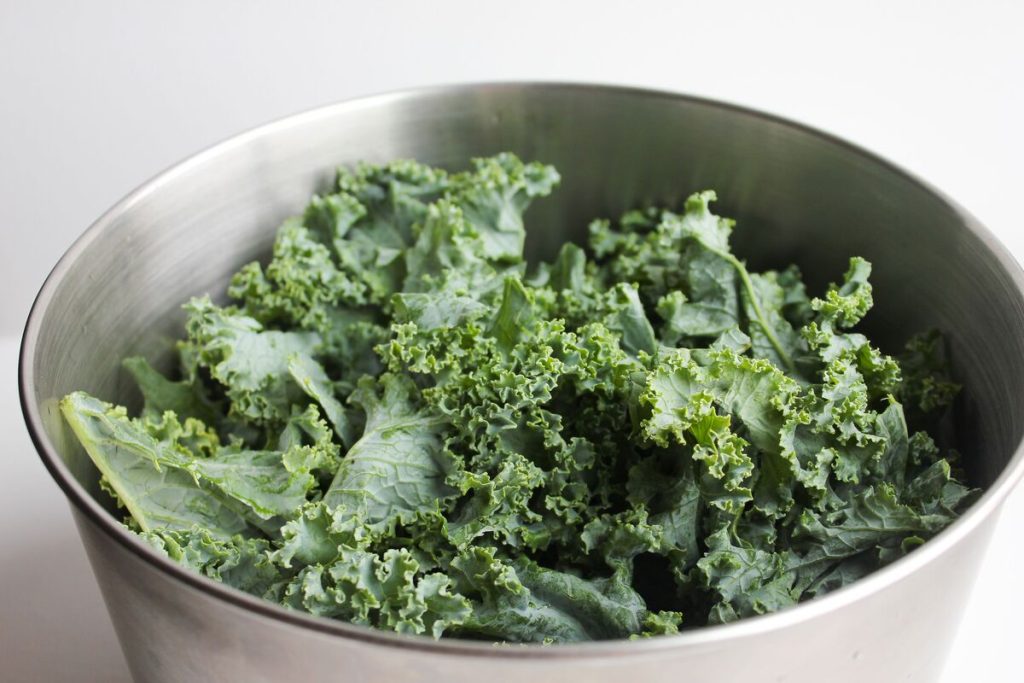
- Kale: A dark leafy green used in salads, soups, smoothies, and cooked vegetable dishes.
- Kiwi: A small fruit with brown skin, green or golden flesh, and a sweet-tart flavor.
- Kumquat: A tiny citrus fruit that can be eaten with the peel.
- Kohlrabi: A round vegetable from the cabbage family with a mild, slightly sweet taste.
- Kabocha squash: A Japanese squash with dense orange flesh and a naturally sweet flavor.
- Kiwano: Also called horned melon, with a spiky orange exterior and green jelly-like interior.
- Key lime: A small, aromatic citrus fruit commonly associated with Key lime pie.
- Korean melon: A small yellow melon with crisp, mildly sweet flesh.
- Kai lan: Also known as Chinese broccoli, a leafy vegetable with thick stems.
- Kangkong: Water spinach, widely used in Southeast Asian cooking.
Main Dishes and Savory Foods
The letter K appears in many international dishes, so this category quickly expands beyond simple ingredients.


- Kebab: Meat, vegetables, or other ingredients grilled on skewers or cooked in related styles.
- Katsu: Japanese breaded and fried meat, commonly chicken or pork.
- Kimchi: Korean fermented vegetables seasoned with ingredients such as red pepper, garlic, and ginger.
- Kofta: Seasoned minced meat shaped into balls, patties, or kebabs.
- Korma: A South Asian curry generally cooked with spices and a rich sauce.
- Kung pao chicken: A Chinese stir-fried dish combining chicken, chilies, peanuts, and sauce.
- Khachapuri: Georgian bread typically filled with cheese.
- Kedgeree: A rice-based dish associated with British cuisine and influenced by Indian cooking.
- Kielbasa: A term commonly used for Polish sausage.
- Kalbi: Korean-style grilled short ribs, also commonly written as galbi.
- Knish: A filled baked or fried pastry associated with Eastern European Jewish cuisine.
- Khao pad: Thai fried rice.
- Khao soi: A northern Thai noodle dish usually served in a curry-style broth.
- Kibbeh: A Middle Eastern preparation often combining bulgur wheat, meat, and spices.
>>> Read more: How Long Does Canned Food Last? Shelf Life, Expiration Dates, and Storage Guide
Snacks, Sweets, and Desserts
A food that starts with K does not have to be savory. Several desserts and snack foods also begin with the letter.
- Kheer: A South Asian milk-based pudding commonly made with rice or other grains.
- Kulfi: A dense frozen dairy dessert popular across South Asia.
- Key lime pie: A tart, creamy dessert made with Key lime juice.
- Kringle: A ring-shaped or oval pastry associated especially with Danish baking traditions.
- Kuchen: The German word for cake and also the name of several cake-like desserts.
- Kettle corn: Popcorn coated with a combination of sweet and salty seasoning.
- Khanom: A broad Thai term used in the names of many sweets and snacks.
- Khaja: A layered, crisp sweet made with flour and sugar; versions appear in parts of India.
- Kit Kat: A chocolate-covered wafer confection.
- Kolaczki: Small filled pastries associated with Central and Eastern European traditions.
Ingredients and Condiments
Some K foods are not complete dishes but ingredients used to build other meals.
- Kidney beans: Large red beans used in chili, rice dishes, stews, and salads.
- Kelp: Edible seaweed used in soups, broths, seasonings, and snacks.
- Kombu: A type of kelp commonly used to make Japanese dashi broth.
- Ketchup: A tomato-based condiment used with burgers, fries, sandwiches, and more.
- Kamut: A trademarked name associated with khorasan wheat.
- Konjac: A plant used to make foods such as shirataki noodles.
- Kaffir lime leaves: Aromatic citrus leaves used in Southeast Asian cooking; “makrut lime” is increasingly preferred as the name.
- Kecap manis: A thick, sweet Indonesian soy sauce.
- Kasha: Toasted buckwheat groats commonly used in Eastern European dishes.
So if someone asks “what is a food that starts with a K”, there are dozens of possibilities depending on whether they mean a fruit, full meal, dessert, or ingredient.
3. Popular Foods That Start With K Around the World
The letter K appears especially often in dishes whose names have entered English through other languages. That gives this list a strong international character.
In Asian cuisine, kimchi, katsu, and kung pao chicken are some of the most recognizable examples. Kimchi is made through fermentation and commonly begins with salted vegetables combined with seasonings such as red pepper powder, garlic, and ginger. Katsu is associated with Japanese breaded cutlets, while kung pao chicken comes from Chinese culinary traditions.
Middle Eastern cuisines contribute dishes such as kebab and kofta, both of which have many regional variations. Kebab can describe several grilled-meat preparations, while kofta is typically based on seasoned minced meat.
Indian and South Asian sweets add kheer and kulfi to the list. Kheer is closely related to rice-and-milk desserts such as payasam, while kulfi is a rich frozen dessert found widely across India.
4. Healthy Foods That Start With K
Several K foods can also fit naturally into a nutrient-dense diet, although “healthy” depends on the overall preparation, portion, and eating pattern.
Kale is the standout leafy green. It provides vitamin K and belongs to the group of green leafy vegetables identified as major dietary sources of this vitamin. Vitamin K plays an important role in normal blood clotting and bone-related processes.
Kiwi, kumquat, and Korean melon offer fruit-based options, while kohlrabi and kabocha squash can add vegetable variety to meals. These foods can be eaten fresh or prepared through roasting, steaming, or other cooking methods.
Kidney beans are another useful K food because legumes provide plant protein, carbohydrates, and fiber. They can be used in soups, salads, chili, or rice dishes.
For grains, kasha and khorasan wheat products such as Kamut provide alternatives to more common refined grains.
>>> Read more: Cheapest Fast Food: How to Find the Best Value Meals and Restaurants
5. FAQs
What are some K foods?
Common examples include kale, kiwi, kumquat, kebab, katsu, kimchi, kidney beans, kheer, kulfi, ketchup, kohlrabi, kielbasa, korma, kofta, and Key lime pie.
What food starts with K in the Philippines?
One Filipino example is kare-kare, a savory stew commonly made with meat and vegetables in a thick peanut-based sauce. Kwek-kwek, battered and fried quail eggs, is another well-known.
These examples make Filipino cuisine especially useful when expanding a list of food that starts with K beyond the most common Western foods.
What foods have vitamin K?
Green leafy vegetables are among the primary dietary sources of vitamin K, including kale, spinach, broccoli, and lettuce.
Final Thoughts
There is no shortage of food that starts with K. Familiar examples such as kiwi, kale, ketchup, and kidney beans sit alongside international dishes such as kimchi, katsu, kebab, kofta, korma, khachapuri, kheer, and kulfi.
Whether you are building an alphabet-food list, completing a classroom activity, or simply exploring new cuisines, food that starts with K offers far more variety than it might appear at first.