


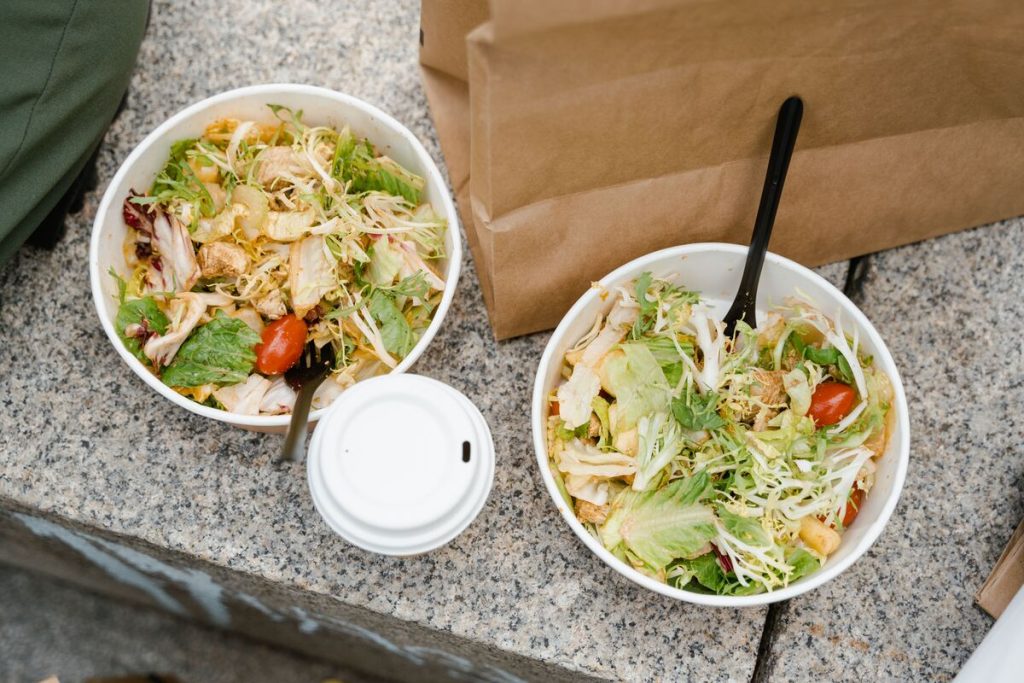
Fast food does not have to mean an oversized burger, fries, and a sugary drink. When time is limited, a more balanced order can still include protein, vegetables, whole grains, fruit, or beans while keeping saturated fat, sodium, and added sugar in mind. It is ideal to include more protein foods, vegetables and fruits, fiber-rich whole grains, while limiting highly processed foods and added sugars.
The key to finding healthy fast food is not identifying one “perfect” restaurant. It is learning which menu structures make it easier to build a balanced meal and which extras can quietly change the nutritional profile.
1. Healthy Fast Food Options That Are Easier to Find
If you are wondering what are some healthy fast food options, begin with meals that make protein and produce easy to identify. Some of the chains that you can order a more healthy food are Chipotle, Cava, Taco Bell, Panera Bread, among others.
A useful order does not need to be extremely low in calories. It should fit your needs while providing satisfying food and limiting ingredients you are trying to moderate.
You can order these or make them at home yourself.
Grilled Chicken Meals
- Grilled chicken with vegetables:
A grilled chicken entrée, sandwich, or salad can provide a clear protein source without the breading used in fried chicken. Pair it with vegetables or fruit when available, and adjust cheese, bacon, or creamy sauces based on your needs.
- A simplified chicken sandwich:
Choose a single chicken portion with lettuce and tomato, then consider using less sauce or skipping an extra cheese layer. Customization can make a meaningful difference because sauces and toppings add their own fat, sodium, sugar, and calories.
Bowls With Protein, Vegetables, and Whole Grains
- A bean-and-chicken bowl:
Combine chicken or another protein with beans, vegetables, salsa, and a moderate amount of rice. Beans add both protein and fiber, while vegetables increase variety without requiring a separate side.
- A grain bowl with vegetables:
When available, choose a whole-grain base and add a protein source plus vegetables. Current dietary guidance specifically encourages fiber-rich whole grains over refined carbohydrates.
Bowls are particularly useful for healthy fast food because you can see each component and adjust portions individually.
>>> Read more: Can You Get Hot Food With EBT? 5 Surprising Rules by State
Salads That Actually Work as a Meal
- A salad with grilled chicken or another protein:
A meal-sized salad should provide more than lettuce. Protein, vegetables, and a reasonable dressing portion make it more satisfying.


- A salad with fruit, nuts, or beans:
These additions can create more variety, but the total order still matters. Dressings, cheese, candied toppings, bacon, and crispy chicken can substantially change what started as a relatively simple salad.
Breakfast Options With Protein
- An egg-based breakfast sandwich:
Egg with a simple bread base can be easier to balance than a large breakfast combination containing multiple meats, cheese, fried potatoes, and a sweetened drink.
- Oatmeal or another whole-grain breakfast with fruit:
This can work well when a restaurant offers it, especially if you can control added syrups or sugary toppings. Pairing a grain-based breakfast with fruit or another protein source can make it more substantial.
When asking what are healthy fast food options for breakfast, look at the complete meal rather than one “healthy-sounding” item.
Simple Sandwiches and Wraps
- A turkey, chicken, or vegetable-heavy sandwich:
Keep the structure simple and use vegetables generously. Cheese, mayonnaise, bacon, and large portions can be adjusted if you are trying to reduce saturated fat or sodium.
- A protein-and-vegetable wrap:
Wraps can be convenient, but size matters. Choose one with a recognizable protein source and vegetables instead of assuming every wrap is automatically lighter than a burger.
These ten ideas show that healthy fast food is usually about assembling familiar ingredients more carefully rather than finding a completely different type of restaurant.
2. What Makes a Fast Food Meal Healthier?
So, what is healthy fast food in practical terms? A better fast-food meal usually combines a useful protein source with vegetables, fruit, beans, or fiber-rich grains while keeping portions and heavily added sauces, sugars, and sodium in perspective.
The FDA’s Nutrition Facts framework encourages consumers to look for more dietary fiber and less saturated fat, sodium, and added sugars when comparing packaged foods. The same principles are useful when a restaurant publishes nutrition information.
A practical comparison can focus on:
| What to Check | Better Direction |
| Protein | Chicken, eggs, beans, leaner proteins |
| Produce | Vegetables or fruit included in the meal |
| Grain | Whole grain when available |
| Sauce | Moderate portion or served on the side |
| Drink | Water or an unsweetened option |
| Portion | Enough to satisfy without automatic upsizing |
3. How to Build a Better Fast Food Order?
The easiest way to improve healthy fast food choices is to treat the order as several decisions rather than accepting the default combo.
Start with the main item. Choose a protein and decide whether grilled, roasted, bean-based, or another preparation suits your goals better than fried. Next, add produce where practical through lettuce, tomato, vegetables, salsa, beans, fruit, or a side salad.
Finally, choose the drink. Sugar-sweetened beverages can add a substantial amount of added sugar without making the meal more filling, and the current Dietary Guidelines advise avoiding sugar-sweetened beverages.
If you are asking what is a healthy fast food option, a grilled or protein-based entrée with vegetables, a reasonable side, and an unsweetened drink is a practical place to start.
>>> Read more: Takeout Restaurants Near Me: Easy Ways To Find Great Food Nearby
4. Fast Food Choices That Look Healthy but Can Be Misleading
A “healthy” label, green packaging, or the word salad does not automatically make an order nutritionally balanced.
A salad can include generous amounts of dressing, cheese, bacon, fried toppings, or sweetened nuts. A smoothie can contain significant added sugar. A very large wrap may contain more food than expected, and a plant-based burger can still be high in sodium or saturated fat depending on the recipe and toppings.
5. FAQs
What fast food is not processed?
Very little restaurant fast food is completely unprocessed. Cooking, grinding, seasoning, baking, freezing, or combining ingredients are all forms of processing to some degree. If minimizing processing is your priority, look for simpler components such as whole fruit, plain vegetables, eggs, beans, plain potatoes, or straightforward grilled meat rather than heavily formulated items.
What is the cleanest fast food chain?
There is no official or universally accepted “cleanest” fast-food chain from a nutrition standpoint. The word clean also has no standardized nutritional definition.
Is Wendy’s or Five Guys healthier?
Neither chain is universally healthier because the answer depends on what you order.
Wendy’s currently has a broader menu that includes salads, chili, burgers, chicken, and other sides, while Five Guys centers largely on customizable burgers, hot dogs, sandwiches, fries, and shakes.
Five Guys allows burgers and sandwiches to be ordered without a bun as a wrap or bowl, while Wendy’s also allows many menu items to be customized by removing cheese or condiments.
Final Thoughts
Finding healthy fast food is less about discovering one “healthy chain” and more about recognizing better menu patterns. Meals built around protein, vegetables, beans, fruit, and fiber-rich grains generally give you more to work with, while oversized portions, sugary drinks, heavy sauces, and multiple add-ons can quickly change the balance.
The best answer to what fast food is healthy will vary from person to person, but the basic strategy remains useful: choose recognizable foods, build around protein and produce, customize when needed, and judge the complete order rather than its marketing name.