


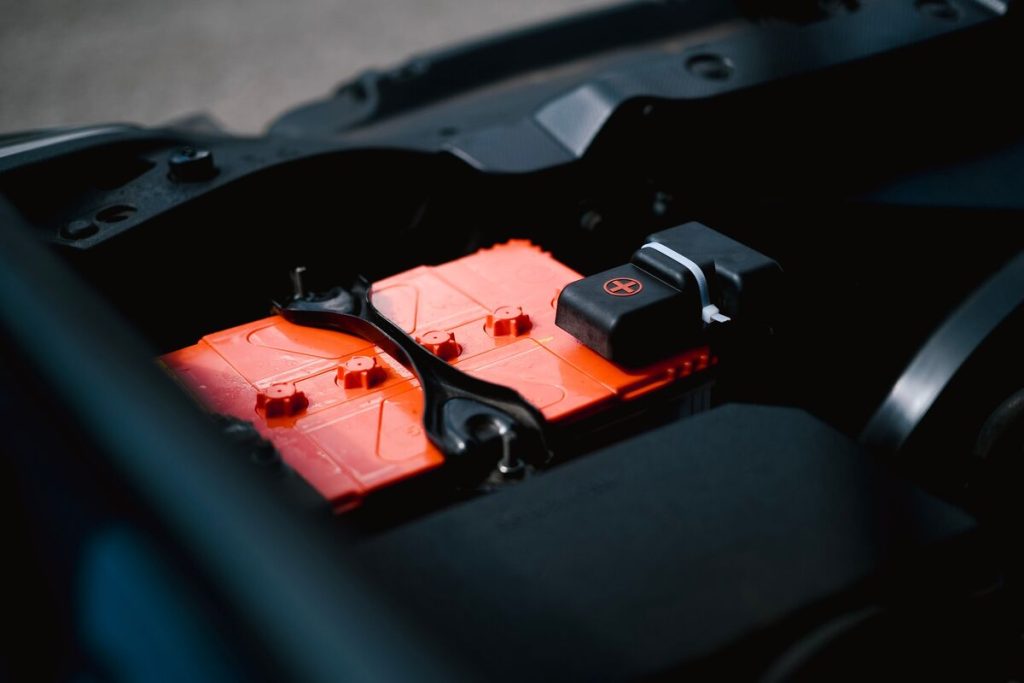
A dependable battery is essential for starting a vehicle and powering its electrical systems before the engine takes over. Many drivers do not think about battery health until the car struggles to start.
Battery life is influenced by climate, driving habits, electrical demand, maintenance, and battery type. Warning signs are not always obvious, so testing becomes increasingly important as the battery gets older.
The practical answer to how long do car batteries last also depends heavily on how and where the vehicle is used.
1. How Long Do Car Batteries Last?
Most conventional 12-volt car batteries last approximately three to five years. Some fail sooner, while others remain usable beyond five years under favorable conditions.
The answer to how long do car batteries usually last is therefore a general range rather than a guaranteed replacement date.
Temperature makes a major difference. Heat accelerates internal degradation, so batteries in hot regions may last closer to three years. Cooler conditions may allow some to last five years or longer, although severe cold can temporarily reduce starting power.
When considering how long do batteries last in a car, remember that the installation date matters. A battery that spent a long time in storage before installation may have less useful life remaining.


2. What Affects How Long a Car Battery Lasts?
Climate is one of the biggest factors. High temperatures increase internal wear, while cold weather places more strain on an aging battery during startup.
Driving habits matter too. Short trips may not give the alternator enough time to restore the energy used to start the engine. A vehicle that sits unused may also lose charge gradually as alarms, computers, and other electronics continue drawing power.
Other factors include:
- Loose, dirty, or corroded terminals
- A charging-system problem
- Lights or accessories left on
- High electrical demand
- Excessive vibration from a loose battery
- Using a battery that does not meet vehicle specifications
These variables explain why “how long do car batteries typically last” differs from one driver to another.
>>> Read more: How to Switch Car Insurance Without Losing Coverage?
3. Signs Your Car Battery May Be Near the End of Its Life
A weak battery often produces warning signs before total failure. One of the most common is slow engine cranking, especially after the vehicle has been parked overnight.
Other signs include:
- Dim or flickering headlights
- Clicking when the ignition is turned
- Electrical settings that reset unexpectedly
- A battery or charging-system warning light
- Corrosion around the terminals
- A swollen or cracked battery case
- Frequent jump-starts
A sulfur-like smell near the battery may indicate leakage or internal damage. Do not touch a leaking or badly swollen battery. Arrange professional inspection because battery acid and gases can be hazardous.
4. How Can You Tell How Much Life Is Left in a Car Battery?
A visual inspection can reveal corrosion, loose connections, cracks, swelling, or leaks, but it cannot measure remaining capacity. A professional battery test is more useful because it evaluates how well the battery holds a charge and performs under load.
Check the date code or installation label to estimate age. Once the battery reaches about three years old, regular testing becomes more important. Testing before extreme weather or a long road trip can identify weakness before it causes a no-start situation.
A voltage check may show the current state of charge, but it does not always predict how long do car batteries last from that point. Charging-system problems can also mimic battery failure. If a recently replaced battery repeatedly loses charge, the alternator, wiring, or an electrical drain may be responsible.
5. How to Make a Car Battery Last Longer?
You cannot stop normal aging, but several habits may help:
- Drive regularly and include trips long enough for recharging
- Turn off lights and accessories before leaving the car
- Keep terminals clean and securely connected
- Make sure the battery is firmly mounted
- Address slow starting or electrical issues early
- Use a battery maintainer for vehicles stored for long periods
- Test the battery and charging system periodically
Parking in a garage or shaded area may reduce heat exposure. Following the manufacturer’s battery specifications is also important. A battery with the wrong size or power rating may perform poorly.
Good care cannot guarantee how long do car batteries last, but it can reduce preventable strain.
>>> Read more: Free Car Repair for Low-Income Families: Where to Find Help With Vehicle Repairs?
6. When Should You Replace a Car Battery?
Consider replacement when testing shows the battery can no longer hold an adequate charge or deliver sufficient starting power. Do not wait for complete failure if the battery is already three to five years old and showing repeated warning signs.
Immediate replacement or professional inspection may be needed when the case is swollen, cracked, or leaking. Frequent jump-starts, slow cranking, and recurring electrical problems are also strong reasons to test it.
When buying a replacement, check the owner’s manual for the correct group size, cold-cranking capability, terminal position, and battery technology. Vehicles with start-stop systems may require an enhanced flooded or AGM battery.
7. Car Battery vs Electric Vehicle Battery: What’s the Difference?
A conventional car battery is usually a small 12-volt lead-acid battery used to start the engine and support electrical equipment. An electric vehicle uses a much larger rechargeable traction battery to power the motor. Most EVs also have a separate low-voltage battery for accessories.
So, how long do electric car batteries last?
EV traction batteries commonly carry warranties of about eight years or 100,000 miles. The New York Times stated that electric vehicle battery packs’ lifespan may range upward from 7 years.
In fact, federal energy resources indicate that modern EV batteries may last about 12 to 15 years in moderate climates, and 8 to 12 years in extreme climates.
Unlike a traditional starting battery, an EV battery usually loses capacity gradually. The vehicle may still operate, but its maximum range can decline over time.
Final Thoughts
For most drivers asking how long do car batteries last, three to five years is a useful planning range. Heat, short trips, inactivity, electrical drain, and charging problems can shorten it.
Watch for slow starts, dim lights, corrosion, warning indicators, and repeated jump-starts. Once the battery reaches about three years of age, periodic testing is more useful than age alone.
Knowing how long car batteries last and responding to warning signs can help you replace the battery before the vehicle leaves you stranded.