


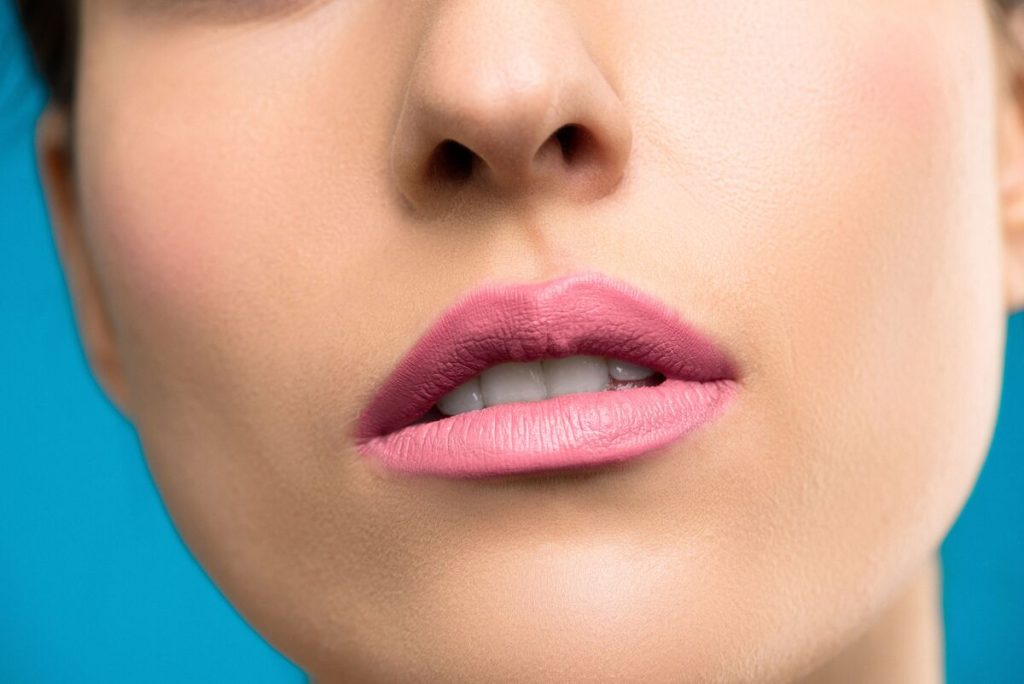
Lip filler can create immediate volume, but the appearance you see right after treatment is not the final result. Swelling, tenderness, and bruising can temporarily make the lips look fuller or less even during the first several days.
So, how long does lip filler last?
1. How Long Does Lip Filler Last?
For most people, the answer to how long does lip filler last is approximately 12 to 18 months, according to Cleveland Clinic. However, lip filler is not permanent, and the visible volume gradually decreases as the body absorbs the material.
Most modern lip fillers are made with hyaluronic acid, a substance that naturally occurs in the body and helps attract water. Lip-filler longevity can vary depending on age and how quickly an individual metabolizes calories and filler material.


The product used also matters. Dermal fillers vary in composition, thickness, and intended treatment area. Hyaluronic acid filler results may last from around six months to a year depending on the product and treatment location, while its lip-specific guidance gives a typical 12-to-18-month range.
This means how long does lip filler last should be treated as a range rather than an exact expiration date. The lips do not usually return to their original appearance overnight. Instead, volume generally fades progressively.
2. What Affects How Long Lip Filler Results Last?
Several factors can influence how long the visible result remains.
The first is the filler formulation. Hyaluronic acid fillers differ in concentration, cross-linking, and physical characteristics, so two products may not behave exactly the same way after injection.
Individual biology also plays a role. Age and metabolism are factors affecting how long does lip filler last. Someone whose body breaks down the material relatively quickly may notice fading earlier than another person receiving a similar treatment.
The amount injected and the area treated can also influence the visible result. A small enhancement may appear to fade sooner simply because there is less additional volume to begin with.
3. How Long Does Lip Filler Swelling Last?
If you are wondering how long does lip filler swelling last, mild swelling is expected after injection. It is pointed out that swelling usually improves within 24 to 48 hours, although it can sometimes take as long as a week to resolve.
Normal Swelling Timeline
Immediately after treatment, the lips may look noticeably fuller than expected. Tenderness, sensitivity, redness, and bruising can occur at the injection sites.
During the first one to two days, swelling may still be prominent. This can make the lips look temporarily uneven because one side may react more strongly than the other.
By the following several days, swelling should generally be trending downward rather than becoming progressively worse. Cleveland Clinic notes that it may take up to one week for swelling to fully settle in some patients.
So, how long does swelling last after lip filler varies, but improvement within the first few days is a more useful sign than expecting the lips to look completely normal after 24 hours.
When the Final Result Becomes Clear?
The immediate appearance is not the best time to judge symmetry or final volume.
Providers often schedule a follow-up around two weeks after treatment to assess the lips after healing.
That makes the two-week point a more practical time to evaluate whether the shape and volume match expectations. Mild residual changes can still vary from person to person, but much of the early swelling and bruising should have improved by then.
Understanding this timeline is important when considering how long does lip filler last, because the long-term result should be judged after early treatment-related swelling has settled.
Ways to Reduce Mild Swelling
It is recommended to apply an ice pack for up to about 10 minutes at a time to help reduce swelling, inflammation, and discomfort.
You should also avoid strenuous exercise for at least 24 hours after treatment.
>>> Read more: How to Remove Gum from Hair? 3 Safe Ways Without Cutting It
4. What Is Normal After Lip Filler and What Is Not?
Knowing the difference between expected recovery and an urgent complication is more important than focusing only on how long does lip filler last.
Common Temporary Reactions
Mild redness, swelling, tenderness, and bruising are recognized temporary filler reactions. These side effects often clear within 7 to 14 days, if not earlier.
That guidance is also useful for how long does bruising last after lip filler. Small bruises may fade relatively quickly, while more visible bruising can remain for several days and sometimes approach the one-to-two-week range.
Warning Signs That Need Urgent Medical Attention
Rare but serious filler complications can occur if filler enters or blocks a blood vessel. Unintended intravascular injection can be a serious risk that can result in skin necrosis, damage to underlying structures, vision impairment or blindness, and stroke.
Seek urgent medical attention if you develop symptoms such as severe or rapidly worsening pain, significant color changes in the skin or lips, unusual blanching or pallor, or any visual disturbance after filler treatment.
Visual disturbances, particularly when accompanied by pain or weakness on one side of the body, require immediate medical attention.
Severe swelling, increasing redness, warmth, drainage, fever, or worsening pain can also indicate a complication such as infection and should be assessed promptly.
These symptoms should not be treated as normal swelling simply because the procedure was recent.
>>> Read more: How Much Weight Can You Lose In A Month? Real Numbers, Risks & Best Approach
Final Thoughts
So, how long does lip filler last? A typical lip-filler result lasts about 12 to 18 months, although individual results vary based on the filler used, metabolism, age, amount injected, and other factors.
Recovery happens on a much shorter timeline. Mild swelling often improves within 24 to 48 hours but may take up to a week, while bruising and other minor reactions may take roughly 7 to 14 days to disappear.
The most important distinction is the direction of recovery. Mild swelling, bruising, and tenderness that gradually improve are common. Severe pain, concerning skin-color changes, visual symptoms, or worsening inflammation need prompt medical evaluation.