


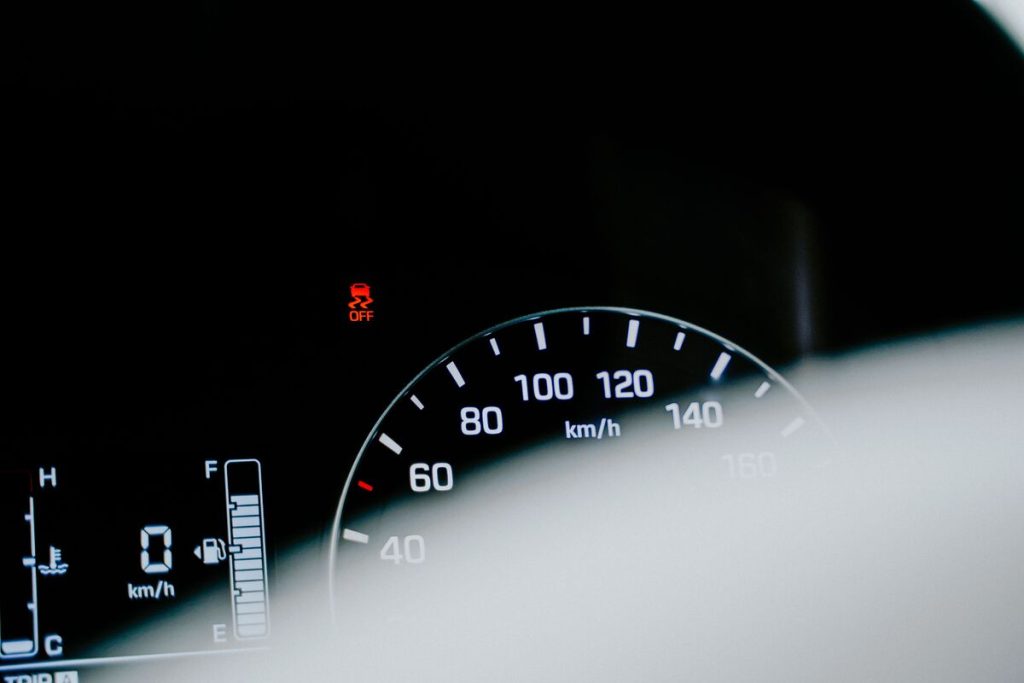
Engine oil plays a critical role in keeping your vehicle running smoothly. It lubricates moving parts, helps reduce friction, assists with temperature control, and protects the engine from excessive wear. Even the best engine can experience serious problems if oil levels drop too low.
Fortunately, checking your oil is one of the simplest vehicle maintenance tasks you can perform at home. Understanding how to check oil level in car can help identify potential issues early and may prevent expensive repairs down the road.
Whether your vehicle uses a traditional dipstick or a modern electronic monitoring system, knowing how to monitor oil levels is an important skill for every driver.
1. How to Check Engine Oil Level in Car Using the Dipstick?
Many vehicles still use a traditional dipstick to measure engine oil.
Before beginning, park the vehicle on a level surface and turn off the engine. Most manufacturers recommend waiting several minutes to allow the oil to drain back into the oil pan before checking the level.
The process typically includes:
- Open the hood.
- Locate the engine oil dipstick.
- Remove the dipstick completely.
- Wipe it clean using a lint-free cloth.
- Reinsert the dipstick fully.
- Remove it again and inspect the oil level.
Most dipsticks include markings such as: MIN, LOW, ADD, MAX or FULL. The oil level should generally fall between the minimum and maximum marks.
The National Highway Traffic Safety Administration (NHTSA) recommends regularly checking fluid levels as part of routine vehicle maintenance. When learning how to check oil level in car, it is also important to inspect the oil itself.
Healthy engine oil is typically:
- Smooth in appearance
- Amber to dark brown in color
- Free from metal particles
If the oil appears unusually dirty, milky, or contains debris, additional inspection may be necessary.
Checking the dipstick remains one of the most reliable methods for how to check the oil level in your car, especially on older vehicles.


2. How to Check Oil Level in a Car Without a Dipstick?
Use the Dashboard Oil Level System
Some modern vehicles include a dedicated oil level display within the instrument cluster.
If you want to know how to check oil level in car on dashboard, here are the steps to follow:
- Park on level ground.
- Turn the engine off if required by the manufacturer.
- Access the vehicle information menu.
- Locate the oil level section.
Depending on the vehicle, the system may display messages such as Oil OK, Full, or Low, while some models provide percentage-based readings or graphical indicators that help drivers evaluate the current oil level more accurately.
For owners of modern vehicles, checking oil level on the car dashboard can be quicker and more convenient than relying on a traditional dipstick.
Many manufacturers, including BMW and Mercedes-Benz, equip their vehicles with electronic oil monitoring systems designed to provide accurate oil level information when used according to the manufacturer’s guidelines.
>>> Read more: How to Remove a Stripped Screw: 8 Methods That Actually Work (2026)
Access Oil Status Through the Car’s Menu
In some vehicles, oil information is available through the infotainment screen rather than the instrument cluster.
The menu path may look something like:
- Vehicle Information
- Service
- Maintenance
- Oil Level
Because menu layouts vary between brands, methods to checking oil level in a car electronically may differ from one vehicle to another.
Even with advanced monitoring systems, regular checks remain an important part of vehicle maintenance.
3. What to Do If Your Oil Level Is Low?
Discovering low oil does not necessarily mean there is a serious problem, but it should be addressed promptly.
Ignoring low oil levels can increase engine wear and potentially cause costly damage.
Understanding how to check oil level in car is only part of the process; knowing how to respond is equally important.
Add the Correct Type of Engine Oil
Always use the oil grade specified by the manufacturer.
The owner’s manual typically lists:
- Oil viscosity
- Required specifications
- Recommended oil types
Adding the wrong oil may affect performance and engine protection.
If the oil level is below the recommended range, add small amounts gradually and recheck the level frequently.
Avoid Overfilling
Many drivers assume more oil is better, but excessive oil can create its own problems.
Overfilling may cause:
- Increased pressure
- Oil foaming
- Seal damage
- Reduced engine efficiency
One reason how to check oil level in car matters so much is that accurate measurement helps prevent both low-oil and overfilled conditions.
The Car Care Council notes that maintaining proper fluid levels is essential for overall vehicle reliability and performance.
Monitor for Leaks or Burning Oil
If the oil level drops repeatedly, the engine may be losing oil through leaks or consumption.
Potential warning signs include:
- Oil spots beneath the vehicle
- Burning oil smell
- Blue exhaust smoke
- Frequent low-oil readings
In these situations, professional diagnosis may be necessary.
Regularly checking your car’s oil level can help identify these issues before they become more serious.
>>> Read more: How to Fix GPS Not Working on Your Phone (Easy Step-by-Step Guide 2026)
4. FAQs
How Often Should I Check My Engine Oil?
Many mechanics recommend checking engine oil at least once a month and before long road trips. Vehicles with higher mileage may require more frequent checks.
Can I Check Oil Immediately After Turning Off the Engine?
It is generally better to wait several minutes so the oil can drain back into the oil pan and provide a more accurate reading.
What Happens If My Oil Level Is Too Low?
Low oil can increase friction, accelerate engine wear, reduce cooling efficiency, and potentially lead to severe engine damage.
Is Electronic Oil Monitoring More Accurate Than a Dipstick?
Both systems can provide accurate readings when used correctly. The method available depends on the vehicle’s design.
5. Final Thoughts
Knowing how to check oil level in car is one of the simplest and most valuable vehicle maintenance skills a driver can learn.
Whether your vehicle uses a traditional dipstick or a modern electronic monitoring system, routine checks can help protect engine performance and identify potential problems early. Understanding how to check engine oil level in car properly also makes it easier to respond quickly when oil levels begin to drop.
By regularly monitoring oil levels and using the correct oil when needed, how to check oil level in car becomes a simple habit that can contribute to a longer-lasting and healthier engine.