


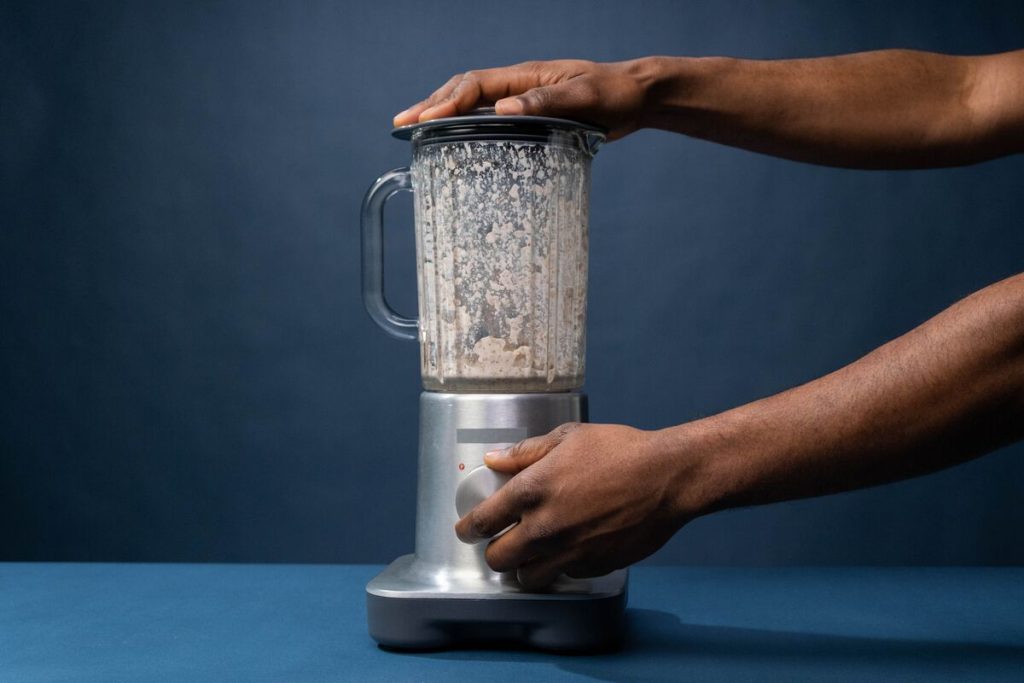
A blender can make everything from smoothies and protein shakes to soups and sauces, but it can also become one of the most difficult kitchen appliances to clean if food residue is left behind.
Dried ingredients often stick around the blades, strong odors can linger inside the jar, and improper cleaning may shorten the appliance’s lifespan. Fortunately, keeping a blender clean is usually much easier than many people expect.
Knowing how to clean a blender correctly can help prevent buildup, maintain performance, and keep your drinks and recipes tasting fresh.
1. How to Clean a Blender Step by Step?
The best approach is to clean the blender as soon as possible after each use. A few minutes of maintenance can prevent stubborn stains and residue from developing.


Rinse Immediately After Use
One of the simplest ways to improve how to clean a blender is to rinse the jar immediately after emptying it.
This helps prevent:
- Dried food residue
- Sticky ingredients
- Lingering odors
- Difficult-to-remove stains
Warm water is often enough to loosen most fresh ingredients before they have time to harden.
For smoothies, sauces, and protein shakes, immediate rinsing can significantly reduce cleaning time later.
Use Soap and Warm Water Blend Method
Many blender manufacturers recommend a quick self-cleaning method.
Follow these steps:
- Fill the blender halfway with warm water.
- Add a few drops of dish soap.
- Secure the lid.
- Blend for 20 to 30 seconds.
- Empty the contents.
This technique helps circulate soapy water around the jar and blades.
For everyday maintenance, this remains one of the most effective solutions for how to clean a blender without disassembling every component.
Many appliance manufacturers include similar cleaning recommendations in their official care instructions.
>>> Read more: How To Clean A Dishwasher Naturally: 5 Simple Steps That Work
Rinse and Air Dry Properly
Once you have finished washing the blender, rinse all parts thoroughly with clean water to remove any remaining soap residue. This step helps ensure that no detergent is left behind, which could affect the taste of future drinks or recipes.
After rinsing, place the jar, lid, and other removable components in a well-ventilated area and allow them to air dry completely before reassembling the appliance. Proper drying is just as important as washing because moisture trapped inside the blender can create unpleasant odors and encourage bacterial growth over time.
By making rinsing and drying part of your regular cleaning routine, you can keep the blender fresh, hygienic, and ready for its next use. This simple habit is an essential part of cleaning a blender effectively and maintain its performance over the long term.
2. How to Deep Clean a Blender When It’s Very Dirty?
Occasionally, a blender may require more than a quick rinse and soap cycle.
This often happens when:
- Food has dried inside the jar
- Strong odors remain
- Stains have developed
- The blender has not been cleaned immediately after use
For a deeper cleaning:
- Fill the jar with warm water.
- Add dish soap.
- Let the mixture soak for 15 to 30 minutes.
- Blend briefly.
- Scrub carefully if needed.
For stubborn odors, a mixture of water and white vinegar may help remove lingering smells.
The USDA recommends cleaning food-contact surfaces thoroughly after use to reduce food residue and contamination risks. When dealing with dried ingredients or stubborn buildup, how to clean a blender often requires a combination of soaking and gentle scrubbing.
3. Is There Any Difference When Cleaning Different Blenders?
Although most blenders follow similar cleaning principles, specific models may have different care requirements.
For example, how to clean a Ninja blender may vary slightly depending on the model and blade assembly design.
Always check the manufacturer’s instructions before cleaning unfamiliar appliances.
Clean Detachable Blades Carefully
Removable blades allow more thorough cleaning but require extra caution.
Sharp blade assemblies should be handled carefully to avoid injury.
Turning off and unplugging food preparation equipment before disassembling and cleaning it to reduce the risk of injuries from moving parts and sharp blades.
When detachable blades are available, they can make how to clean a blender easier by allowing access to areas that may otherwise trap food particles.
Use Dishwasher-Safe Parts if Applicable
Many modern blender jars, lids, and accessories are dishwasher safe.
However, not every component can safely go into a dishwasher.
Before using this method:
- Check the user manual
- Confirm dishwasher-safe labeling
- Follow manufacturer recommendations
For households that use blenders frequently, dishwasher-safe components can simplify how to clean a blender on a daily basis.
Clean the Base Without Water Exposure
The blender base contains the motor and electrical components, so it should never be placed in water or rinsed under a faucet.
To clean the base safely:
- Unplug the blender before cleaning.
- Use a slightly damp cloth to wipe away spills, splatters, or dust.
- Dry the surface completely with a clean towel.
Keeping moisture away from the motor housing helps protect the appliance from damage and supports long-term performance.
This step is especially important when learning how to clean a Ninja blender or any other high-powered countertop blender, as improper cleaning can affect both safety and functionality.
>>> Read more: Get Connected: Free Government Phone and Tablet for Low Incomes
4. FAQs
How to Clean a Beauty Blender?
A beauty blender requires a different cleaning process than a kitchen blender.
To clean a makeup sponge:
- Wet the sponge with warm water.
- Apply gentle soap or cleanser.
- Massage the product through the sponge.
- Rinse thoroughly.
- Allow it to air dry completely.
Proper cleaning helps remove makeup residue and bacteria.
What Is the Best Way to Clean a Blender?
For routine maintenance, the soap-and-warm-water blend method is usually the easiest and most effective option. It helps clean the jar and blades with minimal effort.
Can I Put Soap and Water in a Blender to Clean It?
Yes. In fact, this is one of the most commonly recommended methods for how to clean a blender after regular use.
Can You Wash a Blender in the Sink?
Yes, most blender jars and lids can be washed in the sink. However, electrical bases should never be submerged in water.
Final Thoughts
Regular maintenance makes how to clean a blender much easier than dealing with dried food residue later.
Simple habits such as rinsing immediately, using the soap-and-water blend method, and allowing components to dry properly can help keep your appliance in excellent condition. For tougher messes, deeper cleaning techniques may be necessary, especially when residue or odors have built up over time.