


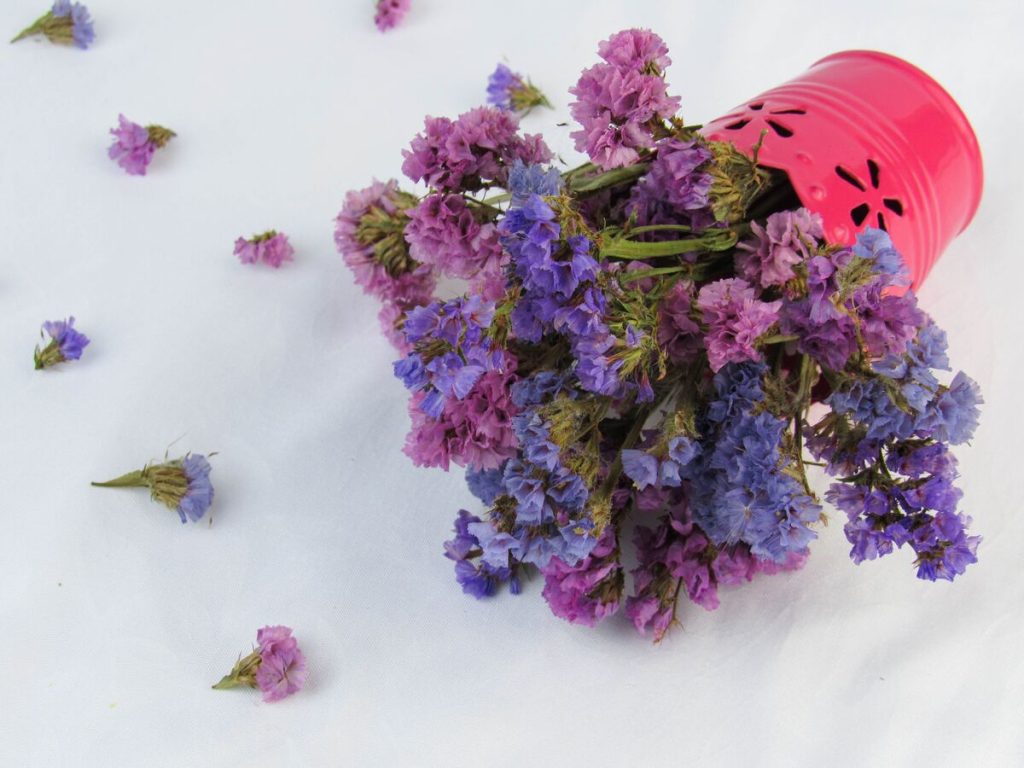
A bouquet that marked a special occasion, flowers from your garden, or even a single bloom with sentimental value can often be preserved long after the petals would normally fade.
The challenge is that not all flowers respond the same way to drying. Some retain their color beautifully, while others shrink, darken, or lose petals if the wrong method is used. Choosing the right technique is often the difference between a dried arrangement that looks decorative and one that looks past its prime.
Whether you want to create home décor, pressed flower art, or keepsakes, knowing how to dry flowers properly helps preserve their appearance for as long as possible.
1. Choose the Right Drying Method for Your Flowers
Before deciding how to dry flowers, consider the type of flower and the result you want to achieve. Some methods prioritize speed, while others focus on preserving color, shape, or delicate petals.
For example:
- Roses often dry well when hung upside down.
- Daisies and wildflowers are commonly pressed.
- Hydrangeas tend to respond well to air drying.
- Thick-petaled flowers may benefit from silica drying.
- Small decorative flowers often work well in the microwave.
A flower’s moisture content also matters. Flowers with thinner petals usually dry faster than blooms with dense, water-rich petals.
Choosing the correct method early can significantly improve the final result of how to dry flowers without excessive fading or distortion.


2. How to Dry Flowers at Home?
Several reliable methods can be used depending on the type of flower and the amount of time available.
Drying Flowers in the Microwave or Oven
When speed is the priority, microwave drying is often the quickest solution.
This method is particularly useful for daisies, small roses, lavender, chrysanthemums, craft flowers.
For how to dry flowers in the microwave, follow these steps:
- Step 1: Place the flowers in a microwave-safe container.
- Step 2: Cover them with silica gel.
- Step 3: Leave a small opening for moisture to escape.
- Step 4: Microwave on low power for short intervals.
- Step 5: Check the flowers frequently.
- Step 6: Allow them to cool before removing the silica.
The University of Missouri Extension notes that silica gel is one of the most effective materials for preserving flower shape and color during accelerated drying.
Although some people use ovens, microwave drying generally offers more control and reduces the risk of scorching delicate petals.
For projects with a tight timeline, how to dry flowers quickly often starts with microwave drying.
Drying Flowers by Hanging Them Upside Down
This is one of the oldest and most popular flower-preservation methods.
To use this technique:
- Remove excess leaves.
- Gather flowers into small bundles.
- Secure stems with string or rubber bands.
- Hang upside down in a dark, dry, well-ventilated location.
Air drying works particularly well for: Roses; Lavender; Baby’s breath; Statice; Strawflowers; …
The drying process typically takes between one and three weeks depending on humidity and flower type.
Many decorative arrangements are created using this approach because it preserves the natural shape of the flower relatively well.

Drying Flowers with Desiccant (Silica)
Silica gel drying is often chosen when appearance matters most. Unlike air drying, silica helps support the petals while moisture is removed.
With this method, the results you can get are:
- Better color retention
- Less petal shrinkage
- Improved shape preservation
Because silica minimizes collapse during drying, it remains one of the most effective techniques for how to dry flowers while maintaining a fresh-looking appearance.
Pressing Flowers
Unlike hanging or silica drying, pressing intentionally flattens the flowers.
The resulting preserved flowers often work best for decorative craft projects rather than three-dimensional displays.
The method is quite easy. You just need to place blooms between absorbent paper and apply consistent pressure using a heavy book or flower press.
>>> Read more: How to Clean Leather Couch: Safe Methods to Restore Any Type (2026)
3. How Long Will Dried Flowers Last?
The lifespan of dried flowers depends largely on storage conditions.
Once you have successfully dried the flowers, proper storage often becomes the most important factor in preservation. Light, humidity, and temperature are among the primary factors affecting the longevity of preserved plant materials.
Properly preserved flowers may last:
- Several months for casual displays
- One to three years for decorative arrangements
- Even longer when stored away from sunlight and moisture
4. What Flowers Hold Their Color Best When Dried?
Some flowers naturally retain color better than others.
Among the most reliable choices are:
- Statice
- Strawflowers
- Globe amaranth
- Lavender
- Celosia
- Baby’s breath
These flowers are frequently used in commercial dried arrangements because they tend to maintain their appearance longer than many soft-petaled varieties.
Flowers with naturally vibrant colors often produce the most attractive results when preserved.
Selecting flowers known for color retention can improve the outcome of how to dry flowers, especially for long-term decorative use.
5. FAQs
How Long Does It Take to Dry Flowers Naturally?
Most flowers require between one and three weeks when air-dried, although humidity and flower size can affect drying time.
Which Flowers Dry the Best?
Lavender, statice, strawflowers, baby’s breath, and globe amaranth are among the easiest flowers to dry successfully.
Can All Flowers Be Pressed?
Most flowers can be pressed, but thinner flowers generally produce better results than thick, moisture-heavy blooms.
>>> Read more: How to Waterproof a Tent: Complete Guide to Staying Dry on Any Trip (2026)
Final Thoughts
A successful flower-preservation project begins with selecting the right drying method for the type of bloom you want to save. Air drying, silica drying, pressing, and microwave drying each offer different advantages depending on whether speed, color retention, or shape preservation is the priority.
From decorative bouquets to craft projects, how to dry flowers can be adapted to fit almost any purpose. With a little patience and proper storage, dried flowers can continue serving as meaningful keepsakes long after fresh blooms would normally fade.