


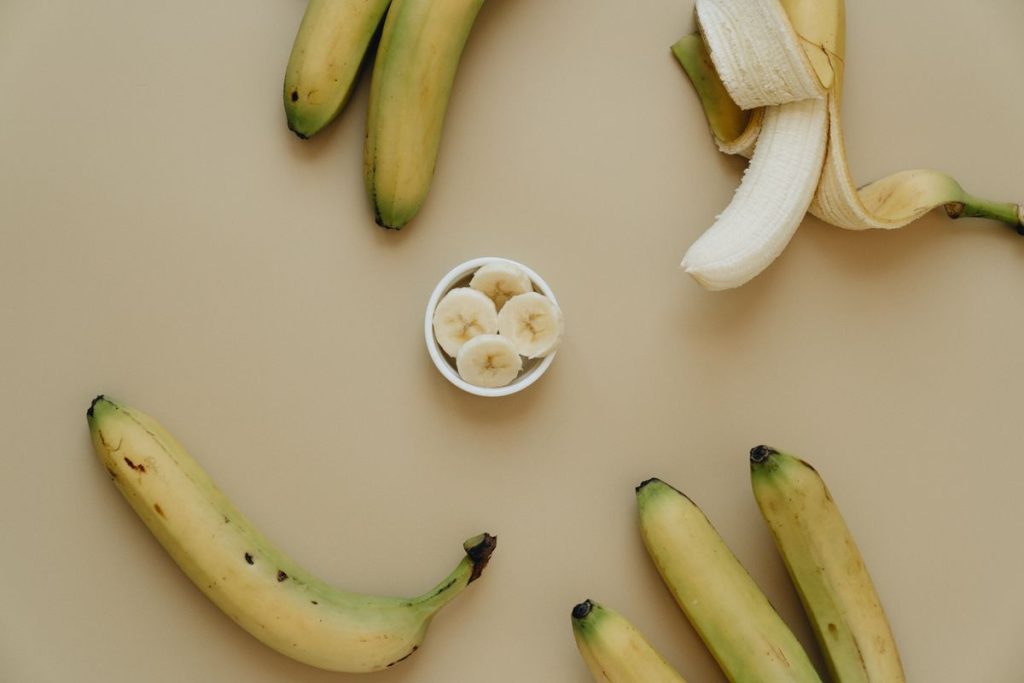
Bananas can move from perfectly ripe to overly soft in just a few days. Freezing them at the right time helps reduce food waste and keeps a convenient ingredient ready for smoothies, baking, oatmeal, and frozen desserts.
Learning how to freeze bananas is simple, but a few preparation steps can significantly improve the final quality. Peeling the fruit, choosing the right portion size, and limiting air exposure will make frozen bananas easier to use later.
The best method depends on what you plan to make. Banana slices work well for smoothies, while mashed or whole bananas may be more convenient for banana bread.
1. How to Freeze Bananas the Right Way?
The basic process for how to freeze bananas begins with choosing fruit that is ripe but not spoiled. Yellow bananas with brown spots are usually sweet, flavorful, and suitable for freezing. Avoid fruit with mold, leaking liquid, or a fermented smell.
Start by peeling the bananas. Although unpeeled bananas can technically be frozen, their skins turn dark and become difficult to remove after freezing. Peeling them first saves time and makes portioning easier.
Next, choose the form that matches how you plan to use the fruit. The detailed preparation methods will vary, for example:
- Slice bananas for smoothies and quick blending
- Cut them in half for larger portions
- Leave them whole for baking
- Mash them for banana bread, muffins, or pancakes
For slices or pieces, arrange the bananas in a single layer on a parchment-lined tray. Make sure the pieces do not touch. Place the tray in the freezer until the fruit becomes firm, usually for a few hours.
This tray-freezing step prevents the pieces from forming one large frozen block. Once firm, transfer them to a freezer-safe bag or airtight container. Remove as much air as possible before sealing.
Label the package with the date and portion size. For example, you might write “one banana for smoothie” or “two cups mashed banana for bread.” Clear labels make recipe preparation much faster.
If you are wondering how to freeze bananas without turning brown, some color change is normal and does not necessarily mean the fruit has spoiled. Limiting exposure to air is the most practical way to reduce discoloration. Use airtight packaging and press excess air from freezer bags.
For mashed bananas, the National Center for Home Food Preservation recommends adding ascorbic acid to help protect color. A small amount of lemon juice may also slow browning, although it can slightly change the flavor.
2. How to Freeze Ripe Bananas for Different Uses
The right preparation method depends on whether the bananas will be blended, baked, or used as a topping. Planning before freezing prevents unnecessary thawing and cutting later.
How to Freeze Ripe Bananas?
For anyone researching how to freeze ripe bananas, the ideal fruit should be soft and sweet but still safe to eat. Brown spots on the peel usually indicate ripeness, while mold or an unpleasant fermented odor suggests the banana should be discarded.
Peel the bananas and decide whether to freeze them whole, sliced, or mashed. Whole bananas are convenient when recipes call for a specific number of bananas. Mashed bananas are useful when you already know the amount needed for a favorite recipe.
To freeze mashed bananas:
- Peel and mash the fruit thoroughly.
- Measure it into recipe-sized portions.
- Place each portion in a freezer-safe container.
- Leave a small amount of space for expansion.
- Seal, label, and freeze promptly.
This method works especially well if you want to know how to freeze bananas for banana bread. Write the measurement directly on the container so you do not need to estimate after thawing.
Thawed bananas release liquid and develop a softer texture. For baking, include this liquid unless the recipe specifically says otherwise. It contains banana flavor and moisture that may be useful in the finished bread.
>>> Read more: How to Keep Avocados From Browning: 3 Proven Tips
How to Freeze Bananas for Smoothies?
The easiest method for freezing bananas for smoothies is to cut peeled fruit into slices or small chunks.
Arrange the pieces on a tray and freeze them until solid. Transfer them to an airtight bag and divide them into single-smoothie portions if desired.
Frozen banana pieces can usually go directly into a blender without thawing. Smaller pieces are easier to blend and put less strain on the appliance than an entire frozen banana.
A typical portion may include half or one whole banana, depending on the recipe. You can prepare individual smoothie packs by combining the frozen banana with berries, mango, spinach, or other freezer-friendly ingredients.
Avoid placing fresh banana slices directly into one large bag before freezing. They may stick together and become difficult to separate. Tray freezing adds one extra step, but it makes freezing bananas for daily smoothies much more convenient.


3. How Long Do Frozen Bananas Last?
According to the USDA frozen food safety guidelines, food kept continuously at 0°F or below remains safe for a long period, but quality gradually declines within several months.
Bananas stored too long may develop:
- Freezer burn
- Dry or pale areas
- Ice crystals inside the package
- Reduced flavor
- Strong freezer odors
- Darker color
These changes usually relate to quality rather than immediate safety, provided the bananas remained continuously frozen and were handled correctly.
Packaging has a major effect on storage quality. Thin bags, loose lids, and excess air allow moisture to escape from the fruit. Use moisture- and vapor-resistant freezer bags or containers, remove excess air, and seal the package securely.
Keep the freezer at 0°F or below. Do not overload it with large amounts of unfrozen food at once because cold air needs space to circulate around newly added packages.
Label every package. Without a date, it is easy to forget how long the fruit has been stored. Using the oldest bananas first helps maintain quality and reduce waste.
Once thawed, bananas should be used promptly. Their soft texture makes them better for blending and baking than for eating like fresh fruit.
Understanding storage quality is an important part of how to freeze bananas successfully. Proper packaging matters just as much as the initial preparation.
4. Best Ways to Use Frozen Bananas
Frozen bananas are versatile, although their softer texture after thawing means they are not ideal for every purpose.
Useful options include:
- Smoothies and protein shakes
- Banana bread and muffins
- Pancakes and waffles
- Oatmeal
- Homemade frozen desserts
- Yogurt bowls
- Fruit sauces
- Baking recipes that require mashed banana
For smoothies, use the fruit directly from the freezer. Frozen banana adds thickness, sweetness, and a creamy texture without requiring ice.
For banana bread, muffins, or pancakes, thaw the required portion in the refrigerator or in a sealed container at room temperature for a short period. Mash whole pieces after thawing if necessary.
Frozen banana can also be blended into a simple dessert. Process frozen slices until smooth, adding a small amount of milk or yogurt if needed. Cocoa powder, peanut butter, berries, or cinnamon can add flavor.
Banana slices used as toppings may become soft quickly, so add them shortly before serving. For baking, the change in texture is usually not a problem because the fruit will be mashed or incorporated into batter.
Learning how to freeze bananas in recipe-sized portions makes all of these uses easier. You can take out only what you need instead of thawing an entire container.
>>> Read more: How to Cut a Pineapple: The Easiest Way to Slice, Core, and Serve It
Final Thoughts
The best approach to how to freeze bananas is to peel them, portion them according to their future use, and seal them in freezer-safe packaging.
Slices are convenient for smoothies, while whole or mashed bananas work well for baking. Tray freezing prevents pieces from clumping, and airtight storage helps reduce browning and freezer burn.
Although frozen bananas lose the firm texture of fresh fruit, they remain useful for many recipes. Following these simple steps can reduce waste and keep a naturally sweet ingredient available whenever you need it. Update the latest news on AirTalk Wireless blog for more useful guides about technology, daily tips, government support, free phone, and more!