


Orthodontic care can significantly improve oral health, speech, and overall quality of life. However, braces are often expensive, leaving many families wondering how to get free braces with Medicaid and whether the program actually covers orthodontic treatment. Our guide explains what Medicaid really covers, who qualifies, how age affects eligibility, and what options exist if you don’t have money for braces.
1. Can You Really Get Free Braces with Medicaid?
The short answer is: yes, but only in specific situations. Medicaid does not automatically cover braces for everyone. Coverage depends on medical necessity, age, and state-specific Medicaid rules.
In most states, how to get free braces with Medicaid is possible primarily for children and teens when braces are deemed medically necessary, not cosmetic. For adults, full orthodontic coverage is much more limited and often unavailable.
Understanding this distinction is critical before beginning the Medicaid orthodontic approval process.
2. What Qualifies for Free Braces Under Medicaid?

To qualify, braces must be considered medically necessary, not optional. So, “What qualifies for free braces?” Generally, Medicaid looks for serious oral health conditions, such as:
- Severe malocclusion affecting chewing or speech
- Jaw growth abnormalities
- Cleft lip or palate
- Trauma-related dental misalignment
- Conditions causing pain, infection, or functional impairment
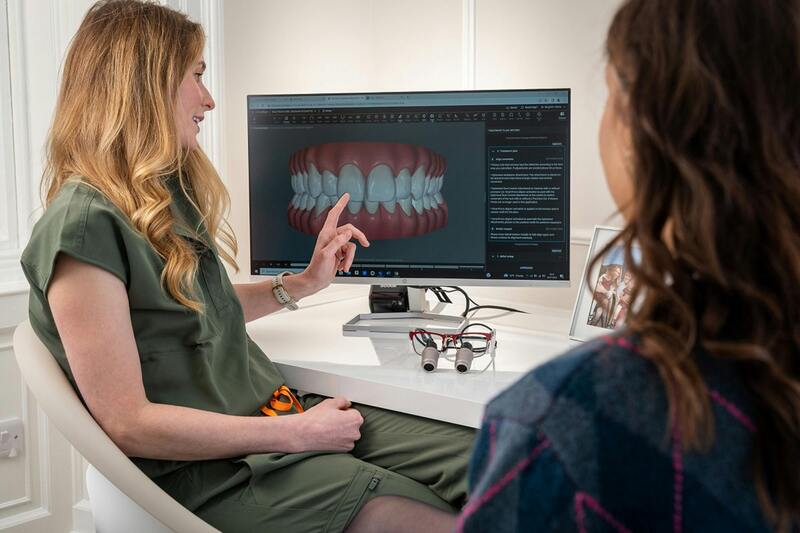
A licensed dentist or orthodontist must document that braces are required to prevent long-term health complications. Cosmetic alignment alone does not meet Medicaid standards for how to get free braces with medicaid.
3. Age Matters: Children vs Adults on Medicaid Braces Coverage
Age plays a major role in whether Medicaid will cover orthodontic treatment.
Why Medicaid Covers Braces More Often for Children
Under federal law, Medicaid must provide children with comprehensive dental services through the Early and Periodic Screening, Diagnostic, and Treatment (EPSDT) benefit.
EPSDT requires states to cover medically necessary orthodontic care for eligible children under 21. This is why how to get free braces with Medicaid is far more achievable for minors than adults.
If braces are required to correct a serious dental issue that affects health or development, Medicaid is obligated to cover them for children.
How Much Do You Have to Pay for Braces as an Adult?
For adults, orthodontic coverage is optional and varies by state. In many cases, Medicaid does not cover braces for adults at all.
So, how much do you have to pay for braces as an adult? Without coverage, costs typically range from:
- $3,000 to $7,000 for traditional braces
- Higher for clear aligners or complex cases
In rare cases where adult braces are covered, approval usually requires extreme medical necessity, such as reconstructive jaw treatment.
4. How to Get Braces If You Don’t Have Money?
If Medicaid does not cover your braces, you still have options. Many people searching “How to get braces if you don’t have money” consider alternatives such as:
- Dental schools offering reduced-cost orthodontic care
- Nonprofit dental clinics
- Payment plans through orthodontists
- Charitable programs for children with craniofacial conditions
While these options may not fully eliminate costs, they can significantly reduce the financial burden if free braces with Medicaid are not possible in your case.
5. Step-by-Step: How to Request Braces Coverage Through Medicaid
If you believe braces are medically necessary, follow these steps carefully:
Step 1: Schedule a Dental Evaluation
If you are researching how to get free braces with Medicaid, it is important to understand that approval depends on medical necessity and proper documentation. If you believe braces are medically necessary, follow these steps carefully
Step 2: Obtain Medical Documentation
To move forward, your provider must submit detailed documentation, including X-rays, treatment plans, and clinical notes. These records must clearly demonstrate that braces are required for functional or medical reasons, such as bite problems, jaw alignment issues, or other health-related concerns.
Step 3: Submit Prior Authorization
After the orthodontist determines that braces are medically necessary, the provider must submit a prior authorization request to Medicaid.
his request typically includes diagnostic records such as X-rays, dental impressions, treatment plans, and clinical notes explaining why braces are required for functional or medical reasons.
Step 4: Wait for Medicaid’s Decision
Once the prior authorization is submitted, Medicaid reviews the request to determine whether the treatment meets medical necessity guidelines.
Review timelines vary by state and case complexity. If approved, Medicaid will specify which orthodontic services are covered, the duration of coverage, and any limitations. If denied, applicants typically have the right to appeal the decision by providing additional medical evidence.
Understanding this review stage is an important part of navigating how to get free braces with Medicaid successfully.
Step 5: Begin Treatment with an Approved Provider
If authorization is granted, orthodontic treatment must be completed by a Medicaid-participating orthodontist. Treatment cannot begin before approval, and switching providers may require additional authorization.
6. Extra Support for Medicaid Patients: Free Phone Access for Better Care
Managing orthodontic care requires consistent communication, appointment reminders, treatment updates, and emergency contact with providers. For patients learning how to get free braces with Medicaid, staying connected plays a critical role throughout the approval and treatment process.
Medicaid and the Lifeline Program
Medicaid is a qualifying program for the federal Lifeline program, administered by the Federal Communications Commission (FCC). If you are enrolled in Medicaid, you may also qualify for a free phone with Medicaid through Lifeline.
This additional support can be especially helpful for individuals navigating how to get free braces with Medicaid, where timely communication often affects approval and treatment timelines.
Lifeline benefits typically include:
- A free or discounted smartphone
- Free monthly talk, text, and data
- Nationwide coverage
How AirTalk Wireless Helps Medicaid Users
AirTalk Wireless is a Lifeline-approved provider that helps Medicaid recipients stay connected without extra costs. For individuals navigating orthodontic care, this can be essential.
With AirTalk Wireless, eligible users may receive:
- A free smartphone
- No monthly bills
- Reliable access to healthcare communication
If you are working through how to get free braces with Medicaid, having a free phone ensures you never miss:
- Orthodontist appointments
- Authorization updates
- Follow-up care instructions
For many low-income families, combining Medicaid coverage with a free phone with Medicaid creates a complete support system, healthcare access plus reliable communication.
>>> Read more: Medicaid Dentist Near Me: Covered Dental Care and Extra Benefits You May Qualify For
Final Thoughts
Understanding how to get free braces with Medicaid requires realistic expectations. Medicaid does cover braces, but primarily for children and only when medically necessary. Adult coverage is limited, but alternatives exist for those without money.
By following the correct steps, gathering proper documentation, and using additional support programs like Lifeline and AirTalk Wireless, eligible individuals can reduce barriers to orthodontic care and stay connected throughout the treatment process.