


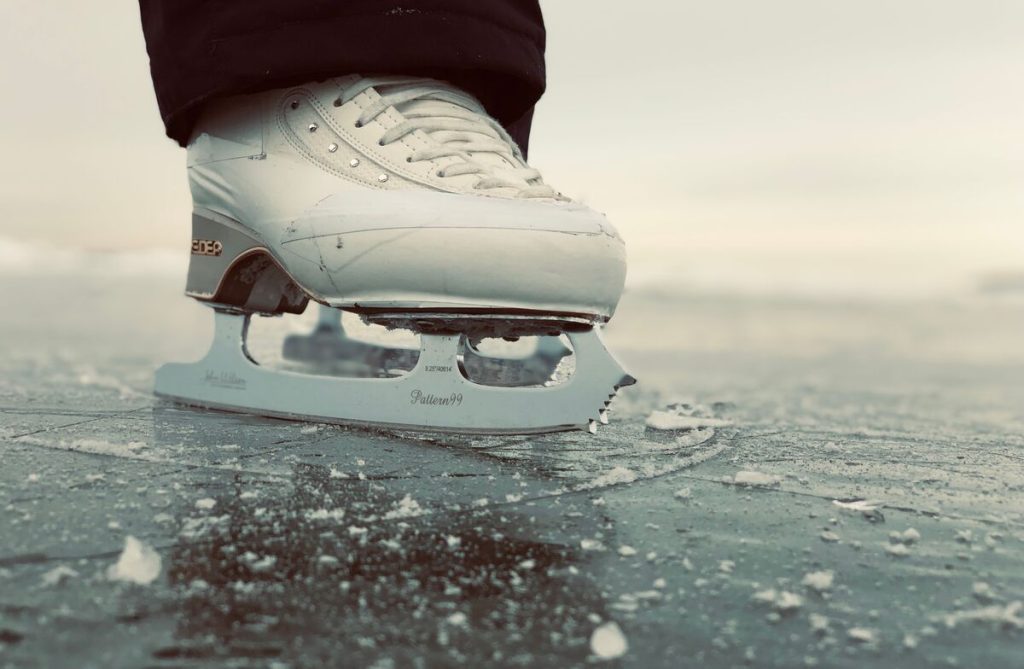
Stepping onto the ice for the first time can feel less like sport and more like standing on a moving sidewalk. Your ankles wobble, your arms fly out for balance, and every push forward seems to end in a slow slide toward the boards. That wobble is normal, and it’s also exactly where most people get stuck when they’re figuring out how to ice skate on their own.
This guide on how to ice skate for beginners breaks the process into a few manageable pieces: how to stand, how to move, how to stop, and which habits quietly slow everyone down.
1. How to Ice Skate? Build Balance and Control
Before any gliding or spinning, the real foundation of how to ice skate comes down to four things: stance, stepping, gliding, and stopping.
Skip ahead too fast and balance never really sets in, which is why rinks and skating programs teach these in order rather than throwing beginners straight into laps around the ice.
Begin With a Stable Stance on the Ice
Start by bending your knees slightly rather than standing with legs locked straight. A soft bend lowers your center of gravity and gives your ankles something to work with instead of fighting the blade on their own.
Keep your feet about shoulder-width apart, then practice shifting your weight from one foot to the other while standing still. This small drill trains the muscles you will rely on the moment you start moving, and it’s far less intimidating than trying to glide before your legs know what “balanced” feels like.
Start With Small Marching Steps
Once the stance feels steady, get comfortable moving on the blades by marching in place, then marching forward in short steps; eight to ten is plenty for a first session.
The goal here is letting your feet learn how a blade grips and releases the ice differently from a shoe on pavement. Skaters who try to glide too quickly at this stage usually end up back on the ice within a few strides, simply because their legs haven’t caught up with their ambition yet.
Turn Marching Into a Basic Glide
Marching becomes gliding the moment you push off one foot and let the other carry your weight across the ice.
Transfer your weight smoothly rather than shifting it all at once, and keep your upper body relaxed instead of leaning forward to compensate.
A stiff, hunched posture actually makes gliding harder, since it pulls your balance point away from your skates instead of keeping it centered over them.
Learn How to Stop Safely
Stopping is where a lot of how to ice skate beginner tips get skipped, and it’s usually a mistake.
The snowplow stop, turning both toes inward while pressing your blade edges into the ice, is the standard first stop taught in beginner skating programs, and for good reason: it works at low speed and doesn’t require any advanced edge control.
Learning to stop before you try to skate faster isn’t overly cautious. It, instead, will let you actually enjoy building speed later without dreading the moment you need to slow down.


>>> Read more: What Is Icing in Hockey? Rules, Examples & Common Exceptions
2. As You Learn, Avoid 4 Common Beginner Mistakes
Once the basics start to click, it’s tempting to rush the fun parts: backward skating, quicker glides, maybe even a small jump.
That’s usually when a few avoidable habits creep in and quietly undo the balance you just built, which is exactly why how to ice skate for beginners tips so often circle back to these four habits.
Keeping Legs Too Stiff
Rigid, locked legs prevent the kind of small adjustments that keep you upright. Bent knees absorb bumps in the ice and shifts in your weight, which is what actually keeps you from tipping over when the surface isn’t perfectly smooth.
A soft knee bend is essential for control at every skill level.
Look Down at Feet
Watching your skates feels like it should help, but it throws off your balance instead of protecting it. Your body naturally follows your line of sight, so looking down pulls your weight forward and down with it.
Looking ahead and trusting your feet to do their job, without staring at them, improves both speed and confidence almost immediately.
Try Advanced Moves Too Soon
Backward skating before a steady forward glide, or a fast lap before a slow one, tends to backfire.
Mastering the basics first isn’t a formality; it’s what makes the more advanced moves possible at all. Build the foundation properly and the harder skills come together far faster than trying to shortcut your way there.
Wear Skates that Don’t Fit
Loose skates let your ankles roll, and skates that are too tight cut off circulation and cause pain within minutes.
Proper fit matters from the very first lace-up, which is why most rinks recommend renting well-fitted skates for your first few sessions rather than buying a pair before you know your size and skill level.
This small detail can prevent a surprising number of avoidable injuries.
3. How to Ice Skate Backwards Without Losing Balance?
Once forward skating feels steady, how to ice skate backwards becomes the natural next skill to add, and it draws on the same balance you’ve already built, just moving in the opposite direction.
Learn the Backward “C-Cut” Motion
The backward C-cut involves pushing your blade outward and around in a shape that traces a “C” on the ice, alternating feet as you go.
It’s the backward equivalent of the swizzles and marching steps you started with, just reversed, which is why skaters who’ve built a solid forward stance tend to pick it up faster than they expect.
Keep Your Weight Centered While Moving Backward
The instinct to lean back while skating backward is strong, but it works against you.
Keeping your weight centered, not forward, not back, gives you the same control you had moving forward, just mirrored. A few short sessions of slow backward gliding, without trying to add speed, are usually enough to make it feel far less foreign.
Between lessons, gear, and getting to the rink on time, families juggling a new activity like this often find themselves handling more coordination than they expected: texting a rink about session times, confirming pickups, or just staying reachable in case someone takes a harder fall than usual.
Final Thoughts
How to ice skate in the safest way? In the end, it really comes down to patience more than natural talent: build a stable stance, take small steps before big ones, and let stopping and backward movement come once your balance actually feels steady.
Skip the shortcuts (stiff legs, staring at your feet, chasing advanced moves early, or skates that don’t fit) and the basics tend to click faster than most beginners expect.
>>> Read more: How Long Is a Marathon? Complete Distance Guide for Runners