


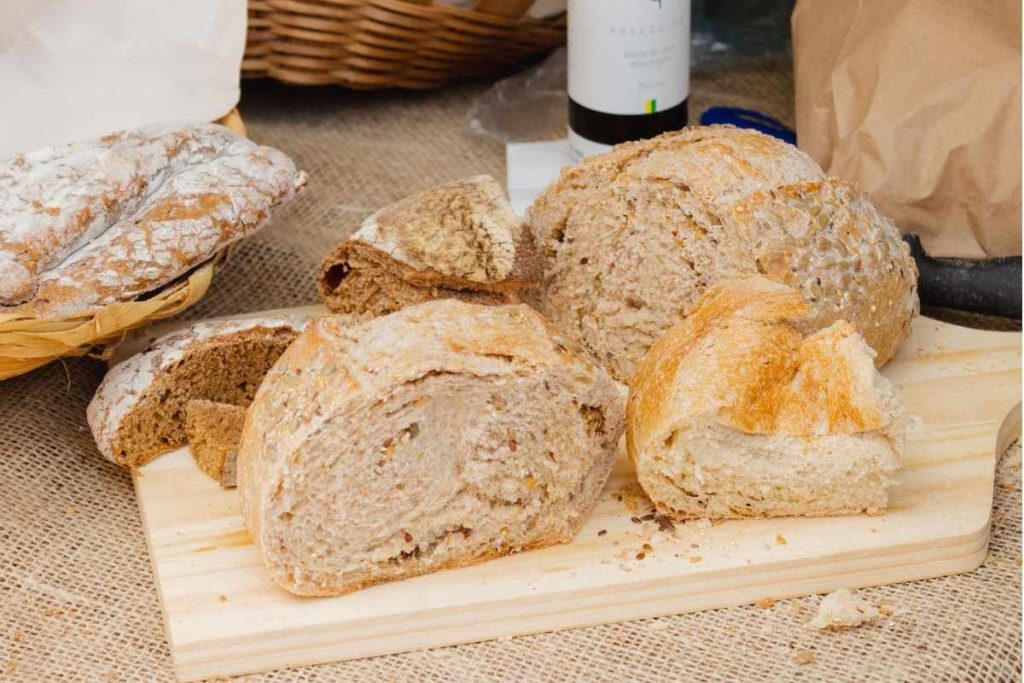
When bread is tender, tasty, and just the proper texture, it’s at its finest. Without adequate storage, even a recently baked loaf may begin to lose its freshness in as little as two days.
You can extend the life of your favorite loaves of bread and cut down on food waste by learning how to keep bread fresh. Even a baked loaf, sourdough, or sandwich bread might benefit from some basic storage techniques.
1. Why Bread Goes Stale So Quickly
First things first: why does bread go bad so fast? Only then can we move on to discussing ways to prolong its freshness. The texture and quality of baked bread are affected by several factors, and not all signs of age mean the bread has gone bad.
What Causes Bread To Lose Freshness
Many people assume bread goes stale because it dries out, but the process is actually more complicated.
As bread sits, the starch molecules inside the loaf begin to reorganize and crystallize. This process changes the texture of the bread, making it firmer and less enjoyable to eat. Moisture also gradually moves from the soft interior toward the crust and surrounding air.
Temperature, humidity, and storage conditions all affect how quickly this happens.
The Difference Between Stale Bread And Moldy Bread
Stale bread and moldy bread are not the same thing.
- Stale bread may feel dry, tough, or slightly hard, but it is usually still safe to eat.
- Moldy bread, on the other hand, develops visible mold growth and should be discarded immediately.
If you notice green, white, black, or fuzzy spots on bread, it is best not to remove only the affected area. Mold can spread beyond what is visible on the surface.
2. How To Keep Bread Fresh Longer
If the goal is to keep bread fresh longer, the storage method is one of the most important factors to consider. Where bread is placed, what it is stored in, and which habits are avoided all directly influence how quickly it becomes stale.
Store Bread At Room Temperature
For most types of bread, room temperature storage is the best option.
Bread generally stays fresher when kept in a cool, dry area away from direct sunlight and heat sources. A pantry, bread box, or kitchen cabinet often works well.
If you’re trying to figure out how to keep bread fresh longer, avoiding extreme temperatures is one of the simplest and most effective steps.
Choose The Right Bread Container Or Bag
The container you choose can affect both texture and shelf life.
Good options include:
- Bread boxes
- Paper bags
- Cloth bread bags
- Plastic bags for softer sandwich breads
Crusty breads usually perform better in paper or cloth because these materials allow some airflow while preventing excessive moisture buildup. Softer breads often stay fresh longer in sealed plastic bags that help retain moisture.
Avoid Common Storage Mistakes
Several common habits can shorten the life of a loaf. Avoid:
- Leaving bread uncovered on the counter
- Storing bread near heat sources
- Placing warm bread directly into a sealed container
- Refrigerating bread unnecessarily
- Even high-quality bread can become stale more quickly when stored improperly.
>>> Read more: How to Clean a Microwave: Quick and Easy Methods
3. How To Keep Homemade Bread Fresh
When learning how to keep bread fresh, homemade bread requires special attention. Because it typically contains fewer preservatives, it can lose freshness more quickly if stored improperly. Following a few simple storage practices can help maintain its texture, flavor, and overall quality for longer.
Let Bread Cool Completely Before Storing
If you’ve recently baked a loaf, resist the temptation to store it immediately.
One of the most important steps in keeping homemade bread fresh is allowing it to cool completely before placing it in a bag or container.
Warm bread releases steam. If trapped inside a sealed container, that moisture can create excess condensation and negatively affect texture.


Best Storage Methods For Homemade Bread
Homemade bread often contains fewer preservatives than store-bought bread, which means proper storage becomes even more important.
For most homemade loaves:
- Store at room temperature for several days
- Use a bread box, a cloth bag, or a paper bag
- Freeze extra portions if they won’t be eaten soon
4. How To Keep Sourdough Bread Fresh
Since sourdough differs in behavior from most breads, people frequently wonder how to keep sourdough bread fresh.
The natural fermentation process used to make sourdough creates a more acidic environment, which can help slow spoilage. As a result, sourdough often stays enjoyable longer than many standard loaves and is often a preferred option for people looking for practical ways to keep bread fresh.
The best way to store sourdough bread is usually at room temperature with the cut side facing down on a cutting board or another clean surface. This helps reduce moisture loss from the interior while preserving the crust’s texture.
Sourdough is often best stored in a paper bag, bread box, or cloth bread bag rather than an airtight plastic. If the loaf will not be eaten within a few days, freezing is generally the most effective way to preserve freshness and flavor.
5. How To Keep Fresh Bread Fresh For Several Days
Knowing how to keep bread fresh for several days can help reduce waste and preserve texture after bringing home a fresh loaf.
Slicing Only What You Need
One simple way to keep fresh bread fresh is to avoid slicing the entire loaf at once.
Each exposed surface allows moisture to escape more quickly. Leaving the loaf whole whenever possible helps preserve softness and texture.
Cut only the amount needed for immediate use and keep the remaining loaf protected.

When To Freeze Bread Instead
Freezing is often the best solution for bread that won’t be eaten within a few days. The USDA Freezing and Food Safety Guidance also notes that freezing helps preserve food quality while extending storage life.
To freeze bread successfully:
- Wrap it tightly
- Use freezer-safe bags or containers
- Remove excess air
- Label with the storage date
- When ready to use, thaw the bread at room temperature.
>>> Read more: Get the Best Free Government Tablet for Low Income
6. Can You Refrigerate Bread?
People searching for how to keep bread fresh often assume refrigeration is the best solution, but that isn’t always the case.
Why Refrigeration Often Makes Bread Stale Faster
Many people assume the refrigerator keeps bread fresh longer, but the opposite is often true.
Cool refrigerator temperatures accelerate the starch changes responsible for staleness. As a result, bread may become firm and dry more quickly than bread stored at room temperature.
For most loaves, refrigeration is not the ideal storage solution.
Situations Where Refrigeration May Be Helpful
There are some exceptions.
In very hot or humid climates, refrigeration may help slow mold growth when bread is likely to spoil quickly at room temperature.
Even then, texture may suffer, so freezing is often the better long-term option.
7. FAQs
How long does bread stay fresh at room temperature?
Most bread stays fresh for approximately 2 to 5 days, depending on the type of bread and storage conditions.
Should bread be stored in the refrigerator?
Usually no. Refrigeration often causes bread to become stale faster.
What is the best container for storing bread?
Bread boxes, cloth bags, and paper bags are popular choices for maintaining freshness while controlling moisture.
Can I freeze homemade bread?
Yes. Freezing is one of the most effective ways to preserve homemade bread for longer periods.
How do I keep bread fresh longer without preservatives?
Store bread properly at room temperature, keep it covered, and freeze portions that won’t be eaten within a few days.
>>> Read more: 10 Cool Things You Can Buy on Amazon With EBT (Must-See List!)
Final Words
Learning how to keep bread fresh doesn’t require special equipment or complicated techniques. Small changes such as choosing the right container, avoiding unnecessary refrigeration, and freezing extra bread when needed can significantly extend freshness.
Whether you’re trying to preserve a bakery loaf, understand how to keep homemade bread fresh, or figure out how to keep sourdough bread fresh, proper storage can help you enjoy better texture and flavor for longer.