


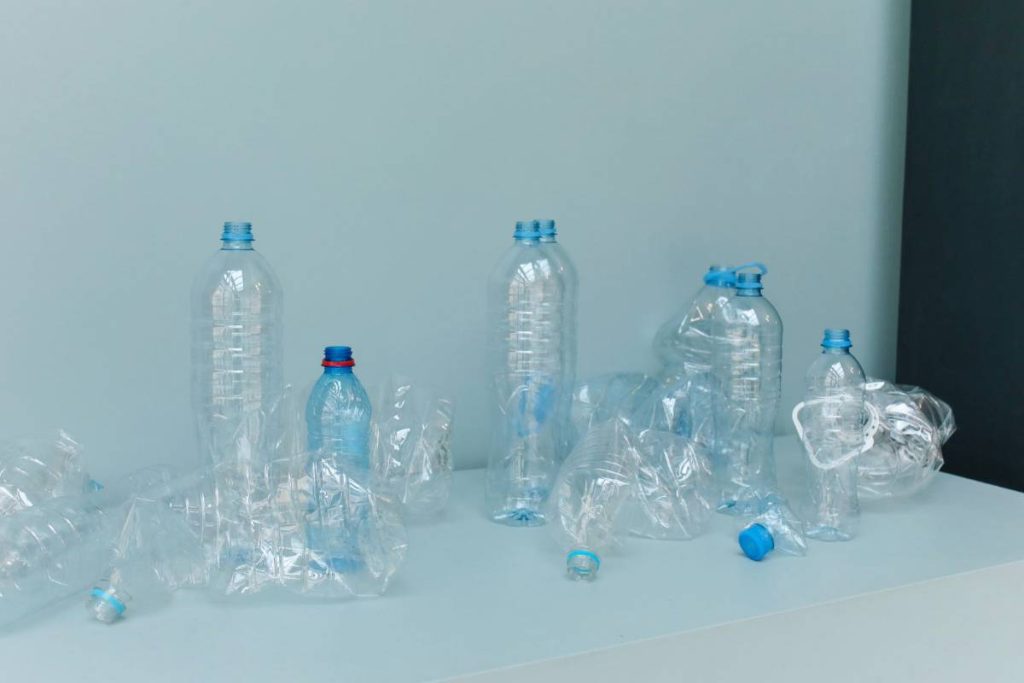
Plastic has become part of nearly every aspect of modern life, from food packaging and household products to clothing, shipping materials, and disposable items. While plastic offers convenience, the amount of waste generated each year has raised growing concerns about pollution, landfill capacity, and environmental impact.
The good news is that reducing plastic consumption doesn’t require a completely plastic-free lifestyle. Small changes made consistently can add up over time.
This guide explores how to reduce plastic use through realistic habits, simple product swaps, and everyday decisions that are easier to maintain long-term than many people expect.
1. Why Reducing Plastic Use Matters More Than Ever
Plastic waste has increased dramatically over the past few decades, driven by the growth of disposable packaging, takeaway food containers, online shopping, and single-use consumer products. While plastic offers convenience, much of it is used only once before being discarded.
The problem is that plastic breaks down extremely slowly. Items such as bottles, packaging films, straws, and shopping bags can remain in landfills and natural environments for many years.
Some eventually fragment into microplastics, which have been detected in oceans, rivers, soil, wildlife, and even the food and water people consume.
Reducing plastic consumption can help decrease waste generation, limit pollution, reduce demand for new plastic production, and encourage the adoption of more sustainable materials. As governments, businesses, and consumers place greater emphasis on waste reduction, everyday choices have become an increasingly important part of the solution.
2. How to Reduce Plastic Use at Home
For most households, the easiest opportunities to reduce plastic waste are found in everyday routines. The goal isn’t perfection, but gradually replacing disposable products with reusable alternatives whenever practical.
In the Kitchen
The kitchen is often the largest source of household plastic waste.
Simple changes can make a noticeable difference:
- Replace disposable water bottles with reusable bottles.
- Use reusable food containers instead of single-use bags.
- Store leftovers in glass containers when possible.
- Bring reusable shopping bags to the store.
- Buy pantry staples in bulk to reduce packaging waste.
Many households discover that these swaps not only reduce plastic consumption but also save money over time because reusable products last much longer.
In the Bathroom
Bathrooms contain many products packaged in plastic, making them another area with significant reduction potential.
Consider switching to:
- Bar soap instead of bottled body wash
- Shampoo bars instead of plastic shampoo bottles
- Refillable hand soap dispensers
- Bamboo toothbrushes
- Reusable razors
These changes are often easy to implement because many alternatives perform similarly to the products they replace.


In the Laundry Room
Laundry-related plastic waste is often less visible but still substantial.
There are several ways to reduce it, including:
- Buying detergent in concentrated or refillable formats
- Choosing cardboard-packaged laundry products when available
- Using reusable dryer balls instead of disposable dryer sheets
- Purchasing larger refill containers to reduce packaging
Some households also use laundry bags designed to capture synthetic microfibers before they enter wastewater systems.
>>> Read more: How Many Ounces in a Gallon? Exact Answer and Quick Guide for 2026
3. How to Reduce Plastic Use When Shopping
Many purchasing decisions influence plastic consumption long before products reach your home. Being more intentional while shopping can significantly reduce the amount of plastic entering your household.
At the Grocery Store
Grocery shopping offers some of the easiest opportunities to reduce waste.
Helpful habits include:
- Bringing reusable shopping bags
- Choosing loose produce instead of pre-packaged options
- Buying in bulk when practical
- Selecting products packaged in glass, paper, or metal
- Carrying reusable produce bags
These small adjustments can eliminate dozens of single-use plastic items each month.
When Buying Clothes and Goods
Plastic isn’t limited to packaging. Many consumer products contain synthetic materials derived from plastic.
When shopping, consider:
- Durable products that last longer
- Natural fibers such as cotton, wool, or linen
- Secondhand items
- Refillable products
- Minimal packaging options
Reducing consumption overall is often just as impactful as choosing lower-plastic alternatives.
When Ordering Online
Online shopping can generate substantial packaging waste.
To reduce unnecessary plastic:
- Consolidate orders when possible
- Choose slower shipping if it allows fewer shipments
- Select eco-friendly packaging options when offered
- Reuse shipping materials before recycling them
- Support retailers with sustainable packaging policies
While consumers may not control every aspect of packaging, purchasing choices can encourage retailers to adopt lower-waste practices over time.
4. How to Reduce Plastic Use on the Go
Many people focus on reducing plastic waste at home, but a significant amount of single-use plastic is consumed while commuting, traveling, working, or running errands. Learning how to reduce plastic use outside the home often comes down to preparation.
Having a few reusable alternatives readily available can prevent many unnecessary purchases and disposable items throughout the day.
Reusable Water Bottles and Cups
Carrying a reusable water bottle is one of the easiest and most effective ways to reduce plastic consumption. A single bottle can replace hundreds of disposable plastic bottles over its lifetime while also saving money that would otherwise be spent on bottled drinks.
The same principle applies to coffee and other beverages. Bringing a reusable cup when visiting a café can reduce waste associated with takeaway containers, which often include plastic lids and other disposable components. Over time, these small decisions can significantly reduce the amount of plastic a person uses each year.
Another advantage is convenience. Having a bottle or cup on hand makes it easier to refill drinks throughout the day rather than purchasing new containers each time.
Refusing Single-Use Plastics
A surprising amount of plastic waste comes from items people never intended to use in the first place. Straws, disposable utensils, shopping bags, condiment packets, and travel-sized toiletries are often provided automatically, even when reusable alternatives are available.
Simply declining these items whenever possible can have a meaningful impact over time. While refusing a single plastic straw may seem insignificant, repeating that decision consistently can prevent dozens or even hundreds of disposable items from being used each year.
Many people find it easier to maintain this habit by carrying a few reusable essentials with them. A reusable shopping bag, water bottle, or set of utensils can eliminate the need for many common single-use products while making sustainable choices more convenient when away from home.
5. Easy Habits to Build for Long-Term Change
Many people succeed when they focus on small, repeatable actions rather than major lifestyle changes. If you’re looking for how to reduce single use plastic or how to reduce the use of plastic overall, consistency usually matters more than perfection.
A few practical habits can make a significant difference over time:
- Carry reusable shopping bags regularly
- Keep a reusable water bottle nearby
- Choose products with minimal packaging
- Reuse containers whenever possible
- Buy durable products that last longer
- Refuse unnecessary disposable items
- Refill products instead of replacing containers
It’s also helpful to focus on one change at a time. Replacing a few frequently used disposable products is often more sustainable than attempting to eliminate all plastic immediately.
Over time, these habits become automatic and can substantially reduce household plastic consumption without requiring major sacrifices.
Conclusion
Making progress on how to reduce plastic use does not require dramatic lifestyle changes. In many cases, the biggest impact comes from small decisions repeated consistently, such as choosing reusable products, avoiding unnecessary packaging, and planning ahead when shopping or traveling.
The most effective approach is usually to focus on the areas where plastic appears most often in your daily routine. As new habits become automatic, reducing plastic consumption becomes easier to maintain and can contribute to less waste over the long term.