


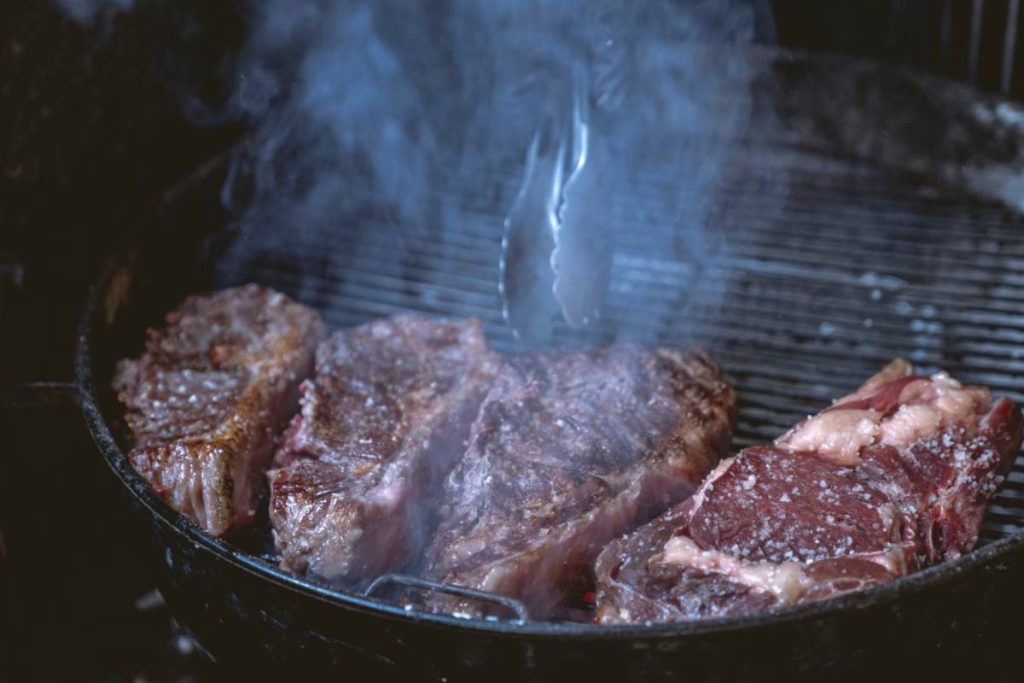
Leftover steak can be tricky to bring back to life. Too much heat can turn a tender cut dry and tough, while reheating it too quickly may leave the center cold.
Getting how to reheat steak right is about warming it evenly while preserving as much of its original texture and flavor as possible. This guide walks you through the process so yesterday’s steak can still taste great today.
1. What Is the Best Way to Reheat Steak?
For how to reheat a steak while keeping it tender, the oven is one of the most reliable methods. Low, gentle heat warms the center more evenly than high heat, and a quick sear afterward can restore some of the crust.
If you are short on time, an air fryer or skillet can also work well. The key with any method is to avoid exposing an already-cooked steak to intense heat for longer than necessary.
2. How to Reheat Steak in the Oven
Using low, steady heat is the key to how to reheat steak in oven without drying out the exterior before the center gets warm. It takes a little longer than an air fryer or skillet, but gives you better control over the final texture.


Step 1. Let the Steak Sit at Room Temperature Briefly
Take the steak out of the refrigerator while the oven preheats. A brief period out of the fridge can take some of the chill off, but do not leave cooked steak at room temperature for an extended period.
Step 2. Preheat the Oven to a Low Temperature
Preheat the oven to around 250°F (120°C). The relatively low heat allows the steak to warm gradually rather than quickly cooking the exterior again.
Step 3. Place the Steak on a Wire Rack
Set a wire rack over a baking sheet and place the steak on top. The rack allows warm air to circulate around the meat, helping it heat more evenly without sitting directly against a hot pan.
Step 4. Warm the Steak Slowly
Place the steak in the oven and heat it until warmed through. Depending on its size and thickness, this will commonly take around 20-30 minutes, but start checking earlier for thinner cuts.
USDA recommends reheating leftovers to 165°F (74°C) for food safety.
Step 5. Sear Briefly for a Better Crust
If you want to restore the browned exterior, heat a skillet until hot, add a small amount of oil, and sear the steak briefly on each side.
Keep this step short. The steak is already hot, so the goal is to improve the exterior rather than cook the center further.
3. How to Reheat Steak in an Air Fryer
An air fryer is a convenient choice when time matters. If you’re learning how to reheat steak in air fryer, keep the cooking period short and check the meat frequently because circulating hot air can dry an already-cooked steak fairly quickly.
Preheat the Air Fryer
Preheat the air fryer to around 350°F (175°C) if your model recommends preheating.
Avoid starting at an unnecessarily high temperature, which can dry the outside before the center has warmed.
Arrange the Steak in the Basket
Place the steak in the basket in a single layer. Leave some space around it so hot air can circulate properly.
If reheating multiple steaks, avoid stacking or overlapping them.
Reheat and Flip Halfway Through
Heat for approximately 3-5 minutes, then flip and continue heating as needed. Thicker steaks may require additional time.
Because air fryers differ in size and power, treat the cooking time as a starting point rather than a fixed rule.
Check Before It Overcooks
Check the steak frequently toward the end. Remove it once it has heated sufficiently rather than leaving it in the basket simply to follow a predetermined cooking time.
>>> Read more: How Long to Boil Potatoes: The Exact Times for Every Type and Use (2026)
4. How to Reheat Steak on the Stove
The stovetop is a good option when you want to warm leftover steak quickly while maintaining control over the heat. It works particularly well for thinner cuts that do not need much time to warm through.
Reheat Slowly in a Skillet
Place the steak in a skillet over low to medium-low heat. Turn it every minute or so to help both sides warm evenly.
For a thicker cut, briefly covering the skillet can help heat reach the center without requiring you to increase the burner temperature.
Add a Small Amount of Butter or Oil
Add a small amount of butter or cooking oil to prevent sticking and help restore some richness to the exterior.
Avoid using too much. The goal is to lightly coat the pan, not fry the steak in fat.
Finish With a Quick Sear
Once the steak is warm, increase the heat briefly and sear each side until the exterior develops a better crust.
Keep this final stage short because the center is already heated and can quickly overcook.
5. How to Reheat Steak Without Overcooking It
Learning how to reheat steak without overcooking is less about finding one perfect appliance and more about controlling what happens to an already-cooked piece of meat. A few details can make the difference between preserving its original doneness and cooking it all over again.
Use Low Heat Whenever Possible
Match the heat to the thickness of the steak. A thick ribeye needs enough time for warmth to travel toward the center, whereas a thin steak can move through the reheating process much faster.
Avoid compensating for a thick cut by simply turning up the temperature.\


Reheat Only Until Warm
Decide what result you actually want before reheating. If the goal is simply to take the refrigerator chill off a medium-rare steak, it does not need to become piping hot throughout.
Remember that every additional minute of heating moves the meat further from its original doneness.
Monitor the Internal Temperature
Use an instant-read thermometer when preserving a particular level of doneness matters.
Instead of repeatedly cutting into the steak to check the center, insert the thermometer into its thickest part. This lets you track how quickly the temperature is rising and remove the steak before it goes further than intended.
Let the Steak Rest Before Serving
After reheating, leave the steak untouched for a few minutes before slicing.
This is particularly useful after a finishing sear because residual heat continues moving through the meat after it leaves the pan. Cutting immediately also releases more of the juices onto the plate instead of keeping them with each bite.
6. Steak Reheating Times at a Glance
Once you’ve chosen how to reheat steak, use the table below as a planning guide rather than a strict timer. Thickness and portion size can shift the actual reheating time.
| Method | Approx. Time | Best For | Main Trade-Off |
| Oven | 20-30 minutes | Thick steaks | Slowest method |
| Air fryer | 5-8 minutes | Quick reheating | Easier to dry the exterior |
| Stovetop | 5-10 minutes | One or two portions | Requires more attention |
| Microwave | 1-3 minutes | Maximum convenience | Least consistent texture |
A thick ribeye may sit toward the upper end of these ranges, while a thin strip of leftover steak can be ready considerably sooner.
7. Can You Reheat Steak in the Microwave?
Yes, especially when speed matters more than recreating the steak’s original crust.
Place the steak on a microwave-safe plate and cover it loosely. Set the microwave to about 50% power and heat in 30-second intervals, turning the steak between rounds.
Using reduced power is important here. A microwave can create hot spots, so one part of the steak may become tough while another remains cool if you run it continuously at full power.
For sliced steak, spread the pieces in a single layer so they warm more evenly. Stop as soon as they reach the temperature you want rather than completing another interval automatically.
Conclusion
Yesterday’s steak can still make a satisfying second meal without tasting like an entirely different cut of meat. The key to how to reheat steak is choosing a method that suits its thickness and giving yourself enough control to stop before its texture changes too far.
Whether convenience or quality matters most, a little attention during reheating goes much further than simply making the steak hot again.
For more useful everyday tips and practical how-to guides, AirTalk Wireless blog has plenty of other topics worth exploring.