


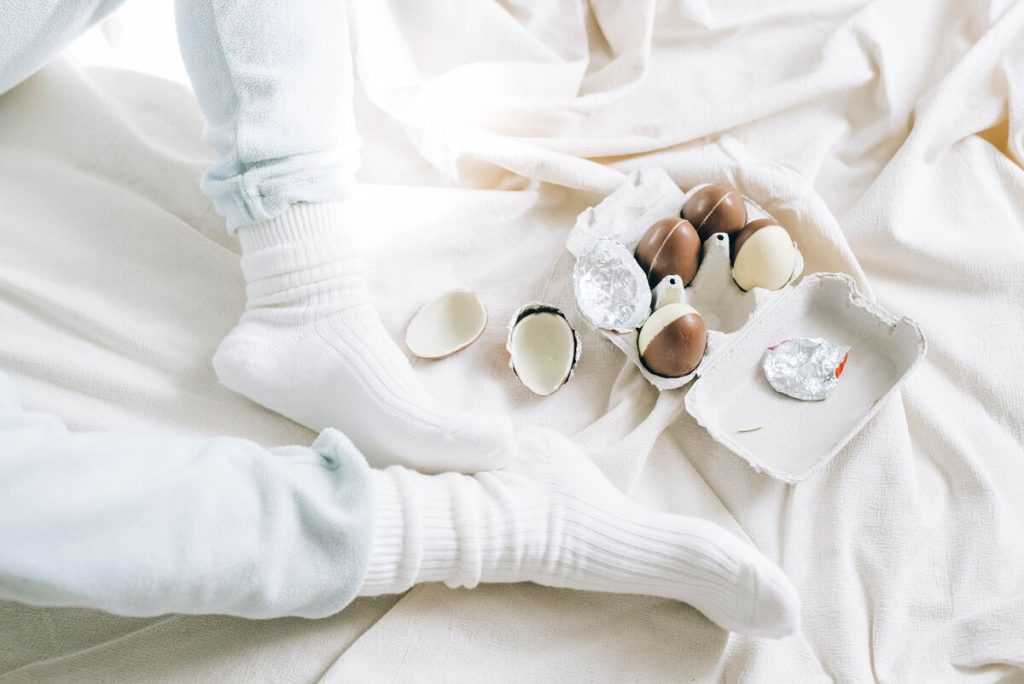
Egg spills can be surprisingly difficult to clean because they contain proteins that behave differently from many everyday stains. When egg dries, the proteins can bond more strongly with fabric fibers or porous surfaces, making removal more challenging.
Knowing how to remove egg stains quickly and correctly can prevent the stain from becoming harder to treat. The cleaning method depends on where the egg has spilled, whether it is fresh or dried, and whether the stain contains mostly egg white, egg yolk, or both.
1. What to Do Immediately After an Egg Spill?
The first few minutes after an egg spill are important.
Fresh egg is much easier to remove than dried egg because the proteins have not had enough time to set into the material.
Start by gently removing any solid pieces with a spoon, dull knife, or clean paper towel. Avoid rubbing aggressively because this can push the egg deeper into fabric fibers or spread the stain across a larger area.
Before choosing a cleaning product, identify the surface. A method that works for washable clothing may not be suitable for painted walls, wood, or delicate materials.
Understanding the material first is an important part of how to remove egg stains effectively because using the wrong cleaner can damage the surface while leaving the stain behind.


2. How to Remove Egg Stains From Clothes?
When learning how to remove egg stains from clothes, the main goal is to loosen the protein residue without setting it further into the fabric.
- Begin by rinsing the stained area with cool water from the back of the fabric if possible. This helps push the egg residue away from the fibers instead of forcing it deeper into the material.
- After rinsing, apply a small amount of liquid laundry detergent or a stain remover designed for washable fabrics. Allow the product to sit for several minutes before washing according to the garment’s care label.
Avoid using hot water during the initial treatment. Heat can make protein-based stains more difficult to remove because the proteins may bond more tightly with the fabric.
For delicate fabrics such as wool, silk, or garments labeled “dry clean only,” it is safer to follow the manufacturer’s care instructions rather than applying strong cleaners at home.
The general process for how to remove egg stains from clothes works for most fresh spills, but the exact treatment may vary depending on whether the stain is mainly egg white or egg yolk.
Treat a Fresh Egg Stain
Fresh egg stains usually require less effort because the residue has not dried and hardened.
After removing excess egg, rinse the area with cool water and gently work in detergent. Avoid scrubbing too hard because aggressive rubbing can damage fibers and spread the stain.
If the stain remains after washing, avoid placing the clothing in a dryer until the mark is completely gone. Dryer heat can make leftover protein stains more difficult to remove.
Treating the stain before drying is one of the most important steps in how to remove egg stains because once the stain has been exposed to heat, additional cleaning may become more difficult.
>>> Read more: How to Clean a Refrigerator Properly Without Damaging It
Egg White vs. Egg Yolk on Your Clothes
Egg white and egg yolk are both protein-based, but they behave slightly differently when they stain fabric.
Egg white is mostly made of water and proteins. It often creates a lighter, more translucent stain but can still become difficult to remove once dried. When looking at how to remove egg white stains from clothes, the main focus is breaking down and lifting the protein residue with cool water and detergent.
Egg yolk contains proteins as well as fats and pigments. Because of this, yolk stains may leave behind a more noticeable yellow mark and may require additional attention to remove oily residue.
When considering how to remove egg yolk stains from clothes, the process is generally similar to treating a normal egg stain: remove excess residue, rinse with cool water, apply detergent, and wash according to fabric instructions.
However, stubborn yolk marks may need a longer pretreatment period because of the added fat content.
The difference between egg white and egg yolk treatment is not a completely different cleaning method. Instead, the difference is mainly the type of residue left behind. A standard egg stain method works for both, but yolk stains may need more attention if discoloration remains.
3. How to Remove Egg Stains From a Wall?
Egg stains on walls require a gentler approach because paint, wallpaper, and wall finishes can be damaged by aggressive cleaning.
So how to remove egg stains from wall surfaces?
- To start, remove any dried pieces carefully without scraping hard. Use a soft cloth or sponge dampened with cool water to loosen the residue.
- For painted walls, a small amount of mild dish soap mixed with water can help break down remaining egg residue. Test the solution on a hidden area first, especially on matte paint, because some finishes can become shiny or discolored after cleaning.
- Avoid soaking the wall with too much water. Excess moisture can damage paint, drywall, or wallpaper.
If the egg stain has dried completely, allow the cleaning solution to sit briefly before gently wiping the area. Multiple light cleaning attempts are usually safer than one aggressive scrubbing session.
4. How to Treat Dried or Stubborn Egg Stains?
Dried egg stains are more difficult because the proteins have had time to harden and attach more strongly to surfaces.
Start by softening the dried residue with cool water. Allowing the area to become damp for a short period can make removal easier without using excessive force.
For clothing, a longer detergent pretreatment may help loosen the remaining stain. For hard surfaces, gentle wiping with a suitable cleaner can gradually remove buildup.
Avoid using hot water as a first step. While heat can help remove some types of stains, it can have the opposite effect on egg because heat can cause proteins to become more firmly attached.
Vinegar is sometimes suggested as a home cleaning solution, but it is not always the best choice for protein stains. A detergent designed to break down organic residue is usually a more reliable option, especially for fabrics.
Patience is important when dealing with dried egg. Repeated gentle cleaning is often safer than aggressive scrubbing that could damage the material.
5. FAQs
Can vinegar remove an egg stain?
Vinegar may help with some odors or mineral-related cleaning tasks, but it is not usually the most effective first choice for protein-based egg stains. A detergent or cleaner designed to remove organic residue is generally more suitable.
Why should hot water not be used on egg stains?
Hot water can cause egg proteins to set, similar to the cooking process. This can make the stain bond more strongly with fabric fibers and become harder to remove.
Can dried egg permanently stain fabric?
Dried egg does not always permanently stain fabric, but it becomes more difficult to remove after it has hardened or been exposed to heat. Treating the stain as soon as possible gives the best chance of complete removal.
>>> Read more: How to Clean a Mattress Properly: Remove Stains, Odors, and Hidden Dirt
Final Thoughts
Learning how to remove egg stains is mainly about acting quickly and using the correct temperature and cleaning method. Fresh egg stains are usually easier to treat because the proteins have not fully bonded with the surface.
For clothing, cool water and detergent are usually the safest starting points. For walls and other surfaces, gentle cleaning methods help remove residue without damaging the finish.
Whether you are dealing with egg white, egg yolk, or a dried spill, avoiding heat and aggressive scrubbing can make the cleaning process much easier.