


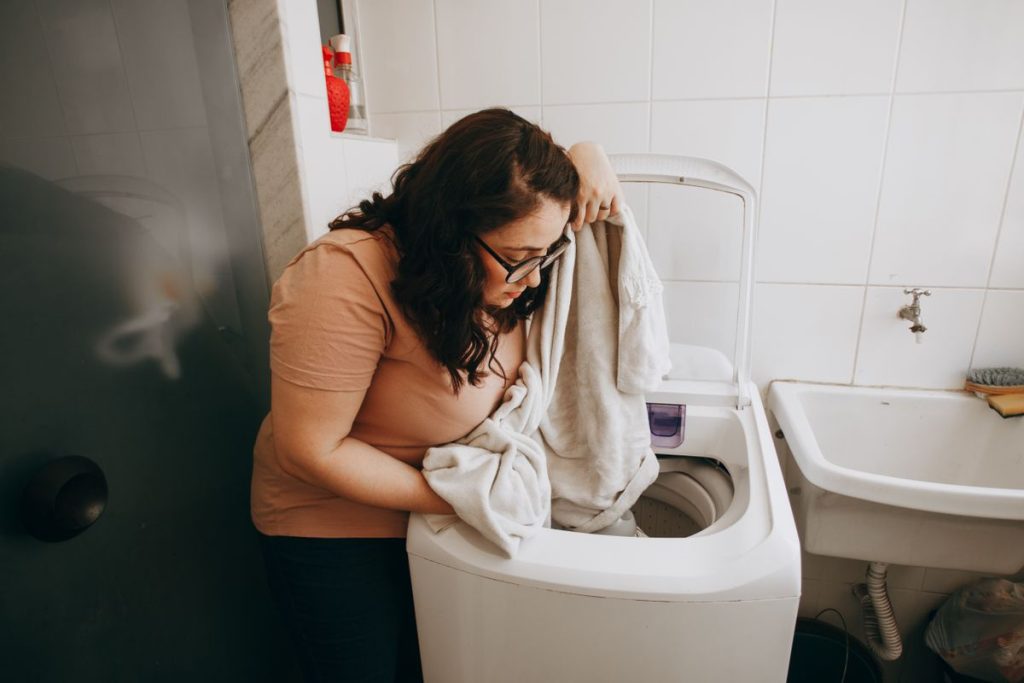
Spills happen, and oil stains are among the trickiest to clean. That’s why learning how to remove oil stains from clothes ensures you can act fast and prevent permanent damage.
This guide focuses on practical, easy-to-follow washing techniques that work for different fabrics and situations, helping you restore your clothes, save money, and reduce frustration when accidents happen in the kitchen, garage, or anywhere oil might spill.
1. How to Remove Oil Stains from Clothes: Immediate Steps that Work
Oil stains can appear suddenly, whether from cooking, greasy food, or even hand creams, and they can set quickly into fabric. Acting promptly is the best way to prevent a permanent mark and restore your clothing.
The following steps are simple but highly effective for treating fresh oil stains and minimizing damage.
Blotting and removing excess oil
The first step is to carefully blot the stained area with a clean cloth or paper towel.
Avoid rubbing, as this can spread the oil and push it deeper into the fibers. Gently pressing on the stain helps absorb as much excess oil as possible before applying any cleaning agents.
Using absorbent materials like baking soda or cornstarch
Next, sprinkle an absorbent material like baking soda or cornstarch directly onto the stain. These powders draw out remaining oil from the fabric.
Let it sit for 10-15 minutes, then gently brush or shake off the powder. This step is particularly helpful for thicker or older stains that have started to set.


Pre-treating with dish soap or stain removers
After removing as much oil as possible, apply a few drops of grease-cutting dish soap directly to the stain. Gently work it into the fabric with your fingers or a soft toothbrush, making sure the soap covers the entire affected area.
Let it sit for 10 to 15 minutes so it can break down the oil before washing.
If you have a commercial laundry stain remover, you can use it instead by following the product’s instructions. Enzyme-based or grease-fighting stain removers are especially effective on cooking oils, butter, salad dressing, and other oily substances.
>>> Read more: How to Clean a Waffle Maker? 5 Easy Steps to Remove Grease and Batter Buildup
2. Washing Techniques for Oil-Stained Clothes
Getting cooking oil out of clothing can be tricky, but it’s easier if you know how to remove cooking oil stains from clothes using the right technique. This includes choosing the right detergent, adjusting the water temperature, and repeating the treatment if needed.
Choosing the right detergent
For oil-stained clothes, it’s best to use a heavy-duty liquid detergent that contains grease-fighting enzymes.
These detergents penetrate the fibers and break down the oil molecules, making it easier to wash the stain away. Avoid powdered detergents for oil stains, as they may not dissolve completely and can leave residue on the fabric.
Optimal water temperature by fabric type
Water temperature plays a key role in removing oil. Hot water works well for durable fabrics like cotton, while delicate materials such as silk or wool require cold or lukewarm water to prevent damage.
Always check the garment’s care label before selecting a water temperature to balance stain removal with fabric safety.
Repeat treatment for stubborn stains
Some cooking oil stains may not come out completely in one wash, especially if they’ve begun to set.
Here’s how to remove set in oil stains from clothes: If the stain persists, pre-treat the area again with a small amount of detergent or a specialized stain remover before rewashing. Avoid putting the garment in the dryer until the stain is fully removed, as heat can set it permanently.

>>> Read more: How to Descale Humidifier? Best Methods to Remove Mineral Buildup
3. Home Remedies and DIY Solutions
Knowing how to remove essential oil stains from clothes using simple home remedies can save your favorite garments without harsh chemicals. These DIY solutions use common household items to break down the oil and lift stains effectively while being gentle on fabrics.
Using baking soda, cornstarch, or talcum powder
For fresh stains, sprinkle baking soda, cornstarch, or talcum powder directly onto the affected area.
These powders absorb excess oil from the fabric. Let the powder sit for 10-15 minutes, then gently brush it off before washing. This step works well as a first-line defense to prevent the stain from setting.
Lemon juice, white vinegar, or rubbing alcohol methods
Lemon juice, white vinegar, or rubbing alcohol can help break down essential oil residue.
Apply a small amount to the stain and let it sit for a few minutes, then blot gently with a clean cloth. These solutions are effective for light stains or spots that have begun to set. Always test on an inconspicuous area first to ensure the fabric won’t be damaged.
Natural enzyme-based treatments
Enzyme-based cleaners, often available in liquid detergents or stain sprays, work by breaking down the oils at a molecular level. Apply the cleaner directly to the stain, allow it to sit for a few minutes, then wash according to the garment’s care instructions.
4. Ways to Prevent Oil Stains in the Future
Preventing oil stains on clothing is easier than removing them. Here are some small habits and precautions to protect fabrics and save time and effort later.
- Wear protective clothing when cooking, such as aprons or old shirts.
- Handle oily foods carefully to avoid drips or spills on garments.
- Act quickly on spills by blotting immediately to prevent staining.
- Store oils securely to reduce accidental leaks.
- Use stain-resistant fabrics for everyday wear when working around oils.
5. FAQs
How do you get dried oil stains out of clothes?
Dried oil stains can often be removed by first gently scraping off any residue, applying an absorbent powder like baking soda or cornstarch, and pre-treating the stain with dish soap or a grease-fighting detergent. Wash the garment in the warmest water safe for the fabric and repeat the treatment if necessary. Avoid putting it in the dryer until the stain is fully gone, as heat can set the oil permanently.
Do oil stains come out easily?
Oil stains are generally harder to remove than water-based stains. Fresh spills are easier to treat, while older or set-in stains may require multiple treatments, pre-treatments, or enzyme-based cleaners to fully lift the oil. Acting quickly improves the chances of complete removal.
Do vinegar and baking soda remove oil stains?
Yes, vinegar and baking soda can help lift oil stains. Baking soda or cornstarch absorbs excess oil, while a small amount of vinegar can help break down grease. Combined with pre-treatment and proper washing, these natural remedies can effectively remove oil stains from many fabrics.
Final Thoughts
Oil stains can be stubborn, but following how to remove oil stains from clothes correctly makes them surprisingly manageable. For tough or older stains, repeating treatments or using enzyme-based cleaners increases your chances of success.