


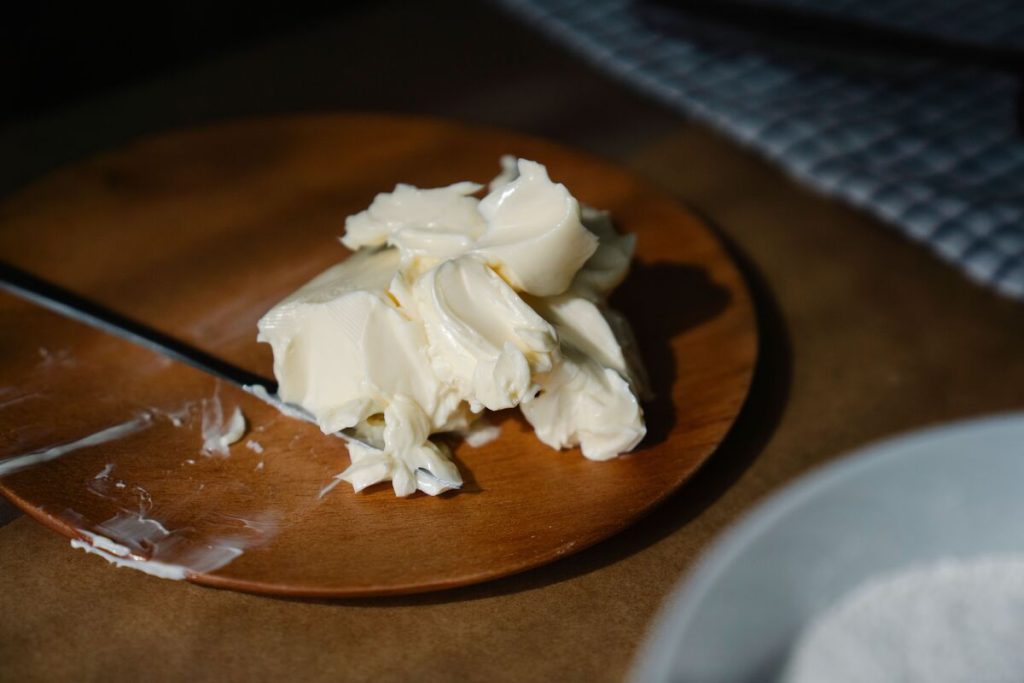
Softened butter is essential for many cakes, cookies, frostings, and other baked goods. The challenge is getting it soft enough to mix without turning it greasy or partially melted.
If you are wondering how to soften butter, the goal is simple: the butter should be flexible enough to indent when pressed but still hold its shape. Cutting, grating, gentle warming, or carefully using a microwave can speed up the process considerably.
1. How to Soften Butter Without Letting It Melt?
The safest way to soften butter quickly is to increase the amount of surface area exposed to room temperature rather than applying intense heat.
A whole refrigerated stick can take roughly 30–45 minutes to soften under typical kitchen conditions. Cutting it into smaller pieces can reduce that time to about 15 minutes, while grated butter can soften within just a few minutes.
Properly softened butter should accept a gentle finger or spoon indentation while still keeping its basic shape. If the surface looks shiny, oily, or collapses easily, it has probably become too warm.
Cut or Grate the Butter
One of the most reliable answers to how to quickly soften butter is simply to cut it into small cubes.
Smaller pieces expose more surface area to the room, allowing heat to reach the center faster. Cut a refrigerated stick into cubes and spread them on a plate rather than leaving them stacked together. They can soften in roughly 15 minutes.
For even faster results, grate the butter using the large holes of a box grater. The thin shreds warm quickly and can become workable within several minutes.
Grating is particularly useful for frozen butter. Instead of waiting several hours for a frozen stick to soften, grate it while still firm and leave the shreds at room temperature briefly.


Use the Warm-Glass Method
The warm-glass method creates a gently heated environment around the butter without applying heat directly.
This method can help when you need to know how to soften butter without a microwave, but avoid making the glass extremely hot. Too much heat can soften the outside while leaving the center firm or cause the surface to become greasy.
Similar warm-bowl methods can take around 10–12 minutes and may soften the butter less evenly than slicing or carefully microwaving it.
>>> Read more: 90+ Food That Starts With B: Expand Your Culinary Horizons
2. How to Soften Butter in Microwave Without Turning It Liquid?
The microwave is the fastest option, but it is also the easiest way to accidentally melt the butter.
When learning how to soften butter in microwave, short bursts are essential.
One method is to place the butter on a microwave-safe plate and heat it in about 5-second intervals, rotating it between each interval. Stop as soon as the butter begins to yield slightly when pressed.
Another tested method is to stand the stick vertically, microwave it for roughly 7–8 seconds, turn it onto the opposite end, and heat it for another 7–8 seconds. Microwave wattage varies, so these times are only starting points.
For even more control, use a microwave’s low-power or defrost setting and check the butter every 5 seconds.
Be careful with this method for baking. Microwaves can create hot spots, leaving part of the butter melted while the center remains cold. Melted butter behaves differently from softened butter and can change the texture of cookies or cakes.
3. What to Do If the Butter Gets Too Soft?
If the butter is extremely soft but not completely melted, do not use it immediately in a recipe that calls for softened butter.
Place it back in the refrigerator for a few minutes, then check it frequently. The goal is to cool it until it holds its shape again but remains easy to indent.
If only the edges have started melting, chilling may still restore a usable consistency. Once most of the butter has become liquid, however, it is usually better to use it in a recipe specifically designed for melted butter rather than expecting identical results.
This is an important part of understanding how to soften butter correctly. “Softened” and “melted” describe different physical states, and many baking recipes rely on that difference.
For creamed cookies and cakes, overly soft or melted butter can create a greasy mixture and reduce the air incorporated during mixing.
>>> Read more: How to Remove Peanut Butter Stains: Easy Methods That Actually Work 2026
4. FAQs
How can I tell when butter is properly softened?
Press the butter gently with a finger or the back of a spoon. Properly softened butter should form an indentation but still hold its overall shape.
It should feel flexible rather than hard, but it should not appear oily or collapse under light pressure.
Can I leave butter out overnight to soften?
For baking, leaving butter out overnight is usually unnecessary. A refrigerated stick can generally soften within 30–45 minutes at room temperature.
For routine storage, follow the refrigeration instructions on the butter package. Land O’Lakes recommends keeping butter refrigerated rather than storing it permanently on the counter.
Is melted butter the same as softened butter in baking?
No. Softened butter remains solid enough to trap air when creamed with sugar. Melted butter cannot hold the same air structure, so substituting it can change cookie spread, cake texture, and overall density.
Can frozen butter be softened quickly?
Yes. Grating is one of the easiest methods.
Use the large holes of a box grater while the butter is still frozen, then leave the shreds at room temperature for a few minutes. Their increased surface area allows them to soften much faster than a whole frozen stick.
Final Thoughts
If you are short on time, a microwave can work, but use only very short intervals and stop before the surface becomes shiny or liquid.
For anyone wondering how long to soften butter, a full refrigerated stick usually needs around 30–45 minutes at room temperature, cubes about 15 minutes, and grated butter only a few minutes.
The best test is not the clock but the texture: softened butter should dent easily while still holding its shape.
From simple how-to tips to everyday technology questions,explore more helpful guides and mobile tips on the AirTalk Wireless blog!