


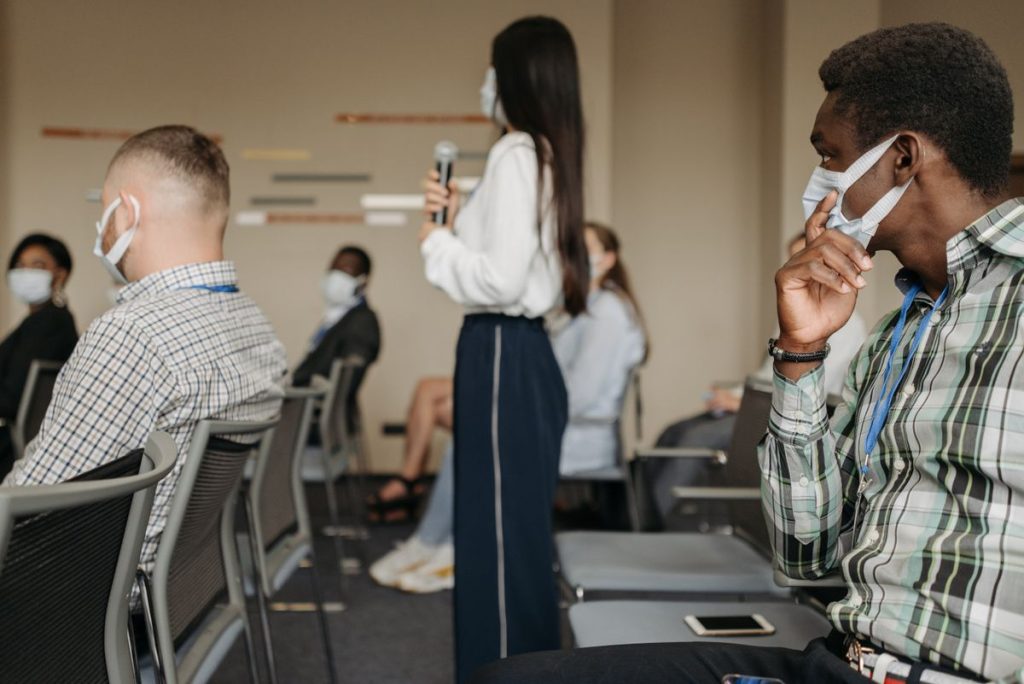
If the thought of speaking in front of a crowd makes you nervous, you’re definitely not alone. There are some simple things you can do to feel more comfortable and actually enjoy public speaking. If you want to know how to speak in public confidently, keep reading for our guide.
1. The Reason Why People Feel Scared of Public Speaking
Feeling nervous about public speaking, known as glossophobia, is super common. There are a few reasons why this fear pops up for so many of us.
- First, your body kind of freaks out when you stand in front of a group. You might notice your heart racing, your hands getting sweaty, or your mouth going dry. That’s just your nerves kicking in because your brain thinks you’re in danger, even though you’re really not.
- Second, there’s the mental side of things. It’s easy to feel like everyone is watching your every move and judging what you say. This gets even worse if you don’t know the audience, if it’s a big-deal event, or if you haven’t done much public speaking before.
- Sometimes, your mind just goes blank in the middle of a sentence because you’re so worried about how you’re doing instead of what you want to say. And in reality, a lot of us think we have to be perfect when we speak, but that just makes us even more nervous.
Confidence comes from actually doing the thing, not from magically having zero nerves. The more you practice, the better you’ll feel. And truthfully, a few stumbles here and there are totally normal and won’t ruin your talk.


2. How to Speak in Public Confidently: 7 Tips to Overcome Your Fear
Public speaking is one of those things many people are worried about, but here’s the good news: it’s a skill you can actually learn. And you’ll get better every time with the right mindset and some preparation.
Below are practical tips to help you manage your nerves and speak in public with more confidence.
Shift Your Mindset From Performing to Helping Your Audience
A lot of the nerves around public speaking come from thinking it’s all about you and that everyone is judging every little thing you do. When you start worrying about how you sound or look, or if people are secretly critiquing you, it just makes you more anxious.
How to speak in public confidently? The advice is to shift your focus.
Instead of stressing about how you’re coming across, think about what you can give to the people listening. When you see your speech as a way to help, inform, or encourage someone else, it takes the pressure off you and puts it on your message instead.
Audiences are generally far more interested in what you have to say than in judging small imperfections in how you say it.
Prepare Your Speech
Confidence really does come from being prepared. If you’re not sure what you’re going to say next, your nerves will show up no matter how hard you try to fake it.
Being prepared isn’t just about writing out a script. It helps to have a clear structure:
- Start strong
- Pick a few main points you want people to remember
- Finish with a solid ending.
Using an outline or just a few bullet points works way better than memorizing every single word. It keeps you sounding natural and lets you roll with it if you forget something.
If you can, practice in the actual room, test out your slides or any equipment ahead of time, and try to think of questions people might ask you.
Calm Your Nerves Before You Step on Stage
Take a second to relax your shoulders, pause before you start, and have a solid opening line ready to go. It’s how to speak confidently in public. The first minute is always the hardest, but these little tricks make it so much easier.
Use Body Language
If you’re slouching or hiding behind the podium, people can tell you’re nervous, even if what you’re saying is great.
Stand up straight, use open gestures, and maintain steady posture. For eye contact, instead of scanning the whole room, try looking at one person for a sentence or two, then move to someone else. It feels more natural, helps you connect with people, and makes you look and feel more confident.
Keep Your Audience Engaged While You Speak
It’s way less scary when the audience is involved instead of just staring at you. Change up your pace, tone, and volume so it doesn’t turn into a boring lecture. Pause after big points to let people take it in, and throw in a question or a quick story if you feel like people are zoning out.
Focusing on keeping the room engaged actually helps you, too, because it keeps your mind on the audience rather than your own nerves. Try to think of your talk as more of a conversation than a speech.
If You Make a Mistake, Keep Going
Everyone messes up sometimes, and it’s not as big a deal as it feels in the moment. Most people won’t even notice if you trip over a word or lose your place, unless you make a big deal out of it.
If something goes wrong, just pause, take a breath, and keep going.
If you need to, repeat your last point to get back on track. And if you really mess up, a little humor can actually help people relate to you more.
Practice
Recording yourself or running through your speech in front of a friend can help you catch things you might not notice, like saying ‘um’ a lot or talking too fast.
Go through your talk a few times, time yourself, and do a final run with everything you’ll use on the actual day. Right before you go on, just review your opening, transitions, and ending, so you don’t stress yourself out.

>>> Read more: How to Connect a Laptop to a Projector
3. Frequently Asked Questions
Why do I shake or forget my words during public speaking?
Shaking and forgetting your words are just your body’s way of saying it’s nervous. This gets so much better with practice and a few calming tips, like taking slow breaths before you start. The more you go over your material, the less your brain has to scramble, and you’ll notice the nerves start to fade.
Is it better to memorize a speech or practice it naturally?
It works better to practice naturally. Memorize the flow and main points using an outline, then say it out loud a bunch of times until it feels comfortable and not stiff or robotic.
What should I do if I lose my place while speaking?
If you lose your place, just pause, take a breath, and go back to your last clear point. Try not to apologize over and over or freak out. Stay calm, keep your body language steady, and continue forward with confidence rather than aiming for perfection.
How can I stop saying “um” and other filler words during a speech?
Those little words like ‘um’ usually sneak in when you’re anxious and trying to fill the silence. Try practicing pausing instead. Record yourself when you rehearse, as it really helps you catch those habits so you can swap them out for a pause.
>>> Read more: How to Prepare for a Phone Interview and Actually Get the Job (2026)
Conclusion
Public speaking can feel super intimidating at first, but it really does get easier with practice. The more you put yourself out there, the more natural and confident you’ll feel each time. It’s totally normal to feel nervous before a presentation. Even people who do this all the time get the jitters.
How to speak in public confidently?
The advice isn’t to get rid of the nerves, but to learn how to work with them. The more you practice speaking in public confidently, the better you’ll get at it, and you’ll leave your audience with a great impression.
Keep exploring our blog for more tips, how-to guides, and advice to help you build new skills and make everyday life a little easier.