


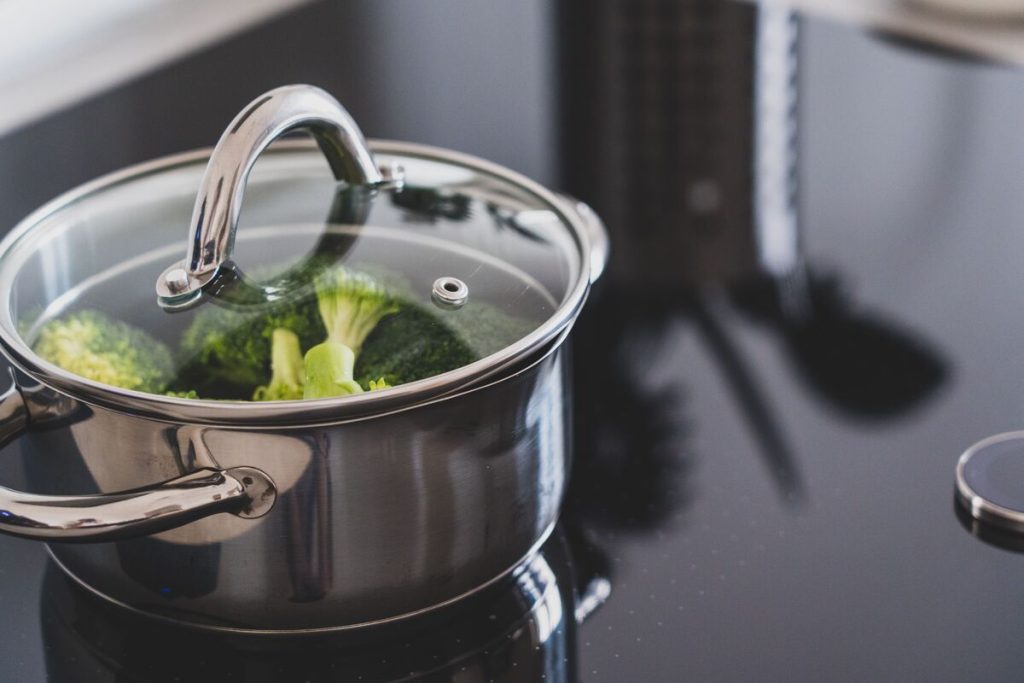
Broccoli has a reputation for being either delicious or disappointing, with very little middle ground. When cooked properly, it stays vibrant, slightly crisp, and naturally sweet. When overcooked, it quickly turns dull, soft, and watery.
Steaming remains one of the best ways to prepare broccoli because it allows the vegetable to cook gently without sitting directly in water. This helps preserve texture and flavor while keeping preparation simple.
Whether you’re making a quick side dish for dinner or preparing vegetables for meal prep, understanding how to steam broccoli properly can help you consistently achieve better results.
1. How to Steam Broccoli Properly: Traditional Stovetop Method
The stovetop method gives you the most control over texture and is often the preferred approach when appearance and consistency matter.


Choose and Prepare the Broccoli
Start by selecting fresh broccoli with:
- Firm stalks
- Tight florets
- Deep green color
- No yellowing
Wash thoroughly under cold water and cut the broccoli into evenly sized florets.
Keeping the pieces relatively uniform helps them cook at the same rate. If some florets are much larger than others, smaller pieces may become overcooked before larger pieces are tender.
Set Up the Steaming Water Correctly
Add about 1 to 2 inches of water to a pot and bring it to a gentle boil.
Place a steamer basket above the water level. The broccoli should be exposed to steam rather than submerged in water. This distinction matters because direct contact with boiling water can cause vegetables to lose some of their texture more quickly.
For anyone learning how to steam broccoli on stove, using the correct amount of water is one of the easiest ways to improve results.
Steam Until Tender-Crisp
Once the water is boiling:
- Place the broccoli into the steamer basket.
- Cover the pot with a lid.
- Allow steam to circulate evenly.
As the broccoli cooks, the florets should become brighter green while maintaining their structure. A good target is “tender-crisp,” meaning the broccoli is cooked through but still offers slight resistance when pierced with a fork.
One advantage of how to steam broccoli rather than boiling it is the ability to maintain this balance more easily.
How Long Should You Steam Broccoli?
Timing is the most important factor when steaming broccoli.
General guidelines include:
- 4-5 minutes: crisp-tender
- 5-6 minutes: medium tenderness
- 7-8 minutes: softer texture
Most home cooks find that 5 minutes provides the best balance between tenderness and texture. If you’re unsure, test a floret with a fork rather than relying solely on time.
2. Different Ways to Steam Broccoli
While the stovetop remains the classic approach, it is not the only option.
Fast Microwave Method
Microwaving broccoli can be surprisingly effective when speed is a priority.
For how to steam broccoli in microwave, follow these steps:
- Place broccoli florets in a microwave-safe bowl.
- Add 2 to 3 tablespoons of water.
- Cover loosely with a microwave-safe plate or lid.
- Microwave on high for 2 to 4 minutes.
- Check tenderness and continue in short intervals if needed.
This method works especially well for small portions, quick lunches, meal-prep containers, busy weeknight meals.
Because very little water is required, steaming broccoli in a microwave can produce results similar to stovetop steaming when monitored carefully.
One common mistake is cooking too long without checking progress. Microwave power varies significantly, so testing the broccoli after the first few minutes is often the safest approach.
No-Steamer Method
Not having a steamer basket does not mean you cannot steam broccoli.
Several alternatives work well for how to steam broccoli without a steamer:
- A metal colander placed over a pot
- A heat-safe plate elevated above the water
- A wire cooling rack positioned inside a deep pot
The goal is simply to keep the broccoli above the boiling water while allowing steam to circulate.
For many households, how to steam broccoli without a steamer becomes useful because it requires no special equipment and can be done with items already found in the kitchen.
In practice, the results are often very close to those produced by a traditional steaming basket.
>>> Read more: Does Any Fast Food Take EBT? Fast Facts for SNAP Users
3. Common Mistakes That Make Broccoli Mushy
Even though steaming is straightforward, several common mistakes can affect the final texture.
Using Too Much Water
Excess water can create a boiling effect instead of a steaming effect. The broccoli may absorb additional moisture and lose some of its firmness.
Steaming Too Long
This is by far the most common problem. Broccoli continues cooking rapidly once exposed to steam. Leaving it covered for several extra minutes can significantly change the texture.
Leaving the Lid On After Cooking
Steam remains trapped inside the pot after the heat is turned off. Removing the lid promptly helps stop the cooking process.
Ignoring Residual Heat
Broccoli continues to soften slightly even after being removed from the pot. For meal prep or cold salads, placing the broccoli briefly in cold water can help preserve texture and color.
Understanding these pitfalls is an important part of how to steam broccoli because technique matters just as much as cooking time.
4. Why Steamed Broccoli Remains a Popular Side Dish
Broccoli pairs well with a wide variety of meals while requiring very little preparation.
It works well alongside many other dishes:
- Chicken
- Fish
- Rice bowls
- Pasta dishes
- Stir-fries
Broccoli is also known for providing dietary fiber and several vitamins and minerals, making it a popular choice for balanced meals.
The USDA FoodData Central database lists broccoli as a source of nutrients including vitamin C, vitamin K, folate, potassium, and fiber.
>>> Read more: How to Boil an Egg Perfectly Every Time: Easy Times for Soft, Medium, and Hard Eggs
5. FAQs
Can You Steam Frozen Broccoli?
Yes. Frozen broccoli can be steamed directly from frozen, although it may require an additional minute or two of cooking time.
Is It Better to Steam or Boil Broccoli?
Many people prefer steaming because it allows the vegetable to cook without direct contact with boiling water, helping preserve texture.
Why Did My Broccoli Turn Yellow?
Broccoli may yellow due to age before cooking or from being overcooked during preparation.
How Do You Keep Broccoli Bright Green After Steaming?
Avoid overcooking and serve immediately after steaming. For meal prep, a brief cold-water rinse can help slow additional cooking.
Final Thoughts
Perfect broccoli does not require complicated techniques. Most texture problems come from overcooking rather than the steaming method itself.
Whether you choose a traditional basket, try how to steam broccoli in microwave, or experiment with how to steam broccoli without a steamer, the key is monitoring cooking time carefully and removing the broccoli as soon as it reaches a tender-crisp texture.Once you master how to steam broccoli, it becomes one of the fastest and most versatile vegetable side dishes you can add to your weekly routine.