


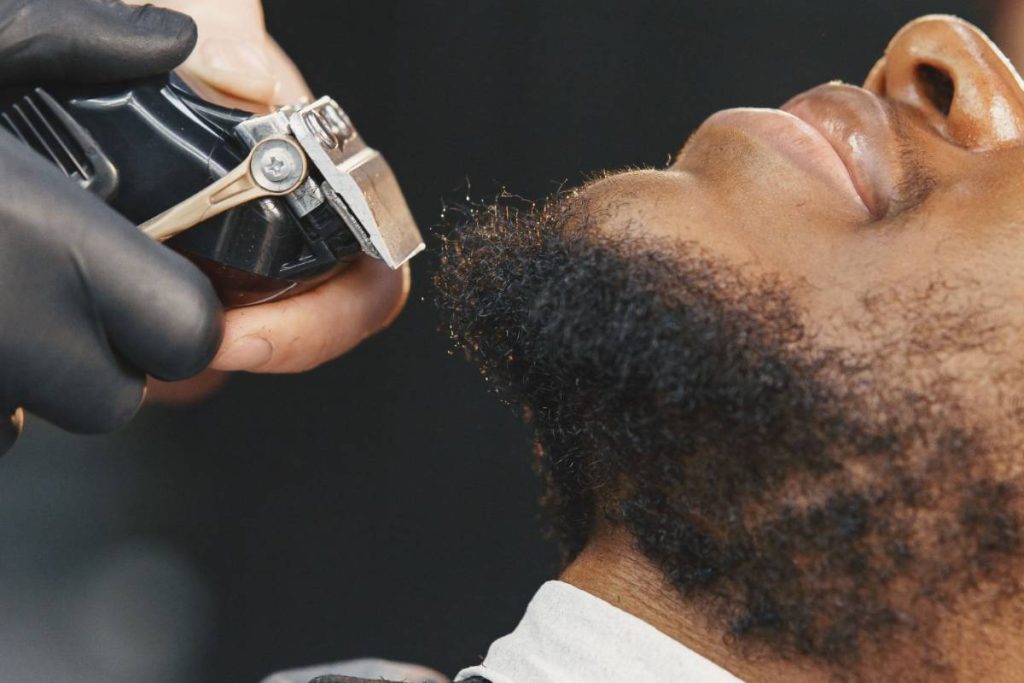
How to trim a beard is a skill every bearded man eventually needs to learn. Regular trimming keeps your beard looking neat, prevents uneven growth, and makes it easier to maintain the shape you want.
Many men assume beard trimming is simply about making the beard shorter. In reality, the process involves choosing the right length, shaping key areas such as the neckline and cheek line, and maintaining balance across the entire beard.
This guide explains how to trim a beard step by step, how to approach different beard styles, and the common grooming mistakes that can make a beard look untidy even after a fresh trim.
1. Tools You Need to Trim a Beard at Home
Before learning how to trim a beard, it’s important to have the right grooming tools. Quality equipment makes trimming easier, improves consistency, and reduces the risk of removing too much length by mistake.
Most beard trims can be completed with a few basic items:
- Beard trimmer with adjustable guards
- Sharp grooming scissors
- Beard comb or brush
- Handheld or wall mirror
- Beard shampoo
- Towel
- Beard oil or balm
While professional barbers may use additional tools, these essentials are usually enough for maintaining a clean and well-shaped beard at home.
2. How to Trim a Beard Step-by-Step
A successful beard trim starts with preparation and a consistent approach. Following the same process each time helps maintain shape and prevents uneven results.
Step 1: Wash and Dry Your Beard First
Always begin with a clean beard.
Dirt, oil, and product buildup can affect how the hair sits and make it harder to judge the true length. Wash your beard with a beard-specific cleanser or a gentle shampoo, then dry it completely before trimming.
Wet hair often appears longer than it actually is, which can lead to accidental over-trimming.
Step 2: Comb It in the Direction of Growth
Use a beard comb or brush to remove tangles and train the hairs into their natural growth pattern.
Combing helps reveal uneven areas and makes it easier to trim consistently across the entire beard.
Pay close attention to areas around the jawline and chin, where beard growth may be thicker or grow in multiple directions.
Step 3: Choose the Right Guard Length
Selecting the correct guard is one of the most important steps in the trimming process.
If you’re unsure, start with a longer guard than you think you need. You can always remove more hair later, but you cannot put it back once it’s gone.
For maintenance trims, many people only need to remove a small amount of growth rather than dramatically reducing beard length.
Step 4: Trim with the Grain, Then Against
Begin by trimming in the same direction as your beard growth.
This removes bulk gradually and helps maintain a natural appearance. After completing the initial pass, you can make a second pass against the grain if you want a shorter, more uniform finish.
Work slowly and check both sides frequently to maintain symmetry.


Step 5: Define the Neckline and Cheek Line
The edges of the beard often have a bigger impact on appearance than overall length.
A clean neckline creates separation between the beard and neck, while a well-maintained cheek line helps the beard look intentional and balanced.
Avoid trimming the neckline too high, as this can make the beard appear smaller and less natural.
3. How to Trim a Beard Based on Your Style
While the basic trimming process remains similar, different beard styles require different maintenance strategies. Understanding how to properly trim a beard depends largely on the look you’re trying to achieve.
Short Stubble
Short stubble requires frequent maintenance because even a few days of growth can noticeably change the appearance. This is why understanding how to trim a short beard is especially important for this style.
For this style:
- Use a shorter guard length consistently
- Trim every few days
- Maintain sharp cheek lines
- Keep the neckline clean
Precision is especially important because uneven growth is more noticeable at shorter lengths.
When learning how to trim a beard neckline, stubble styles provide a good opportunity to practice creating a clean but natural lower edge.
Medium-Length Beard
Medium beards offer more flexibility while still maintaining a polished appearance.
The focus should be on:
- Maintaining an even overall shape
- Removing bulk from the sides when needed
- Blending the beard into the sideburns
- Keeping the neckline defined
Many men find this length provides the best balance between fullness and manageability.
Regular trimming helps prevent the beard from becoming too wide or developing uneven growth patterns.
Long, Full Beard
Understanding how to trim a long beard is less about making it shorter and more about preserving shape.
For longer beards:
- Prioritize symmetry over length reduction
- Remove split ends and stray hairs
- Trim gradually using scissors when necessary
- Maintain a natural taper from the cheeks to the chin
Aggressive trimming can remove months of growth, so it’s best to work conservatively and make small adjustments over multiple sessions.
A properly maintained long beard should look intentional and structured rather than bulky or unkempt. Regular shaping of the cheek line and beard neckline also helps create a cleaner overall appearance without sacrificing length.
>>> Read more: How to Clean Window Screens: Quick Methods for a Streak-Free Finish (2026)
4. Common Beard Trimming Mistakes to Avoid
Even with good tools and techniques, a few common mistakes can quickly ruin an otherwise healthy beard. Avoiding these errors will help maintain a cleaner shape and produce more consistent results over time.
Trimming Too Much at Once
One of the most common mistakes is removing too much length in a single session.
Many people continue trimming in an attempt to fix minor unevenness, only to discover the beard has become much shorter than intended. It is usually better to trim conservatively and make small adjustments as needed.
Starting with a Guard That’s Too Short
When learning how to trim a beard, it is always safer to begin with a longer guard.
Starting too short leaves little room for correction and can dramatically change the appearance of the beard. Gradually working down in length gives you more control over the final result.
Ignoring the Neckline
A poorly maintained neckline can make even a freshly trimmed beard look messy.
Some people leave the neckline completely untouched, while others trim it too high. Both approaches can affect the overall balance of the beard.
The goal is to create a clean transition between the beard and neck while maintaining a natural appearance.
Trimming a Wet Beard
Wet beard hair stretches and appears longer than it actually is.
Trimming before the beard is completely dry often leads to uneven results and accidental over-trimming. For the most accurate cut, always trim a clean, dry beard.
Focusing Only on Length
A good beard trim involves more than simply shortening the hair.
Shape, symmetry, cheek lines, and the neckline all contribute to the final appearance. Paying attention to these details often makes a bigger difference than removing additional length.
5. How Often Should You Trim Your Beard?
There is no single trimming schedule that works for everyone. The ideal frequency depends on your beard style, growth rate, and personal grooming preferences.
As a general guideline:
| Beard Style | Recommended Trimming Frequency |
| Short stubble | Every 2–5 days |
| Medium beard | Every 1–2 weeks |
| Long beard | Every 2–4 weeks |
| Long growth-focused beard | Light maintenance as needed |
People with faster beard growth may need more frequent touch-ups, while slower-growing beards can often go longer between trims.
You may want to trim sooner if you notice:
- Uneven growth
- Stray hairs becoming noticeable
- An overgrown neckline
- Loss of overall shape
- Excess bulk around the cheeks or jawline
Regular maintenance is usually easier than waiting until the beard becomes difficult to manage.
Conclusion
A well-trimmed beard can make a noticeable difference in your overall appearance. The right technique helps maintain shape, control bulk, and create cleaner lines without removing more length than necessary.
Whether you prefer short stubble or a full beard, regular maintenance and proper trimming habits can keep your beard looking neat and balanced. With the tools and methods covered in this guide, how to trim a beard becomes a straightforward part of your grooming routine rather than a guessing game.