



If you are asking is a roommate considered a household member for Medicaid, the answer depends on how Medicaid defines “household” for eligibility purposes. Sharing rent or living at the same address does not automatically mean you are part of the same Medicaid household.
Rules are based on tax filing status, marital relationships, and financial dependency. Understanding these distinctions helps you report your living situation correctly and avoid delays in your Medicaid application or renewal.
1. Is a Roommate Considered a Household Member for Medicaid?
For most applicants, the answer to is a roommate considered a household member for Medicaid is NO. Simply living in the same apartment or house does not automatically make someone part of your Medicaid household. Medicaid does not define household based only on shared rent or shared space.
Many people also ask, do my roommates count as household members? In general, roommates are not counted unless there is a legal or tax relationship involved. Medicaid typically looks at:
- Whether you are married to the person
- Whether you claim them or they claim you as a tax dependent
- Whether you share financial responsibility for children
- Whether you file taxes together
If you and your roommate split rent but manage finances separately and do not claim each other on taxes, Medicaid usually treats you as separate households. However, if there is financial dependency or joint tax filing, the situation may be evaluated differently.
Because Medicaid eligibility is income-based, including or excluding someone from your household can significantly affect income calculations.


>>> Also read: Medicaid Pending: What It Means, Why It Happens, and What to Do Next
2. What Medicaid Means by “Household” for Eligibility
Medicaid uses specific rules to define a household, and those rules can vary slightly by state and by eligibility group. For most adults applying under Modified Adjusted Gross Income rules, Medicaid household size is primarily determined by tax relationships.
Under these rules, your Medicaid household generally includes:
- You
Your spouse, if you are married - Your biological or adopted children under a certain age
- Anyone you claim as a tax dependent
- Anyone who claims you as a tax dependent
Roommates who simply share housing but do not share tax or legal relationships are usually not included. However, if you share a child with someone, even if you are not married, Medicaid may consider both parents when determining eligibility.
Understanding how Medicaid defines household size is critical because eligibility thresholds are tied to household income and the number of members. Reporting incorrect household information, even unintentionally, can lead to delays, requests for clarification, or temporary denial while your case is reviewed.
3. How Does Medicaid Verify Household Information?
After you report your living situation, Medicaid does not rely only on self-declared information. Verification is a standard part of the eligibility process, especially if your household size affects income limits.
Medicaid may verify household information by:
- Checking tax filing data through state and federal databases
- Reviewing wage and income reports
- Comparing information with SNAP or other public benefit records
- Requesting written clarification about who lives with you
- Asking for lease agreements or proof of address in some cases
If there is a mismatch between reported income and household size, or if your address shows multiple adults applying separately, your case may be flagged for review. This does not mean you did anything wrong. It simply means Medicaid needs confirmation before approving or renewing benefits.
Because income limits are tied directly to household size, even small reporting errors can trigger additional review.
4. Why Household Verification Often Depends on Follow-Up Calls
When people ask, is a roommate considered a household member for Medicaid, they often do not realize that verification frequently involves direct communication. Medicaid agencies may call to clarify whether you share finances, file taxes together, or support one another financially.
If you miss those calls, your case can be delayed.
How Medicaid Communicates Household Verification Requests
Medicaid agencies typically communicate through:
- Phone calls from eligibility workers
- Mailed notices requesting clarification
- Online portal messages
- Deadlines for submitting additional documentation
If clarification is not provided by the stated deadline, your application or renewal may be placed on hold. In some cases, coverage can temporarily lapse until the issue is resolved.
This is especially common when multiple unrelated adults share the same address, since Medicaid must determine whether they are financially connected or separate households.
How Reliable Phone Access Helps Avoid Household Delays
Reliable phone access plays a much larger role in Medicaid cases than many people realize. When applicants ask, is a roommate considered a household member for Medicaid, the issue often moves into verification. Eligibility workers may need quick clarification about shared rent, joint bills, tax filing status, or whether two adults at the same address are financially connected. In many situations, these questions can be resolved with a short phone call. Without a response, however, the case may be placed on hold.
Medicaid agencies frequently attempt to contact applicants before issuing formal notices. If they cannot reach you, they may send a written notice with a response deadline. Missing that deadline can lead to processing delays, requests for additional documentation, or temporary loss of coverage during renewal periods.
For individuals with limited financial resources, consistent phone service is not always guaranteed. Prepaid plans may run out of minutes, numbers may change, or service interruptions may occur. Even a short gap in connectivity can mean missing an important call tied to eligibility.
This is where federal assistance programs can make a practical difference. Lifeline is a federal program that helps eligible low-income households reduce the cost of phone or internet service through a monthly discount. While Lifeline does not determine Medicaid eligibility or approve medical benefits, participation in Medicaid automatically qualifies individuals for Lifeline support.
Benefits are delivered through approved providers. AirTalk Wireless is one Lifeline-supported provider that offers eligible individuals discounted or no-cost monthly phone service plans depending on qualification and state availability. Having dependable phone access means you can:
- Answer caseworker clarification calls
- Confirm the requested household information
- Receive renewal reminders
- Respond to documentation deadlines
- Schedule eligibility interviews if required


When questions arise about whether a roommate counts as part of your Medicaid household, quick communication can prevent small misunderstandings from becoming larger delays. Staying reachable does not change eligibility rules, but it can significantly reduce the risk of avoidable interruptions in coverage.

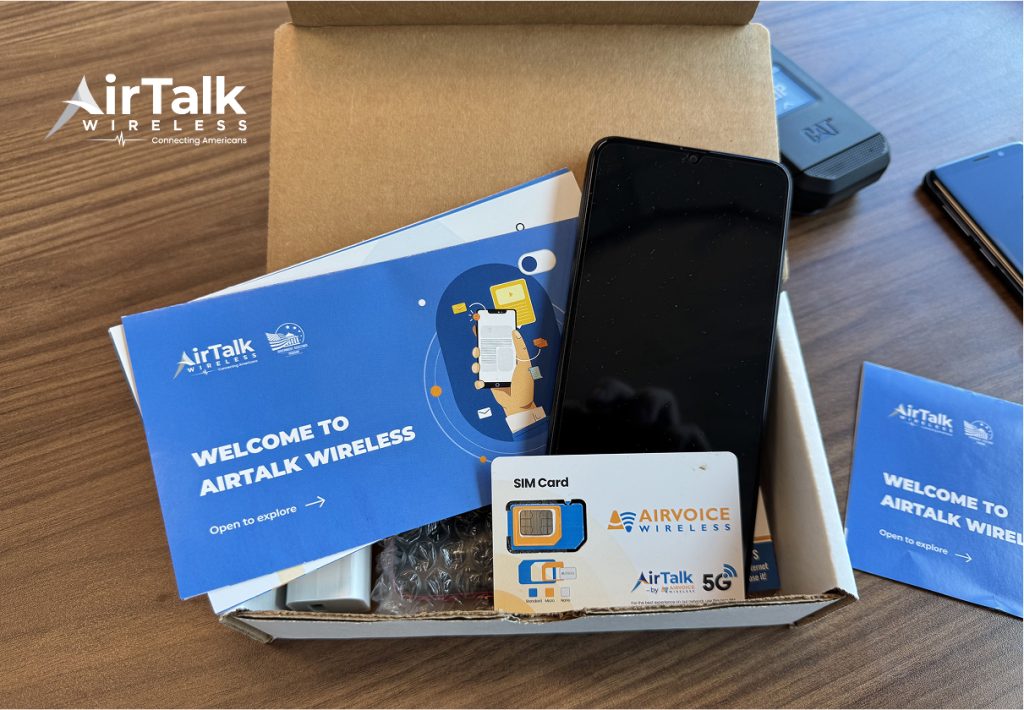
IMPORTANT: The government does not subsidize devices. Lifeline programs cover basic service costs only. Free or discounted devices, upgrade plans, or top-ups are exclusive benefits provided by AirTalk Wireless as part of our promotional offers. Terms and conditions apply. Limited-time promotion—offers vary by state, stock availability, and eligibility.
Conclusion
Understanding is a roommate considered a household member for Medicaid helps prevent reporting mistakes that can affect eligibility. In most cases, roommates who are not financially connected through marriage or tax dependency do not count as part of your Medicaid household.
However, Medicaid may still verify your living arrangement through database checks and follow-up calls. Responding quickly to clarification requests and staying reachable during the process can help ensure your coverage is approved or renewed without unnecessary delays.