


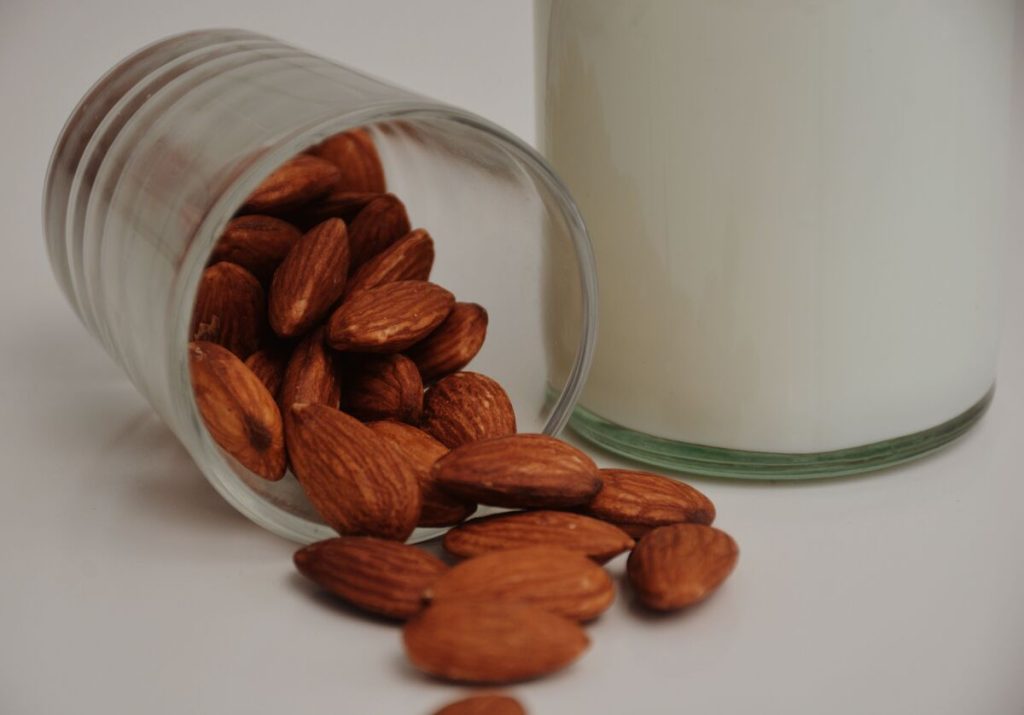
Almond milk can be a convenient dairy-free option, but its nutrition varies more than many people realize. Some products are fortified with calcium and vitamin D and contain no added sugar, while flavored versions may contain substantially more sugar and calories.
So, is almond milk good for you? It can be, especially if you choose an unsweetened, fortified product that fits your overall diet. The key is not to judge every almond milk the same way.
1. Is Almond Milk Good for You? It Depends on the Type
The nutrition profile of almond milk depends on the brand, fortification, added sugar, and other ingredients.
Generally, almond milk provides antioxidant vitamin E, and is naturally lactose-free and vegan-friendly. It is also generally low in carbs and contains little sugar, which can make it a suitable option for people monitoring their carbohydrate intake.
Furthermore, unsweetened almond milk can be relatively low in calories and saturated fat. For example, Silk Unsweet Almondmilk provides 30 calories, 3 grams of fat, 0 grams of added sugar, 1 gram of protein, 470 milligrams of calcium, and 4 micrograms of vitamin D per cup.
That does not mean every almond milk is nutritionally equivalent. Plant-based beverages can differ substantially in protein, calcium, vitamin D, potassium, saturated fat, and added sugar.
That is why you should the Nutrition Facts label when buying almond milk anywhere.


2. The 5 Nutrients That Matter Most in Almond Milk
When you’re determining whether almond milk benefits you or comparing almond milk products, there are five areas that deserve particular attention.
Calcium and Vitamin D
Almonds themselves are not what make many commercial almond milks high in calcium and vitamin D. These nutrients are often added during fortification.
Many plant-based beverages are fortified with vitamin D, and individual products can also contain substantial amounts of calcium.
Protein Is Usually Low
Protein is one of almond milk’s biggest nutritional limitations.
Many common almond milk products contain only about 1 gram of protein per cup.
That is much lower than dairy milk or fortified soy milk.
Added Sugar Can Change the Nutrition Profile
Added sugar can turn a low-calorie beverage into something quite different.
Unsweetened almond milk may contain 0 grams of added sugar, while flavored versions can contain much more.
A flavored almond milk can still provide calcium and vitamin D, but it may also contribute a meaningful amount of added sugar. Is vanilla almond milk good for you? Unsweetened vanilla almond milk can provide vanilla flavor without the same sugar load, making it a lower-sugar choice. Check the Nutrition Facts label because nutrient and sugar levels vary by brand.
Fat Content
Almond milk usually contains a modest amount of fat, often around 2–3 grams per cup, with little or no saturated fat in many unsweetened products.
An often overlooked point is that fat in almonds is not inherently a negative feature. Whole almonds naturally contain mostly unsaturated fats rather than large amounts of saturated fat.
When deciding whether almond milk is good for you, focus more on saturated fat, total diet quality, and portion size than on the presence of fat alone.
Additives and Thickeners
Many almond milks contain ingredients such as gellan gum, locust bean gum, natural flavors, oils, mineral blends, or stabilizers.
These ingredients are often used to improve texture, stability, or fortification. Their presence does not automatically make a product unhealthy.
If you prefer a shorter ingredient list, compare cartons carefully. More importantly, look at the overall nutrition profile, especially protein, calcium, vitamin D, sodium, saturated fat, and added sugar.
>>> Read more: Which Is a TCS Food? Common Examples and How to Identify Them
3. What’s The Difference Between Unsweetened vs. Sweetened Almond Milk
The biggest practical difference is usually added sugar and calories.
| Nutrition Factor | Unsweetened Almond Milk | Sweetened/Flavored Almond Milk |
| Calories | Usually lower | Usually higher |
| Added sugar | Often 0g | Can be 10g+ per cup |
| Protein | Usually low | Usually still low |
| Calcium | Often fortified | Often fortified |
| Vitamin D | Often fortified | Often fortified |
| Best for | Everyday use, lower-sugar diets | Flavor-focused use or occasional drinks |
A real-world comparison makes the difference clearer. Silk Unsweet Almondmilk contains 30 calories and 0 grams of added sugar per cup, while Silk Vanilla Almondmilk contains 80 calories and 13 grams of added sugar.
4. Almond Milk vs. Alternatives: How It Compares
The right choice for the best plant-based milk depends on your nutrition priorities, dietary restrictions, cooking needs, and taste.
Almond Milk vs. Dairy Milk
Almond milk is generally lower in protein than dairy milk and may also differ in potassium and other nutrients. Fortified products can provide calcium and vitamin D, but the full nutrient profile is not automatically equivalent to dairy.
Dairy may be a better option when protein is a priority or when someone needs a nutritionally dense milk replacement.
Almond Milk vs. Oat Milk
Almond and oat milk both tend to contain less protein than soy milk, although exact values vary by product.
Oat milk is often naturally creamier because it contains more carbohydrate, making it popular for coffee and cooking. Almond milk is typically lighter in texture and often lower in calories when unsweetened.
Almond Milk vs. Soy and Other Plant-Based Options
Soy milk stands out when protein matters most. Fortified soy beverages are currently the only plant-based milk alternatives included in the dairy group in U.S. dietary guidance because their overall nutrient profile is closer to dairy milk.
| Option | Typical Strength | Main Limitation |
| Almond milk | Low calories, low saturated fat, mild taste | Low protein |
| Soy milk | Higher protein, nutritionally closer to dairy | Stronger flavor for some people |
| Oat milk | Creamy texture, good for coffee | Often higher in carbohydrates |
| Coconut milk beverage | Distinct flavor, useful in recipes | Often low protein |
| Dairy milk | Protein and naturally broad nutrient profile | Not suitable for dairy-free diets |
5. How to Choose the Best Almond Milk for You
When deciding if almond milk is good for you, start with the Nutrition Facts panel rather than the branding.
Choose a product with 0 or low added sugar when possible, especially if you drink it daily. Check whether it is fortified with calcium and vitamin D, and remember that most almond milk is low in protein.
Also compare sodium, saturated fat, and serving size. If you use almond milk as a direct dairy replacement, consider whether your diet supplies enough protein, potassium, vitamin B12, and other nutrients elsewhere.
Brand matters less than the specific product.
>>> Read more: Food That Starts With Y: 50+ Foods To Add To Your List
6. Final Thoughts
So, is almond milk good for you? It can be a nutritious choice when you select an unsweetened, fortified product and understand what it does, and does not, provide.
Calcium and vitamin D can be strong points, while low protein is the main nutritional weakness. Is chocolate almond milk good for you? Sweetened vanilla or chocolate varieties can add substantial sugar, so flavored almond milk should be evaluated separately from unsweetened versions.
FAQs
Is there a downside to almond milk?
Almond milk is generally safe for most people, but it has some limitations. It typically contains much less protein than cow’s milk, especially in unfortified varieties. Some products also contain added sugar, so checking the nutrition label is important. Almond milk may also be unsuitable for people with nut allergies.
Is it okay to drink almond milk daily?
Is almond milk good for you if you drink it everyday? Yes, drinking almond milk daily is generally fine for most people. Unsweetened, fortified almond milk can be part of a balanced diet and provides nutrients such as calcium and vitamin D. However, it is relatively low in protein compared with cow’s milk, so it should not necessarily be your only source of protein or other nutrients.
What is the healthiest type of milk to drink?
The best choice depends on your nutritional needs, dietary preferences, and tolerance.
Cow’s milk provides protein, calcium, and other nutrients, while fortified plant-based milks can offer similar nutrients with different calorie and dietary profiles. For plant-based options, unsweetened fortified soy milk is particularly nutritious because it provides protein comparable to cow’s milk.
Is almond milk healthier than regular milk?
It depends on your nutritional needs. Almond milk is typically lower in calories and carbohydrates, while cow’s milk contains more protein and naturally occurring nutrients. Unsweetened, fortified almond milk can be a healthy choice, especially for those avoiding dairy.