


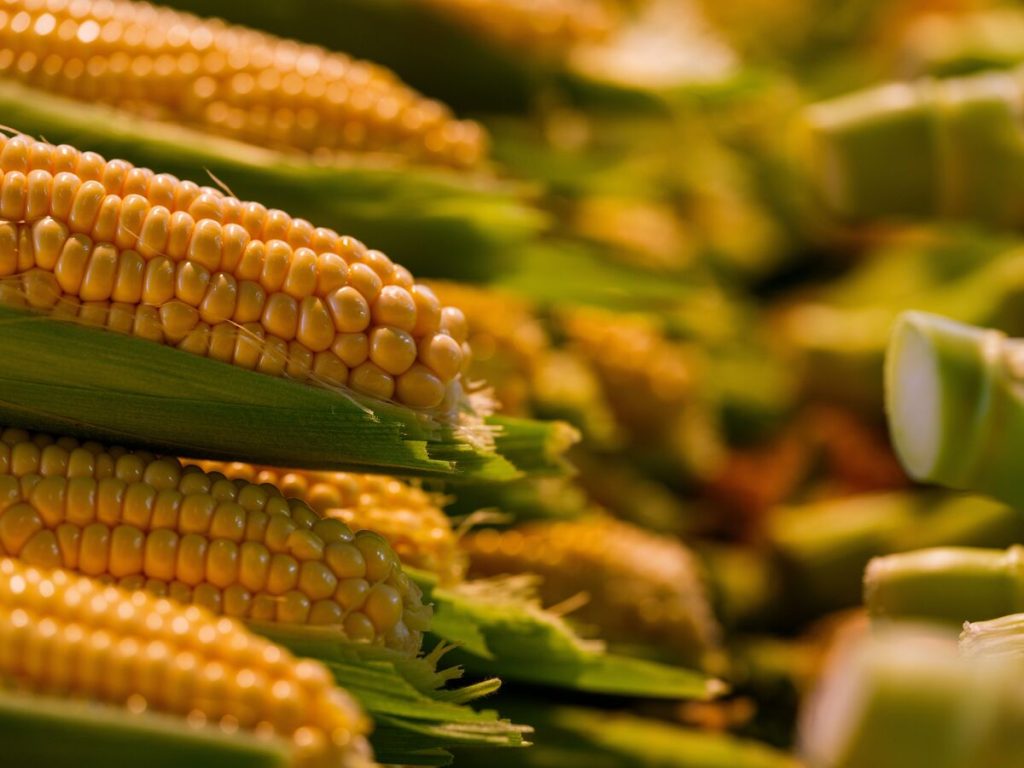
Corn is one of the most widely consumed foods in the world, yet surprisingly, many people are unsure how it should be classified. Some consider it a vegetable because it is often served alongside other vegetables at meals. Others view it as a grain because products like cornmeal, popcorn, and tortillas are made from dried corn kernels.
The confusion exists because corn can fit into multiple categories depending on how it is harvested, prepared, and used. Is corn a vegetable? Let’s look at culinary traditions, nutrition guidance, and even plant science to find out.
1. Is Corn a Vegetable?
The short answer is: corn can be a vegetable, but not always.
When corn is harvested while the kernels are still soft and immature, such as sweet corn on the cob, it is generally considered a starchy vegetable.


This is the classification most people are familiar with when eating:
- Corn on the cob
- Canned sweet corn
- Frozen corn kernels
- Corn served as a side dish
The U.S. Department of Agriculture (USDA) includes corn in the vegetable group when it is consumed in these forms.
However, this is only one way corn is classified. Depending on how it is processed and used, the same crop may also be considered a grain.
This is one reason the question “is corn a vegetable” continues to generate debate.
2. Why Corn Can Belong to More Than One Food Group?
Corn is unusual because it can fit into multiple categories simultaneously.
Corn as a Vegetable
Fresh sweet corn is most commonly treated as a vegetable. The USDA’s MyPlate guidance places corn among starchy vegetables alongside foods such as peas and potatoes.
When eaten fresh, corn contributes:
- Fiber
- Carbohydrates
- Vitamin C
- Folate
- Several minerals
Because it is harvested before reaching full maturity, sweet corn functions nutritionally and culinarily much like other vegetables. This explains why many people automatically answer “yes” when asked is corn a vegetable.
Corn as a Grain
Once corn kernels fully mature and dry, they are typically classified as grains.
Examples include:
- Cornmeal
- Polenta
- Corn flour
- Tortilla products
- Popcorn
The USDA recognizes corn products made from dried kernels as whole grains when they retain the bran, germ, and endosperm.
This is why whether corn is a vegetable or a grain does not have a single answer.
The classification changes depending on how the corn is harvested and consumed.
Corn From a Botanical Perspective
From a botanical standpoint, corn belongs to the grass family. The edible kernel is technically a seed that develops from the fertilized ovary of the corn plant.
Because seeds develop from a flowering plant’s ovary, some people wonder is corn a fruit or vegetable.
Botanically speaking, corn kernels meet the scientific definition of a fruit known as a caryopsis, which is a type of dry fruit produced by cereal grasses. However, botanical classifications are rarely used in everyday nutrition or cooking discussions.
The distinction helps explain why scientific and culinary classifications do not always match.
>>> Read more: Does FreshDirect Take EBT? Complete 2026 Guide for SNAP Shoppers
3. Is Corn a Vegetable or a Grain?
The most accurate answer is that corn can be either a vegetable or a grain, depending on how it is harvested and used.
Fresh sweet corn that is harvested while the kernels are still soft and immature is generally classified as a vegetable. This is the form commonly eaten on the cob, canned, or frozen and served as a side dish.
In contrast, when corn is allowed to fully mature and dry, it is typically classified as a grain. Dried corn is used to make products such as cornmeal, corn flour, polenta, tortillas, and popcorn, all of which fall within the grains category.
This dual classification makes corn different from foods that fit neatly into a single category.
For example:
| Food | Common Classification |
| Sweet corn | Vegetable |
| Popcorn | Whole grain |
| Cornmeal | Grain |
| Corn flour | Grain |
| Corn on the cob | Vegetable |
Therefore, when someone asks “is corn a vegetable or a grain”, the best response is: it depends on the form of corn being discussed.
4. How Corn Is Classified in Nutrition Guidelines?
Nutrition organizations focus less on botanical definitions and more on how foods contribute nutrients.
The Dietary Guidelines for Americans and USDA MyPlate classify:
- Sweet corn as a starchy vegetable.
- Popcorn as a whole grain.
- Cornmeal products as grains.
Consumers can take references from this info to make practical dietary choices rather than focusing on scientific plant classifications.
According to USDA FoodData Central, sweet corn provides carbohydrates, fiber, vitamin C, folate, potassium, and other nutrients.
Through this nutritional profile, it is fathomable why corn can contribute meaningfully to a balanced diet regardless of whether it is categorized as a vegetable or grain.
5. Common Corn Foods and Their Classification
One reason people continue asking “is corn a vegetable” is because corn appears in so many different forms.
Here are some common examples to help you clarify all inquiries:
| Corn Food | Classification |
| Corn on the cob | Vegetable |
| Sweet corn kernels | Vegetable |
| Creamed corn | Vegetable |
| Popcorn | Whole grain |
| Cornmeal | Grain |
| Polenta | Grain |
| Corn tortillas | Grain |
| Corn flour | Grain |
This variety demonstrates why context matters when classifying corn. The answer often depends more on the product than on the plant itself.
>>> Read more: How to Cut a Pineapple: The Easiest Way to Slice, Core, and Serve It
Final Thoughts
At first glance, the question “Is corn a vegetable” seems simple. However, corn occupies a unique position because it can function as a vegetable, a grain, and even a fruit from a botanical perspective.
Fresh sweet corn is generally classified as a starchy vegetable, while dried corn products such as popcorn and cornmeal are considered grains. Scientifically, the corn kernel itself is technically a type of fruit called a caryopsis.
So if you’re wondering is corn a vegetable or a grain, the most accurate answer is that it can be both depending on how it is harvested and used.