



Health insurance can be expensive, so it’s understandable why some people consider going without it.
But before making that decision, many people ask the same question: is it legal to not have health insurance, and if so, could there be financial or legal consequences?
The answer isn’t always straightforward because federal and state rules are different. This guide explains what the law says in 2026, which states still require health insurance, and what you should consider before deciding to go without coverage.
1. Is It Legal to Not Have Health Insurance?
For most people, yes. It is generally legal to go without health insurance in the United States, and there is currently no federal tax penalty for being uninsured.
However, that doesn’t mean the same rules apply everywhere. A handful of states still have their own individual mandates that require residents to maintain qualifying health coverage or pay a state tax penalty.
Before deciding to go without insurance, it’s important to understand both the federal rules and the laws in your state. Even if you won’t face a federal penalty, you could still owe a state penalty or risk significant out-of-pocket medical costs if you need care unexpectedly.


Is it legal to not have health insurance? For most Americans, going without health insurance is legal, but some states still require qualifying coverage and may impose penalties if you’re uninsured. (Image by Pexels)
2. Why There Is No Federal Penalty for Most People
Many people still believe they’ll be fined by the federal government if they don’t have health insurance. That was true under the Affordable Care Act for several years, but the law has changed.
Today, most Americans won’t pay a federal tax penalty simply because they don’t have health coverage.
The Federal Individual Mandate Today
The Affordable Care Act originally included an individual mandate that required most Americans to maintain qualifying health insurance or pay a tax penalty. Although the mandate remains part of federal law, the financial penalty associated with it no longer applies.
As a result, not having health insurance by itself generally won’t create a federal tax liability. However, you should still review your state’s requirements, as some states continue to enforce their own health insurance mandates.
Why the Federal Fine Is $0
The federal penalty was effectively reduced to $0 beginning with the 2019 tax year through changes made by the Tax Cuts and Jobs Act. Since then, the IRS has not charged a federal penalty for going without qualifying health insurance.
Although the federal fine has been eliminated, the Affordable Care Act still exists. Marketplace plans, Medicaid expansion, premium subsidies, and protections for people with pre existing conditions all remain available for eligible individuals.
3. Which States Still Require Health Insurance?
While there is no federal penalty for most Americans, several states have adopted their own individual mandates. If you live in one of these states, going without health insurance could still result in a state tax penalty, even though you won’t owe anything on your federal tax return.
States With an Individual Mandate
As of 2026, states with an individual mandate include:
- California
- Massachusetts
- New Jersey
- Rhode Island
- District of Columbia
Vermont also has an individual mandate but does not currently impose a financial penalty for failing to maintain coverage.
If you’ve recently moved or are unsure about your state’s requirements, check with your state’s health insurance Marketplace or tax agency before deciding to go without coverage.
State Penalties for Not Having Coverage
States with individual mandates determine their own penalty amounts and exemption rules. Depending on where you live, the penalty may be based on a flat dollar amount, a percentage of your household income, or whichever amount is greater.
Some states also offer hardship exemptions or other exceptions that allow eligible residents to avoid the penalty. If cost is the reason you’re considering dropping health insurance, reviewing these exemptions may help before making a final decision.
4. What Happens If You Go Without Health Insurance?
Going without health insurance may be legal for many people, but that doesn’t mean it’s without consequences.
Even if you don’t face a federal penalty, being uninsured can make healthcare more expensive, limit your access to preventive services, and reduce your options for getting coverage later in the year.
Unexpected Medical Bills
The biggest financial risk of going without health insurance is paying the full cost of medical care yourself. A single emergency room visit, surgery, or unexpected hospital stay can result in thousands of dollars in medical bills, and without insurance, you’ll usually miss out on the negotiated rates that insurers receive.
Even if you’re healthy today, accidents and unexpected illnesses can happen at any time. Health insurance helps protect you from these large, unpredictable expenses.
Limited Preventive Care
Without health insurance, many people delay routine checkups, screenings, vaccinations, and other preventive services because of the cost. While skipping preventive care may save money in the short term, it can also increase the risk of more serious and expensive health problems later.
Early detection and regular preventive care often lead to better health outcomes and lower long-term medical costs.
Fewer Chances to Enroll Later
Many people assume they can simply buy health insurance whenever they need it. In reality, Marketplace plans are generally available only during the annual Open Enrollment Period unless you qualify for a Special Enrollment Period because of a qualifying life event.
If you become uninsured without qualifying for a Special Enrollment Period, you may have to wait until the next Open Enrollment Period to purchase coverage. That could leave you without insurance for months if an unexpected medical need arises.
5. What to Do If You Can’t Afford Health Insurance
If cost is the main reason you’re considering going without health insurance, don’t assume being uninsured is your only option. Depending on your income and where you live, you may qualify for programs that significantly reduce the cost of coverage or provide healthcare services at little or no cost.
Medicaid
Medicaid offers free or low-cost health coverage for eligible adults, children, seniors, and people with disabilities. Eligibility is based primarily on income and varies by state, but many people who experience a drop in income may qualify after losing a job or other life changes.
Unlike Marketplace plans, Medicaid enrollment is available throughout the year, so you don’t have to wait for Open Enrollment if you qualify.
Marketplace Subsidies
If your income is too high for Medicaid, you may still qualify for financial assistance through the Health Insurance Marketplace. Premium tax credits and other savings can significantly reduce your monthly premium and out-of-pocket healthcare costs for eligible households.
Losing employer-sponsored coverage or experiencing another qualifying life event may also make you eligible for a Special Enrollment Period, allowing you to enroll outside the normal Open Enrollment window.
Community Health Centers
Community health centers provide primary care, preventive services, and other medical care regardless of your insurance status. Many centers use a sliding fee scale based on your household income, making healthcare more affordable if you don’t currently have insurance.
While these centers aren’t a replacement for comprehensive health insurance, they can help you continue receiving essential medical care while you explore longer term coverage options.
>>> Also read: How Much Life Insurance Do I Need in 2026? A Practical Way to Calculate Coverage
6. Skipping Insurance to Save? Here’s a Bill You Can Cut Without Any Risk
Going without health insurance can expose you to medical bills that are far more expensive than the monthly premium you’re trying to avoid. Before canceling your coverage, look for other recurring expenses that may qualify for assistance instead.
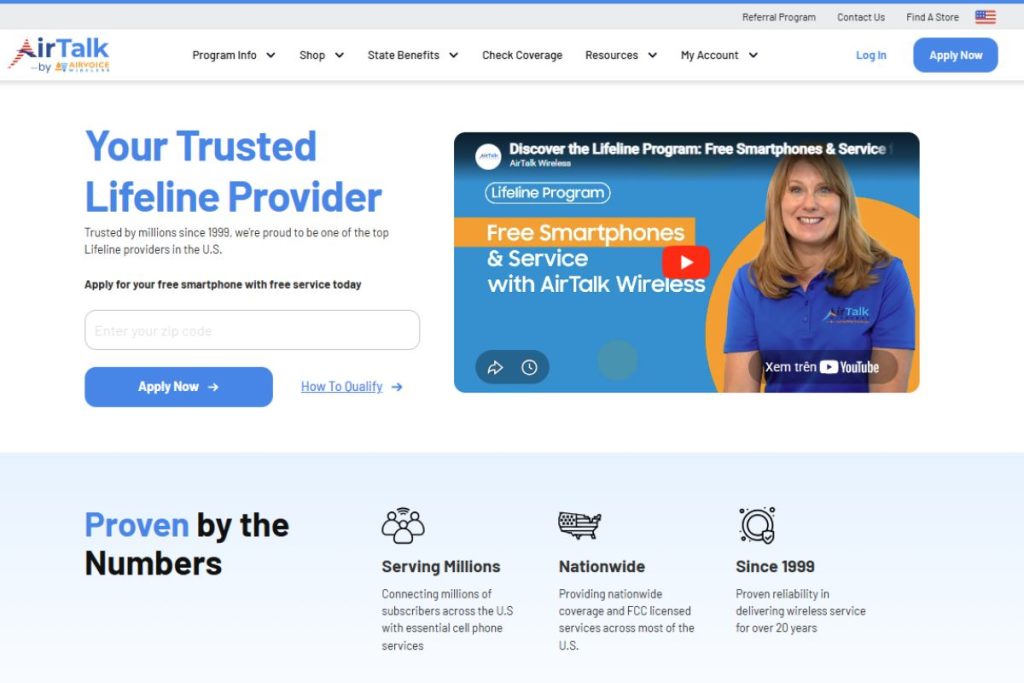
One example is your monthly wireless bill. Many people who qualify for programs such as Medicaid, SNAP, or SSI don’t realize they may also qualify for the federal Lifeline Program, which helps eligible households lower the cost of phone service. Rather than replacing your health coverage, Lifeline helps reduce another essential monthly expense.
AirTalk Wireless, a participating Lifeline provider, offers eligible customers free monthly wireless service, and depending on state availability and eligibility, some customers may also qualify for a free or low-cost smartphone. Reducing other household expenses can make it easier to keep the health insurance coverage you already have while still staying within your budget.
Applying through AirTalk Wireless is simple:
- Visit the AirTalk Wireless website and enter your ZIP code.
- Select an available Lifeline plan in your area.
- Choose an eligible smartphone if one is available.
- Complete your application and upload proof of eligibility if requested.
- Submit your application and wait for approval.
- Activate your service after receiving your phone or SIM kit.
Conclusion
By now, you should have a clearer picture of is it legal to not have health insurance and the factors that matter beyond the law itself. The right decision is about protecting yourself from unexpected medical costs while choosing the most affordable coverage available for your situation.
If paying for health insurance is your biggest concern, look into Medicaid, Marketplace savings, and other assistance programs before deciding to go without coverage. You may also qualify for Lifeline through AirTalk Wireless, making it possible to lower another monthly bill without sacrificing your health insurance.