



If you live in Massachusetts and are trying to understand your health coverage, you may find yourself asking a very common question: “Is MassHealth Medicare or Medicaid”?
The confusion is understandable. MassHealth is often mentioned alongside Medicare, private insurance, and other public programs, which makes it difficult to know exactly what it is and how it works.
This guide breaks down MassHealth in simple terms, what it is, who qualifies, how it differs from Medicare, and why keeping connected matters when managing your coverage.
1. Is MassHealth Medicare or Medicaid?
At its core, “Is MassHealth Medicare or Medicaid” has a clear answer: MassHealth is Massachusetts’ Medicaid program, not Medicare.
MassHealth is jointly funded by the federal government and the state of Massachusetts and is designed to provide health coverage to eligible low-income individuals and families. While it works within federal Medicaid rules, Massachusetts has flexibility to expand benefits and eligibility beyond minimum federal standards.
Many people get confused about MassHealth because:
- Some residents qualify for both MassHealth and Medicare (known as “dual eligibility”)
- MassHealth offers plans that coordinate with Medicare for seniors and people with disabilities
- The name “MassHealth” does not include the word Medicaid
Despite these overlaps, the answer for “Is MassHealth Medicare or Medicaid” remains consistent: it is Medicaid.
In practical terms, this means MassHealth follows Medicaid rules for eligibility, renewals, and benefits, even though the program name is different. Enrollment is based on income, household size, age, disability status, or medical need, not simply age alone, as with Medicare. This distinction is important when applying for coverage, renewing benefits, or determining eligibility for related assistance programs.
2. What Is MassHealth and How Does It Work?


MassHealth provides comprehensive healthcare coverage for eligible Massachusetts residents. Depending on your eligibility category, benefits may include:
- Doctor visits and hospital care
- Prescription medications
- Mental health and substance use treatment
- Preventive services
- Long-term care and home health services
MassHealth operates through multiple coverage types, such as MassHealth Standard, CarePlus, and CommonHealth. These categories are based on income, household size, age, disability status, and medical needs.
Understanding how MassHealth works helps clarify MassHealth Medicare or Medicaid, because the structure follows Medicaid rules, not Medicare enrollment or premiums.
3. Who Gets Medicaid in Massachusetts?
A key question many residents ask is “Who gets Medicaid in Massachusetts?”. Under MassHealth, Medicaid coverage may be available to:
- Low-income adults and families
- Children and pregnant individuals
- Seniors age 65 and older with limited income
- People with disabilities
- Certain working adults with medical needs
Massachusetts expanded Medicaid under the Affordable Care Act, which means income thresholds are higher than in many other states. This expansion is one reason MassHealth covers more people than traditional Medicaid programs elsewhere.
>>> Read more: What Is the Difference Between Medicare and Medicaid? A Clear Guide for Low-Income Households
4. MassHealth vs. Medicare: Key Differences You Should Know
Understanding the differences helps eliminate confusion around “Is MassHealth Medicare or Medicaid”.
Medicare:
- Federal program
- Mainly for people age 65+ or with certain disabilities
- Often involves premiums, deductibles, and copays
MassHealth (Medicaid):
- State-administered Medicaid program
- Based on income and eligibility categories
- Low or no cost for most members
Some individuals qualify for both programs. In these cases, MassHealth may help cover Medicare premiums, copays, or services not fully covered by Medicare.
Common situations that cause confusion about MassHealth
Even after enrollment, confusion persists. Common scenarios include:
- Receiving a Medicare card while enrolled in MassHealth
- Being auto-enrolled in a managed care plan
- Seeing MassHealth pay secondary to Medicare
These situations do not change the answer to “Is MassHealth Medicare or Medicaid”. MassHealth remains Medicaid, even when it coordinates with Medicare.
Understanding this distinction is critical when applying for benefits, renewing coverage, or qualifying for related assistance programs.
Why keeping connected matters for MassHealth members
Managing MassHealth coverage requires ongoing communication. Members may need to:
- Respond to eligibility reviews
- Submit verification documents
- Receive renewal notices
- Update income or household changes
Missing a call or notice can lead to delays, coverage gaps, or termination; even for eligible individuals. This is where access to reliable communication becomes essential.
For many people navigating “Is MassHealth Medicare or Medicaid” questions, the challenge isn’t eligibility, it’s staying informed.
In addition, many MassHealth communications are time-sensitive and may be sent through multiple channels, including phone calls, text alerts, mailed notices, or online member portals. Without consistent access to a working phone or internet connection, members risk missing critical instructions that affect their coverage status. Stay connectivity helps ensure small administrative issues do not turn into major coverage disruptions.
5. Lifeline Program & AirTalk Wireless Support for Medicaid Participants
Lifeline is a federal assistance program designed to make phone and internet access affordable for eligible low-income individuals. The Lifeline program itself does not provide phones or service directly. Instead, benefits are delivered by participating providers such as AirTalk Wireless.

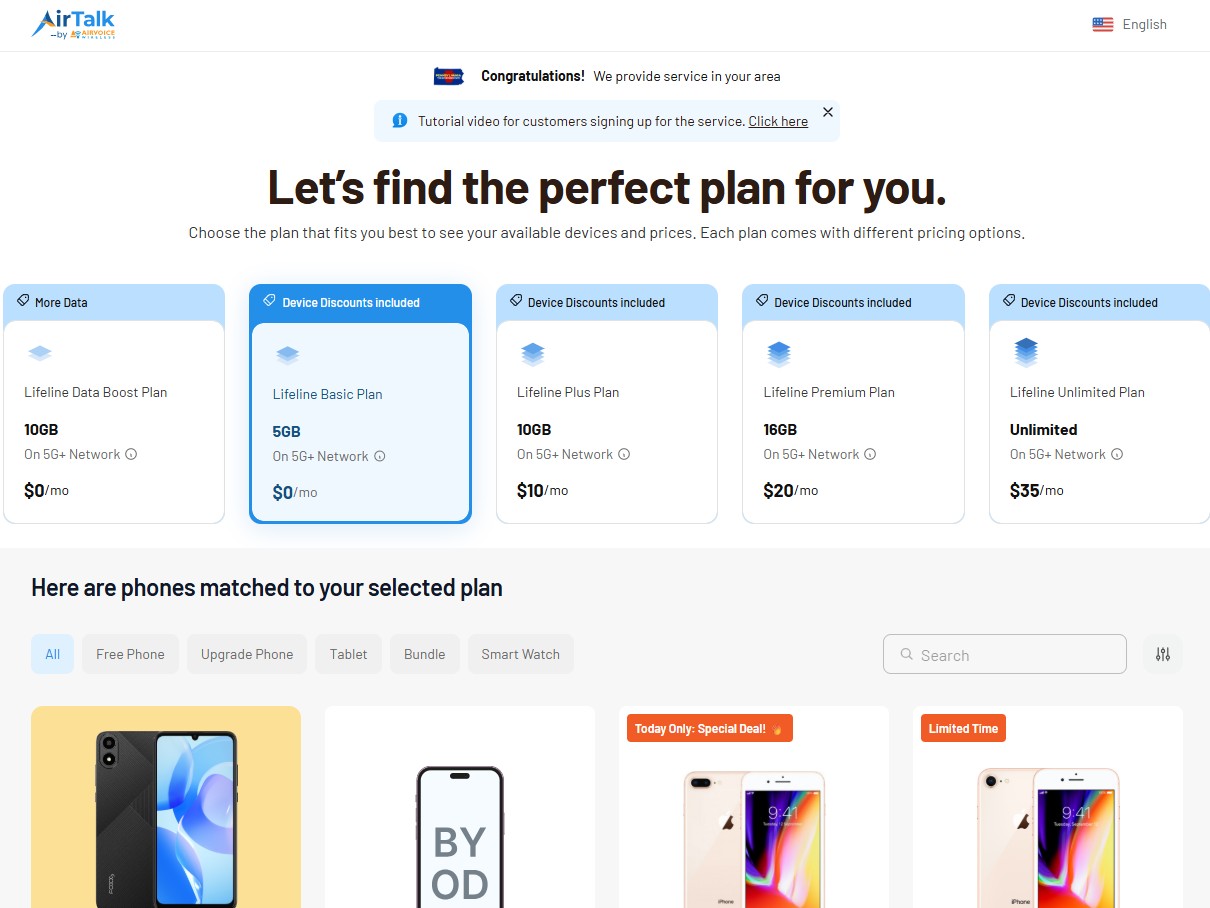
Enrollment in Medicaid often qualifies individuals for Lifeline benefits through an approved provider.
When enrolled through a Lifeline provider like AirTalk Wireless, eligible members may receive:
- A free smartphone
- Monthly data, talk, and text
- No long-term contracts or activation fees
Having a free phone with Medicaid eligibility helps members:
- Receive important calls from MassHealth or healthcare providers
- Check coverage status and renewals online
- Upload documents and respond to notices on time
- Schedule medical appointments and follow-ups
AirTalk Wireless supports participants by ensuring they remain reachable during eligibility reviews, plan changes, and healthcare coordination.
>>> Read more: Is Free Phone Wireless Legit? How to Tell Real Government Phone Providers from Scams
Final Thoughts
So, “Is MassHealth Medicare or Medicaid?” The answer is clear: MassHealth is Medicaid in Massachusetts, designed to provide affordable, comprehensive healthcare to eligible residents.
Understanding how MassHealth works, who qualifies, and how it differs from Medicare helps individuals avoid confusion and make informed decisions. Just as importantly, keeping in touch through programs like Lifeline and providers such as AirTalk Wireless can make managing coverage simpler and more reliable.
Healthcare access doesn’t stop at enrollment. Communication is a critical part of staying covered, informed, and supported.