


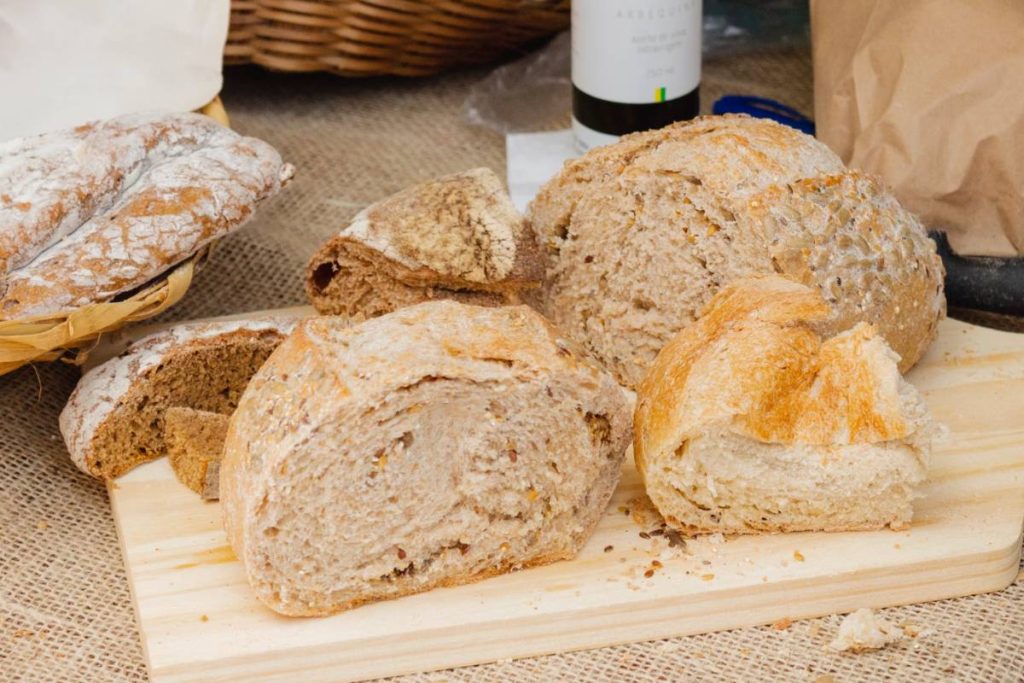
Sourdough is often described as easier to digest than ordinary bread, which can make its gluten content confusing. If you are asking is sourdough bread gluten free, you may also be wondering whether fermentation makes it suitable for celiac disease or a gluten-free diet.
This guide looks at how sourdough is made, what separates regular and gluten-free loaves, and what to check before buying or baking one. It will also help you choose an option that fits your dietary needs without relying on the word “sourdough” alone.
1. Is Sourdough Bread Gluten Free?
No, traditional sourdough bread is not gluten-free. Most loaves are made with wheat or rye flour, both of which contain gluten. The starter may also be maintained with wheat flour, adding another source of gluten to the finished bread.
So, is sourdough bread gluten-free simply because it has been fermented? No. Fermentation changes the dough and may break down part of its gluten, but regular sourdough still contains enough to be unsuitable for people with celiac disease.
Some people with non-celiac gluten sensitivity report that sourdough feels easier to digest. However, personal tolerance does not make the bread gluten-free or confirm that it is safe for someone who must strictly avoid gluten.
2. Why Sourdough Fermentation Does Not Remove All Gluten
A sourdough starter contains microorganisms that ferment carbohydrates and interact with proteins in the flour. During this process, some gluten proteins may be broken into smaller pieces, but ordinary bread-making does not reliably remove all of them.


Therefore, is all sourdough bread gluten free? No. The flour used at the beginning still matters, and a standard fermentation period cannot turn an ordinary wheat loaf into certified gluten-free bread.
Researchers have studied special fermentation methods that use selected microorganisms and controlled processing to reduce gluten more extensively. Those experimental or commercial processes are different from a typical bakery or homemade sourdough recipe and should not be treated as proof that regular sourdough is safe.
FDA rules also state that fermented foods made from gluten-containing grains cannot carry a gluten-free claim unless the ingredients and production process meet specific requirements. Foods labeled gluten-free must contain less than 20 parts per million of gluten.
3. What Makes Some Sourdough Bread Gluten-Free?
Gluten-free sourdough starts with ingredients that meet gluten-free requirements. Instead of ordinary wheat or rye flour, a baker may use rice, sorghum, millet, buckwheat, teff, or another gluten-free flour blend.
This raises another question: is sourdough gluten free bread when it uses a gluten-free starter? It can be, but every flour, starter ingredient, and added component must also be gluten-free, and the dough must be protected from cross-contact during preparation and baking.
A suitable gluten-free sourdough should have:
- A starter fed only with gluten-free flour
- Flour blends that do not contain wheat, barley, or rye
- Certified gluten-free oats when oats are included
- Gluten-free seeds, flavorings, and other additions
- Separate or thoroughly cleaned preparation equipment
- Protection from shared flour dust, mixers, proofing baskets, and baking surfaces
- A clear gluten-free label on packaged bread
For someone with celiac disease, a bakery’s verbal description may not be enough. Ask about the ingredients, starter, preparation area, and cross-contact controls, or choose packaged bread that carries a gluten-free claim meeting FDA labeling rules.
>>> Read more: Is Sourdough Bread Good for You? Incredible Health Benefits Explained
4. How to Identify Sourdough That Is Safe for a Gluten-Free Diet
The question is sourdough bread gluten free cannot be answered from the word “sourdough” alone. Fermentation describes how the bread is made, while its ingredients and preparation process determine whether it is suitable for a gluten-free diet.
Use this checklist before buying or eating a loaf:
- Look for a clear “gluten-free” statement on the package.
- Read the ingredients for wheat, barley, rye, malt, and related products.
- Check that any oats used are labeled gluten-free.
- Confirm that the starter is made and fed only with gluten-free flour.
- Do not rely on claims such as “low gluten,” “wheat-free,” or “long-fermented.”
- Ask whether the bakery uses separate mixers, utensils, proofing baskets, and baking surfaces.
- Check whether regular flour dust could reach the gluten-free dough.
- Look for third-party gluten-free certification when available.
- Contact the baker or manufacturer if the label does not provide enough information.
Under FDA rules, packaged food with a gluten-free claim must contain less than 20 parts per million of gluten. People with celiac disease should also check for possible cross-contact before choosing a product.
5. Who Should Avoid Regular Sourdough Bread?
People with celiac disease should avoid traditional sourdough made with wheat, rye, or barley. Even if fermentation reduces some gluten, the remaining amount can still trigger an immune reaction and damage the small intestine.
Someone with a wheat allergy may also need to avoid wheat-based sourdough, but wheat allergy and celiac disease are different conditions. A product labeled gluten-free could still require careful label review if it contains specially processed wheat-derived ingredients.
People with diagnosed non-celiac gluten sensitivity may react to regular sourdough as well, although tolerance differs from person to person. Anyone with unexplained digestive symptoms should speak with a healthcare professional before removing gluten, since starting a gluten-free diet can affect celiac disease testing.
6. Where to Find or Make Gluten-Free Sourdough Bread
If you are wondering is there gluten free sourdough bread, the answer is yes. It is available from selected bakeries, natural-food stores, supermarket freezer sections, and online sellers, or it can be made at home with a gluten-free starter and flour blend.

Buying Gluten-Free Sourdough
Start with the package label rather than the appearance or bakery description. Check the ingredients and look for a gluten-free claim, then review any warning about shared equipment or facilities.
At a bakery, ask what flour feeds the starter and how the bread is mixed, proofed, and baked. A loaf made with gluten-free flour can still come into contact with wheat flour when both types are prepared in the same space.
Making Gluten-Free Sourdough at Home
Use a starter created and maintained entirely with gluten-free flour. Do not convert an existing wheat starter and assume that several gluten-free feedings will remove the original gluten.
Choose a recipe developed specifically for gluten-free baking because these doughs handle water and structure differently from wheat dough. Keep the starter, utensils, storage container, and work surface away from regular flour, especially when someone in the household has celiac disease.
>>> Learn More: How to Clean a Toaster Safely and Remove Built-Up Crumbs?
Conclusion
Traditional sourdough and gluten-free sourdough may share the same fermentation method, but they are made with different ingredients and require different handling. When asking is sourdough bread gluten free, check the flour, starter, package label, and risk of cross-contact instead of relying on fermentation alone.
People with celiac disease or another medical reason to avoid gluten should choose bread clearly made and handled for a gluten-free diet.