



Paying for healthcare while enrolled in college can be challenging, especially for students with limited income. Many students mistakenly believe they are not eligible simply because they are enrolled in school. In reality, Medicaid eligibility is primarily income-based, and many college students may qualify.
This guide explains how Medicaid for college students works, how eligibility is determined, what coverage is available, and how additional support programs like Lifeline and AirTalk Wireless can help students stay connected while managing healthcare needs.
1. Medicaid for College Students and How Eligibility Is Determined


Eligibility for Medicaid for college students is not based on student status alone. Instead, Medicaid is a needs-based program administered by individual states under federal guidelines.
Are College Students Eligible for Medicaid?
Yes, many students are eligible. Are college students eligible for Medicaid is a common question, and the answer depends on income, residency, household size, and state expansion status.
Being a full-time or part-time student does not automatically disqualify someone from Medicaid. If a student meets the state’s income threshold and other criteria, enrollment is possible regardless of school enrollment.
Do College Students Qualify for Medicaid Based on Income Alone?
In most Medicaid expansion states, income is the primary factor. Do college students qualify for Medicaid based on income alone? Often, yes.
Under the Affordable Care Act (ACA), adults with income up to 138% of the Federal Poverty Level (FPL) may qualify in expansion states. Scholarships used for tuition, federal grants, and certain financial aid are typically not counted as taxable income, which can help students remain eligible for Medicaid for college students.
2. How Student Status Affects Medicaid Applications
Student status can influence how Medicaid evaluates an application, but it does not eliminate eligibility. When applying for Medicaid for college students, states mainly look at income, household composition, and tax dependency not whether someone is enrolled in school.
One key factor is whether the student is claimed as a dependent on a parent’s federal tax return. Some states will ask this question because it can affect whose income is counted. However, being claimed as a dependent does not automatically mean a student is ineligible for Medicaid.
For students who are financially independent, meaning they file their own taxes and pay for most of their living expenses, Medicaid typically considers only the student’s personal income. This is common for older students, graduate students, or those living off campus.
For dependent students, household income rules may apply differently depending on:
- The student’s age
- Whether they live with parents or independently
- State-specific Medicaid policies
Importantly, many forms of financial aid, such as Pell Grants, scholarships used for tuition, and student loans, are usually not counted as income for Medicaid purposes. This often allows students to remain eligible even while receiving aid.
Understanding how student status interacts with income and household rules is critical when applying for Medicaid for college students. Providing accurate information helps prevent processing delays, requests for additional documentation, or avoidable denials that could interrupt healthcare coverage during the school year.
3. What Health Coverage Medicaid Provides for College Students
Coverage under Medicaid for college students is comprehensive compared to many student health plans. Benefits typically include:
- Doctor visits and preventive care
- Hospitalization and emergency services
- Mental health and behavioral health treatment
- Prescription medications
- Reproductive and preventive health services
Some states also cover dental and vision services for adults, which can be especially valuable for students managing healthcare independently for the first time.
Because Medicaid benefits are standardized within each state, coverage remains consistent even if a student changes schools within the same state.
4. Applying for Medicaid While Enrolled in College
Applying for Medicaid for college students can be done online, by phone, or in person through state Medicaid agencies or Health Insurance Marketplaces.
Which State Should College Students Apply In?
Students should generally apply in the state where they are considered residents. This is usually the state where they live most of the year or intend to remain after graduation. However, residency rules vary, and some students attending school out of state may still qualify in their home state.
Checking state-specific Medicaid guidelines is essential before applying for Medicaid for college students.
Common Application Mistakes College Students Make
Frequent errors include:
- Reporting financial aid as taxable income
- Using a parent’s address when not required
- Applying in the wrong state
- Failing to update income changes during the academic year
5. Why Connectivity Matters for Students Using Medicaid
Healthcare access does not stop at insurance coverage. For students enrolled in Medicaid for college students, reliable phone and internet access are critical for managing appointments, telehealth visits, pharmacy communications, and eligibility updates.
Missed calls or online notices can result in lost coverage or delayed care, making connectivity an often-overlooked but essential part of healthcare access.
>>> Read more: Can A College Student Get Medicaid? Health Insurance & Extended Perks for College Students
Free Phone With Medicaid for Eligible College Students
Many students do not realize that Medicaid participation may qualify them for Lifeline benefits. Free phone with Medicaid programs are designed to help low-income individuals maintain essential communication services.
In many states, Medicaid enrollment itself can serve as a qualifying program for Lifeline. However, eligibility depends on state rules and provider participation, so students should always check current requirements.
A free phone with medicaid may include:
- A smartphone at low or no cost
- Free monthly talk and text
- Mobile data for essential online access
This support is especially valuable for students balancing classes, work, and healthcare responsibilities.

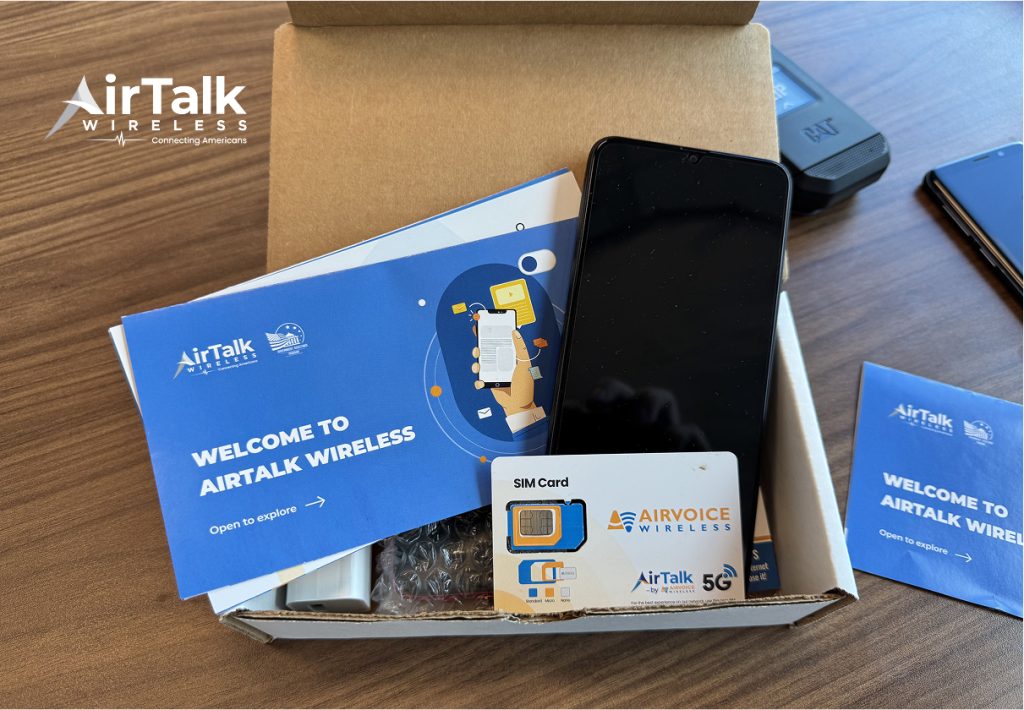
How AirTalk Wireless Supports Students Managing Healthcare
AirTalk Wireless is a Lifeline-approved provider that offers communication services to eligible low-income households, including students enrolled in Medicaid.
For college students, AirTalk Wireless may provide:
- A free or heavily discounted smartphone
- Monthly wireless service with no long-term contracts
- Reliable access to healthcare portals, telehealth, and Medicaid notifications
By supporting free phone with Medicaid access, AirTalk Wireless helps students stay connected to healthcare providers, refill prescriptions on time, and respond quickly to Medicaid renewal requests.
Connectivity support complements healthcare coverage, creating a more stable foundation for students managing both academics and health needs.
Final Thoughts
Beyond medical coverage, programs like Lifeline and providers such as AirTalk Wireless play an important role in ensuring students can actually use their benefits. For students navigating healthcare independently, staying informed about Medicaid for college students and related support programs can make college life healthier, more affordable, and less stressful.