



The Medicaid income limits Iowa determine whether you or your family can qualify for low-cost health coverage, and those limits vary depending on age, household size, and eligibility category. Iowa follows federal guidelines but applies them differently for adults, children, seniors, and people with disabilities.
This guide explains how Iowa Medicaid income limits work, how much you can earn and still qualify, and what benefits may be available once you’re approved.
1. What Are the Medicaid Income Limits Iowa
Medicaid income limits Iowa are based on the Federal Poverty Level (FPL) and vary depending on who is applying. Iowa Medicaid does not use a single income threshold for everyone. Instead, limits change based on age, household size, pregnancy status, disability, and whether the applicant qualifies under Medicaid Expansion or another program.


In general, Iowa evaluates gross monthly income and compares it to the income limit assigned to each eligibility group. These limits are updated periodically and must be met at the time of application or renewal.
Understanding which category you fall into is essential before estimating whether your income qualifies under Iowa Medicaid.
2. Iowa Medicaid Income Limits by Household Size
In Iowa, Medicaid income limits are not determined by household size alone. Instead, household size is used together with the applicant’s eligibility group to calculate whether income falls within the allowed Federal Poverty Level (FPL) percentage.
In practical terms, this means:
- A larger household is allowed a higher total income
- The percentage of FPL depends on who is applying (adult, child, senior, disabled)
- The same household size can have different income limits under different Medicaid programs
Because of this structure, Iowa Medicaid does not publish one universal income chart that applies to all applicants.
Adults Under Medicaid Expansion
For adults ages 19–64, Iowa follows Medicaid Expansion rules, which set the income limit at 138% of the Federal Poverty Level, adjusted by household size.
- Household size includes the applicant, spouse, and tax dependents
- Income is reviewed on a gross monthly basis
- Asset limits do not apply for this group
As household size increases, the maximum allowable income increases accordingly.
Children and Families
Children in Iowa may qualify for Medicaid at higher income levels than adults, and household size plays a significant role in determining eligibility.
- Income limits increase with each additional household member
- Children may qualify even if parents exceed adult Medicaid limits
- Different age groups may fall under different income thresholds
This is why families are encouraged to apply for children even when adult eligibility is uncertain.
Seniors and People With Disabilities
For seniors and people with disabilities, household size still matters, but income and asset rules are more restrictive.
- Income limits are generally lower than Medicaid Expansion
- Asset limits often apply
- Some applicants may qualify through alternative pathways if income is slightly over the limit
These programs use household composition to assess financial need but apply additional medical and financial criteria.
>>> Read more: Maximum Income for Medicaid: How Income Limits Really Work and Who Can Still Qualify
3. What Income Counts Toward Medicaid Eligibility in Iowa
When Iowa Medicaid reviews eligibility, the state looks at gross income, meaning income before taxes or deductions. What counts as income depends on which Medicaid category you apply under, but most regular income sources are included.
Income that usually counts toward Medicaid eligibility in Iowa includes:
- Wages, salaries, and tips
- Self-employment or freelance income
- Unemployment compensation
- Social Security benefits (including SSDI)
- Pensions and retirement income
- Regular cash support or alimony
Some income may be excluded or treated differently, particularly for seniors and people with disabilities. Certain need-based benefits, such as some SSI-related payments, may not be counted the same way as earned income.
Because Iowa applies different financial rules to different Medicaid groups, income is always evaluated in context, not using a single formula for all applicants.
4. What Does Medicaid Cover in Iowa
Iowa Medicaid provides coverage for a wide range of health services, although specific benefits can vary by eligibility group and managed care plan.
Commonly covered services include:
- Primary care and preventive services
- Hospital and emergency care
- Prescription medications
- Mental health and behavioral health treatment
- Maternity and pregnancy-related services
- Pediatric care, including screenings and immunizations
For seniors and people with disabilities, Iowa Medicaid may also cover long-term services and supports, such as nursing facility care or certain in-home services, if additional medical criteria are met.
Some services may require prior authorization, and optional benefits can differ depending on the managed care organization.
5. What If You Are Slightly Over the Medicaid Income Limits Iowa
Being slightly over the Medicaid income limits in Iowa does not automatically mean you are ineligible. Your options depend on how far over the limit you are and which Medicaid program applies to your situation.
Possible alternatives include:
- Eligibility for children’s Medicaid, even if adults do not qualify
- Qualification under different Medicaid categories with higher income thresholds
- Income adjustments related to household size or reporting corrections
- Medical assistance pathways for seniors or people with disabilities that use different financial rules
In some cases, applicants who appear over the limit are later approved after income clarification or placement into a more appropriate eligibility group.
Understanding Iowa’s program structure is often the key to finding coverage when income falls close to the cutoff.
6. Why Iowa Medicaid Members Often Qualify for Lifeline Support
For many people in Iowa, Medicaid eligibility also places them within reach of Lifeline, a federal program designed to help low-income households afford basic phone or internet service. Because Medicaid already confirms income status, Iowa Medicaid members meet Lifeline requirements automatically without going through a separate financial review.
This connection becomes especially important when income is close to the Medicaid limit. At that level, missing a single phone call or notice can delay approval, interrupt coverage, or trigger a recertification issue.
Lifeline helps reduce that risk by supporting consistent access to communication services, allowing Medicaid participants to stay reachable for eligibility notices, caseworker follow-ups, renewal reminders, and appointment coordination.
Lifeline benefits are delivered through authorized providers rather than directly by the program itself. One provider that supports eligible Iowa Medicaid members is AirTalk Wireless.

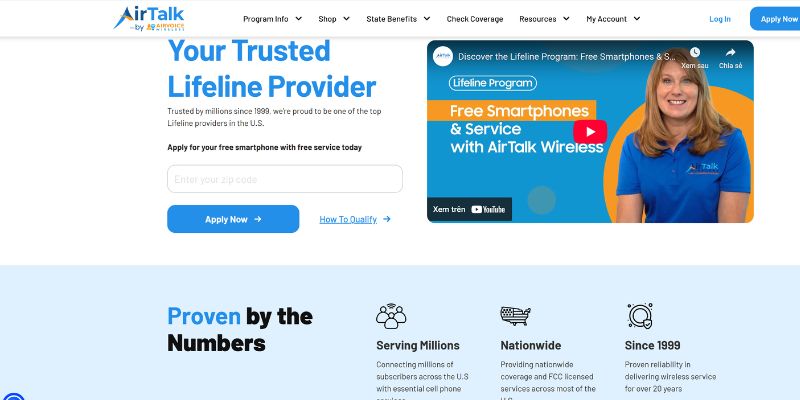
Depending on location and current availability, AirTalk Wireless may offer provider-supported smartphone options, such as a free phone with Medicaid in Iowa, along with monthly talk, text, and data plans backed by Lifeline benefits. This type of support helps remove one of the most common barriers Medicaid members face: staying reachable during income reviews, household updates, and renewal periods.
Consistent phone access is not just a convenience. For many Iowa Medicaid members, it plays a direct role in maintaining coverage and avoiding unnecessary disruptions.

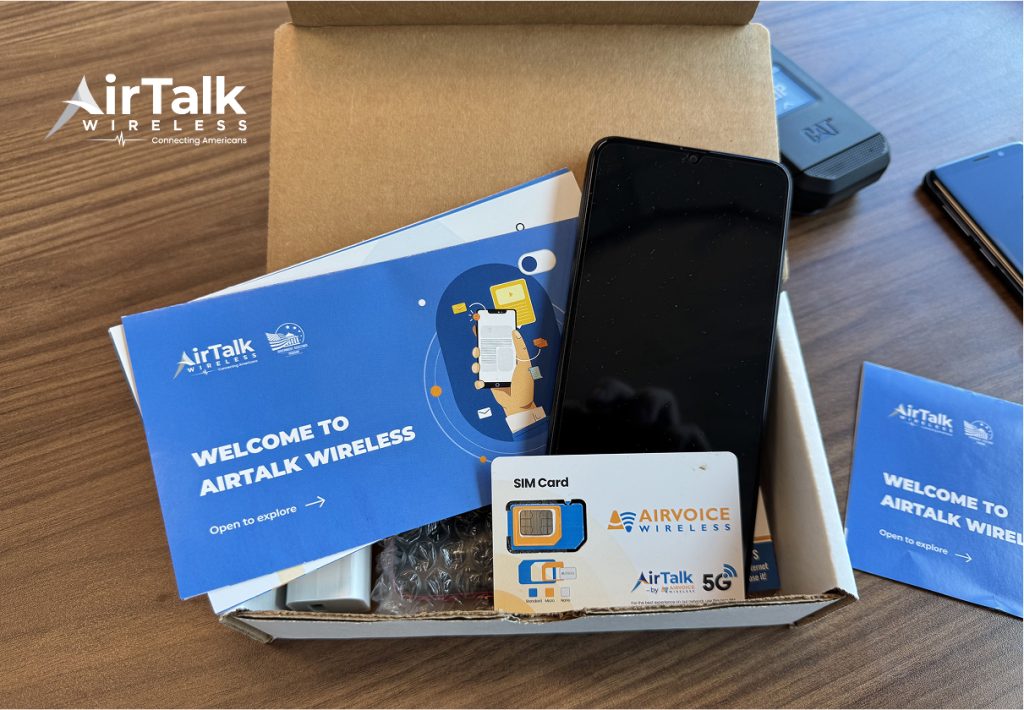
IMPORTANT: The government does not subsidize devices. Lifeline programs cover basic service costs only. Free or discounted devices, upgrade plans, or top-ups are exclusive benefits provided by AirTalk Wireless as part of our promotional offers. Terms and conditions apply. Limited-time promotion—offers vary by state, stock availability, and eligibility.
Conclusion
Medicaid income limits Iowa shape who qualifies for coverage, but eligibility often extends beyond healthcare alone. Understanding how income is reviewed, what services are covered, and what options exist when income is near the cutoff can help households protect their benefits.
For many Iowa residents, Medicaid approval also unlocks access to Lifeline-supported communication services, making it easier to stay informed, responsive, and covered over time.