


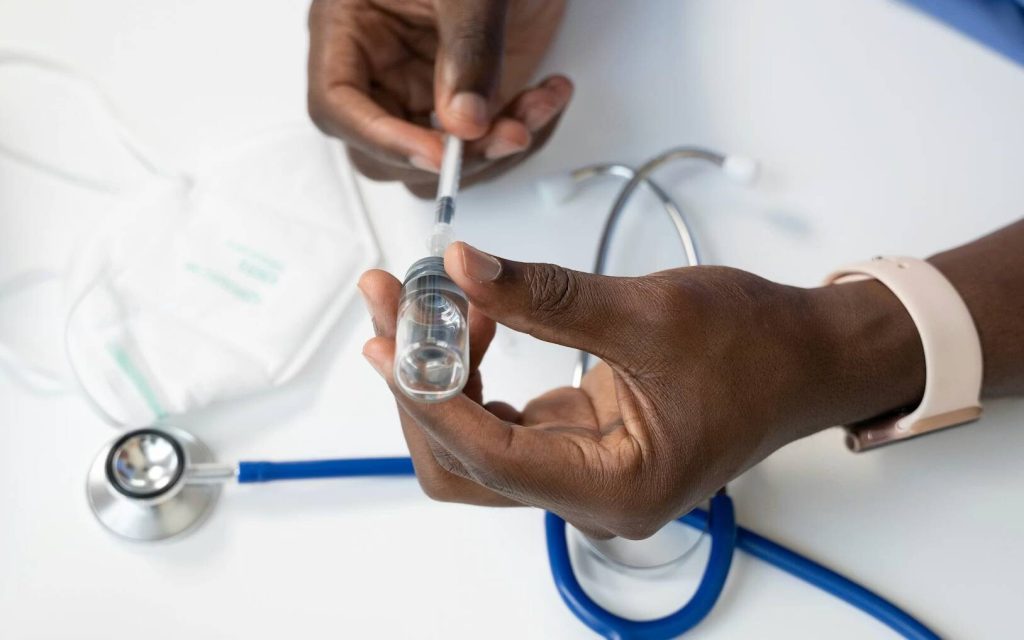
If you have Medicaid, you may have noticed that some prescriptions are filled quickly while others require extra steps, paperwork, or long waits. The reason often comes down to the Medicaid Preferred Drug List, a system that determines which medications are approved first and which ones need special review.
Understanding how this list works can help you avoid delays, ask the right questions, and stay on track with your treatment instead of being caught off guard at the pharmacy.
1. What Is the Medicaid Preferred Drug List?
The Medicaid Preferred Drug List (PDL) is a state-managed list of medications that Medicaid will generally approve first when a prescription is written. These drugs are selected based on clinical effectiveness, safety, and cost agreements negotiated between state Medicaid programs and drug manufacturers.
Each state maintains its own PDL, which means the medications covered, and the rules around them, can differ depending on where you live. When a prescription appears on the preferred list, it usually moves through approval faster and with fewer requirements for both patients and providers.


>>> Also read: Finding a Therapist That Take Medicaid: Covered Therapy Options and How to Get Care Faster
2. How the Medicaid Preferred Drug List Works
Each state manages its own version of the PDL, which is updated regularly to include new medications or move older ones based on clinical data. When your doctor writes a prescription, the pharmacy checks it against the Medicaid drug list for your specific state. If the medication is on the “preferred” side, the claim is processed instantly at the counter.
If a drug is not on the list, it does not necessarily mean it is unavailable. However, it often triggers a process called “prior authorization.” In this situation, your doctor must provide additional information to Medicaid explaining why a non-preferred drug is medically necessary for your treatment. This system helps the state prioritize treatments that work well for the majority of patients while maintaining a pathway for specialized care.
3. Preferred vs Non-Preferred Drugs Under Medicaid
Understanding the categories within the Medicaid preferred drug list can help you avoid surprises when picking up your medicine. The state classifies medications into these two main groups to streamline the dispensing process and manage healthcare budgets effectively.
Preferred Drugs
Preferred drugs are the medications that the state Medicaid agency encourages providers to prescribe first. These are often the “first-line” treatments for various conditions because they are proven to be both effective and safe for the general population.
- Instant approval: Most drugs in this category do not require prior authorization, meaning you can get your prescription filled immediately.
- Lower costs: These medications usually have the lowest co-pays for members, and in many states, they have a $0 out-of-pocket cost.
- Broad access: They are widely stocked by most pharmacies that participate in the Medicaid program.
Non-Preferred Drugs
Non-preferred drugs are medications that are not on the primary list. This group often includes newer, expensive brand-name drugs or medications that have a therapeutic equivalent already listed as preferred.
- Prior authorization required: Your doctor must submit a request to the state to explain why a preferred drug will not work for you.
- Clinical justification: Medicaid usually only covers these if you have already tried a preferred drug and it failed, or if you have a specific allergy or medical condition that requires the non-preferred option.
- Potential delays: It can take several days for the state to review the request, which may delay when you can start your medication.
>>> Also read: Eye Doctors That Take Medicaid: Coverage & Glasses
4. How to Check Your State’s Medicaid Preferred Drug List
Because each state manages its own healthcare program, the Medicaid preferred drug list can vary significantly depending on where you live. Staying informed about your state’s specific list helps you have more productive conversations with your doctor.
To find the most current version of your state’s PDL, you can follow these steps:
- Visit the official state Medicaid website: Look for sections labeled “Pharmacy Services,” “Drug List,” or “Formulary.” Most states provide a searchable PDF or an online tool.
- Contact your managed care organization (MCO): If you are enrolled in a specific health plan like UnitedHealthcare, Healthy Blue, or AmeriHealth, check their member portal. They often have a customized version of the state’s Medicaid preferred drug list.
- Use the ePASS or state portal: In states like North Carolina, you can log into your ePASS account to view pharmacy benefits specific to your plan.
- Consult your pharmacist: Your local pharmacist can quickly check if a drug is preferred by running a test claim through the Medicaid system.
According to the National Association of State Health Policy (NASHP, 2025), states update these lists at least once or twice a year, so it is a good idea to check back if your treatment plan changes.
5. Common Issues Patients Face With the Medicaid Drug List
Even when a medication is medically appropriate, patients often run into obstacles tied to how the Medicaid Preferred Drug List is structured. Some of the most common issues include:
- Unexpected prior authorization requests: A prescription may be delayed if the drug is non-preferred, even when it has been effective for the patient before.
- Step therapy requirements: Patients may be asked to try one or more preferred alternatives before Medicaid will consider covering the prescribed medication.
- State-specific differences: A drug covered in one state may not be preferred in another, which can be confusing for patients who move or switch providers.
- Communication gaps: Delays often happen because pharmacies, providers, and Medicaid offices are waiting on responses or missing documentation.
These challenges can result in treatment interruptions, extra clinic visits, or patients paying out of pocket while coverage is sorted out.
6. Why Reliable Phone Access Matters for Medicaid Prescription Coverage
Managing your prescriptions effectively requires a steady line of communication. When a medication is not on the list, your doctor’s office and the pharmacy often need to reach out to you to discuss alternatives or wait times. Without a reliable phone, these small delays can turn into weeks without the necessary medicine.
A dependable mobile device helps you stay on top of your healthcare in several ways:
- Real-time notifications: Receive text or call alerts from your pharmacy when a prescription is ready or if it requires prior authorization.
- Direct access to help: Use your number or your specific state’s helpline to check the status of a coverage request.
- Telehealth consultations: If a preferred drug isn’t working for you, a quick telehealth call can help your doctor adjust your prescription and start the authorization process for a non-preferred one.
- Mobile health apps: Most Medicaid plans now offer apps where you can view the digital Medicaid preferred drug list and track your claims directly from your smartphone.
Because communication is a necessity for health, the federal government offers the Lifeline program, which provides a monthly discount on phone or internet service to eligible low-income households, helping make connectivity more affordable.
If you are already enrolled in Medicaid, you are automatically eligible for these benefits. You can use your Medicaid benefit letter as proof of eligibility to streamline the process.
For those who qualify, AirTalk Wireless is one of the best FCC-approved providers that supports Medicaid-eligible users by offering access to dependable wireless service and device options through Lifeline-supported plans.
When applying through AirTalk, eligible applicants may also access special perks such as generous plans with unlimited talk and text, high-speed data, and free or heavily discounted devices – including smartphones and tablets.
Having consistent phone access makes it easier to coordinate with pharmacies, respond to coverage issues, and keep prescriptions on track.


Conclusion
The Medicaid Preferred Drug List explains why some prescriptions are approved quickly while others require extra review. By understanding how the list works, recognizing common approval issues, and maintaining reliable communication with providers and pharmacies, patients can reduce delays and avoid gaps in treatment.
For Medicaid members managing prescription coverage, staying connected through approved support options can make a meaningful difference in navigating the process smoothly.