



Pregnancy comes with major physical, emotional, and financial changes. For many expectant mothers, understanding Medicaid pregnancy coverage is the key to getting timely care without overwhelming medical bills. Medicaid plays a critical role in ensuring pregnant individuals can access prenatal care, labor and delivery services, and postpartum support often at little to no cost.
This guide explains what Medicaid pregnancy coverage includes, how to apply, what benefits go beyond medical care, and why staying connected during pregnancy matters more than many people realize.
1. Understanding Medicaid Pregnancy Coverage


At its core, Medicaid pregnancy coverage is designed to ensure pregnant individuals receive medically necessary care throughout pregnancy and after childbirth. Federal Medicaid law requires states to cover pregnancy-related services, but income limits and eligibility rules vary by state.
Does Regular Medicaid Cover Pregnancy?
Yes, in most cases, if you already qualify for Medicaid before becoming pregnant, pregnancy care is included automatically.
For those who were not eligible before, pregnancy itself may qualify them for pregnancy-specific Medicaid programs with higher income thresholds.
Importantly, Medicaid pregnancy coverage applies regardless of whether the pregnancy was planned and does not require proof of marital status or employment. Coverage typically begins as soon as eligibility is approved, and many states allow retroactive coverage for prenatal care received up to three months before application.
2. Medical Services Covered During Pregnancy
One of the most common concerns is what medical services are actually included under Medicaid pregnancy coverage. While details vary by state, federal guidelines ensure comprehensive care during pregnancy.
Most Medicaid pregnancy plans cover:
- Prenatal doctor visits and routine checkups
- Lab tests, ultrasounds, and screenings
- Prescription medications related to pregnancy
- Labor and delivery, including hospital stays
- Postpartum care, typically lasting at least 12 months after birth in many states
These services are considered essential to maternal and infant health, which is why Medicaid pregnancy coverage is broader than standard Medicaid in many situations.
When people ask “What can I get free while pregnant?”The answer often includes not only medical visits but also preventive services that reduce long-term health risks for both mother and baby.
>>> Read more: Does Medicaid Cover IVF? 6 Basics You Should Know in 2026
3. How to Apply for Medicaid Pregnancy Coverage?
Applying for Medicaid pregnancy coverage follows a defined process, but timelines and eligibility rules are slightly different from regular Medicaid due to the urgency of prenatal care.
You can apply through:
- Your state Medicaid or Health Insurance Marketplace website
- A local Medicaid or Department of Social Services office
- Community health centers, hospitals, or pregnancy clinics that assist with Medicaid applications
To complete the application, most states require:
- Proof of pregnancy (such as a doctor’s note or medical confirmation)
- Household income information (pay stubs, tax documents, or self-attestation if applicable)
- Proof of state residency and identity
Many states use presumptive eligibility, which allows pregnant applicants to receive temporary Medicaid pregnancy coverage while the full application is being reviewed. This helps ensure prenatal care is not delayed.
Once approved, coverage typically lasts throughout pregnancy and into the postpartum period, which may extend up to 12 months after birth, depending on state policy, even if household income changes slightly after delivery.
4. What Benefits Can I Claim While Pregnant Beyond Medical Care?
Medical services are only one part of Medicaid pregnancy coverage. Many people are surprised to learn that pregnancy-related Medicaid can also connect them to additional support programs.
What benefits can I claim while pregnant?
Depending on your state, Medicaid eligibility during pregnancy may help you access:
- Nutritional support programs such as WIC
- Transportation assistance for medical appointments
- Childbirth education and counseling services
- Referrals to home visiting or maternal health programs
These benefits exist because Medicaid pregnancy coverage is designed to support long-term maternal and infant health, not just delivery.
Why Medicaid Pregnancy coverage matters for long-term health?
Consistent prenatal care reduces the risk of complications such as preterm birth, gestational diabetes, and postpartum health issues. By covering preventive services early, Medicaid pregnancy coverage helps lower healthcare costs later while improving outcomes for both parent and child.
5. Stay Connected During Pregnancy With a Free Phone
While Medicaid pregnancy coverage focuses on medical care, staying enrolled and using those benefits effectively also depends on reliable communication. Many Medicaid members face delays, not because they are ineligible, but because they miss calls, notices, or appointment reminders.
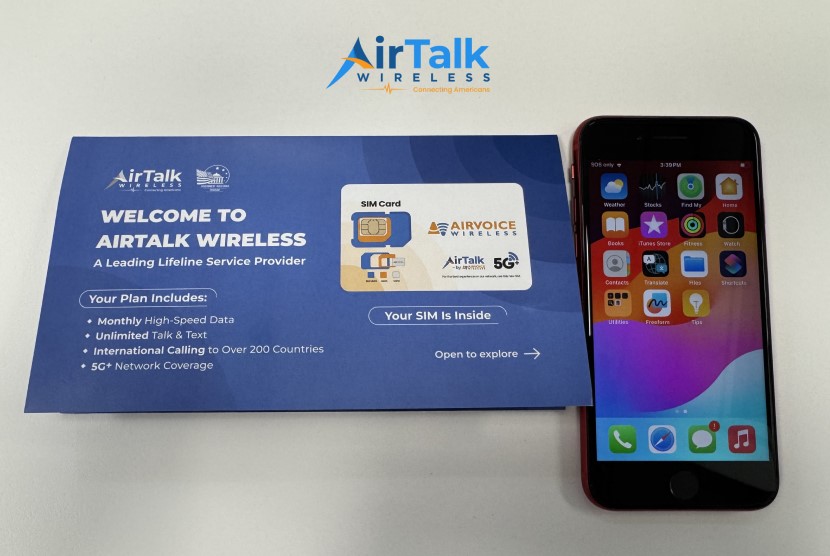
This is where the federal Lifeline program, delivered through participating providers such as AirTalk Wireless, can provide practical communication support.
It is important to clarify:
- Lifeline is a federal communications assistance program, not a healthcare benefit
- Medicaid participation may qualify someone for Lifeline, but the phone and wireless service are provided by approved companies like AirTalk Wireless
- These services do not replace or expand medical coverage, but help members stay reachable while managing Medicaid-related care
Through Lifeline-approved providers such as AirTalk Wireless, eligible pregnant Medicaid members may receive:
- A smartphone provided by the service provider
- Monthly talk, text, and data allowances
- No long-term contracts or cancellation fees
For individuals enrolled in Medicaid pregnancy, having reliable phone access can help with:
- Receiving appointment reminders from clinics or OB providers
- Communicating with Medicaid offices about eligibility or renewals
- Responding quickly to document requests or notices
- Accessing telehealth services when offered by providers
In this way, communication support through Lifeline-participating providers like AirTalk Wireless helps reduce administrative barriers, allowing pregnant Medicaid members to focus on care, not missed connections.

Final Thoughts
Understanding Medicaid pregnancy coverage can remove significant stress during an already demanding time. From prenatal visits and delivery to postpartum care and additional support services, Medicaid ensures that pregnancy-related healthcare remains accessible for eligible individuals.
Equally important is staying connected throughout the process. Communication tools provided through Lifeline-participating providers like AirTalk Wireless help Medicaid members manage appointments, paperwork, and follow-up care without unnecessary delays.
If you are pregnant or planning to apply, reviewing your state’s Medicaid rules and exploring available support programs early can make a meaningful difference in your pregnancy journey.