


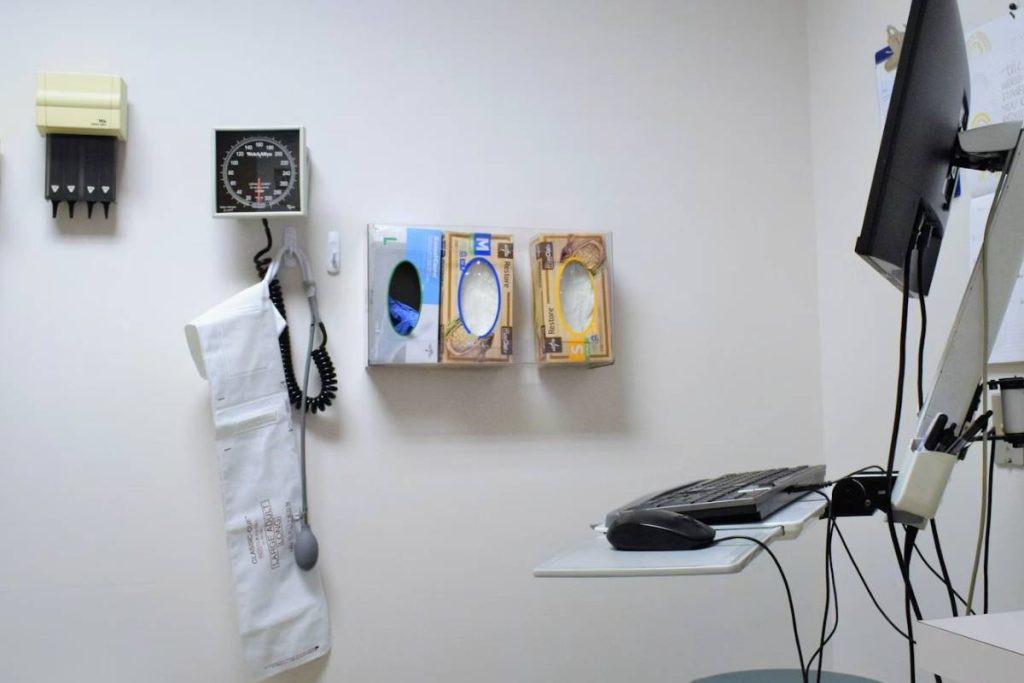
MN Medicaid, also known as Medical Assistance in Minnesota, helps eligible residents access healthcare when income or life circumstances make private insurance difficult. The program plays a central role in covering children, adults, seniors, and people with disabilities across the state.
Eligibility depends on income, household size, and residency, and benefits can vary based on coverage type. This guide explains how MN Medicaid works, who may qualify, what services are covered, and the next steps to take if you need help applying or managing benefits.
1. What MN Medicaid Is and Why It Matters in Minnesota


MN Medicaid, officially called Medical Assistance, is Minnesota’s public health coverage program for residents who meet income and eligibility rules. The program is administered by the Minnesota Department of Human Services and follows federal Medicaid guidelines while reflecting state-specific policies.
MN Medicaid matters because it provides access to essential healthcare for children, adults, seniors, and people with disabilities across Minnesota. Coverage helps with preventive care, treatment for ongoing conditions, and services that would otherwise be difficult to afford.
For many households, MN Medicaid is the primary way to maintain consistent access to doctors, prescriptions, and behavioral health services.
2. Who Qualifies for MN Medicaid
Eligibility for MN Medicaid is based on income, household size, residency, and personal circumstances. Minnesota uses different coverage pathways to serve distinct groups, which means qualification rules are not the same for everyone.
Income is a key factor. When people ask about MN Medicaid income limits, the answer depends on the coverage group and household size.
Minnesota sets income thresholds as a percentage of the Federal Poverty Level, and these limits can change over time. Some groups qualify based mainly on income, while others may qualify due to age, disability, or medical need.
In general, MN Medicaid eligibility may apply to:
- Adults with low income
- Children and teens
- Pregnant individuals
- Parents or caregivers
- Seniors age 65 and older
- People with disabilities or special medical needs
Applicants must also meet state residency requirements and provide accurate household information. Minnesota reviews applications to determine the appropriate coverage category and benefit level.
Because eligibility rules vary by situation, confirming income limits and requirements for your specific household is an important step before applying.
3. What MN Medicaid Covers?
MN Medicaid, also called Medical Assistance, covers a wide range of healthcare services to help eligible residents access ongoing and preventive care. Coverage details can vary by eligibility group, but the program is designed to support both short term medical needs and long term health management.
Core Medical Services Covered
MN Medicaid commonly covers essential medical services, including:
- Primary care visits and preventive checkups
- Hospital services, both inpatient and outpatient
- Prescription medications approved under the state formulary
- Emergency care and medically necessary transportation
- Maternity care, including prenatal and postpartum services
- Pediatric care and routine screenings
These services form the foundation of MN Medicaid and are available to most eligible members.
Dental Vision and Mental Health Coverage
MN Medicaid also includes coverage for dental, vision, and mental health services, which are important for overall health.
Dental coverage often includes exams, cleanings, and basic restorative care, though the scope can differ for adults and children. Vision services may include eye exams and, in some cases, corrective lenses based on age and medical need.
Mental health and substance use services are covered as part of Minnesota’s Medicaid program. This can include counseling, therapy, psychiatric services, and treatment programs, depending on eligibility and care plans.
Services MN Medicaid Does Not Fully Cover
While MN Medicaid offers broad coverage, some services may be limited or not fully covered. These can include:
- Elective or cosmetic procedures
- Certain non-emergency services without prior approval
- Optional upgrades or non-medically necessary items
Coverage limits depend on medical necessity, provider approval, and specific program rules. Members should confirm benefits before receiving services that may fall outside standard coverage.
4. How to Apply for MN Medicaid Step by Step
Applying for MN Medicaid involves submitting an application through Minnesota’s official enrollment system. Applicants can choose the method that best fits their situation.
Step 1: Start Your Application Online
Many applicants apply online through Minnesota’s public benefits system. The application allows you to enter household details, income information, and residency status.
Step 2: Use the MN Medicaid Provider and Member Systems
After applying, members and providers may interact with the MN Medicaid provider portal to manage coverage, verify eligibility, and handle claims or service coordination. This portal supports communication between Medicaid members, providers, and the state.
Step 3: Provide Required Information
Applicants may be asked to submit additional information to confirm eligibility. Responding promptly helps avoid delays.
Step 4: Receive a Decision and Enroll
Once reviewed, the state notifies applicants of their eligibility decision. Approved members receive coverage details and information on how to access services.
Keeping contact information up to date during the application process helps ensure timely communication and smoother enrollment.
5. Common Reasons MN Medicaid Applications Get Delayed or Denied
MN Medicaid applications are often delayed for practical reasons rather than eligibility issues. Knowing what causes delays can help applicants respond quickly and keep coverage on track.
Common reasons include:
- Missing or incomplete information, such as household details or income updates
- Unverified residency or household size, which Minnesota reviews carefully
- Late responses to follow-up requests from the state
- Changes in income or employment that are not reported promptly
- Application errors, including outdated contact information
Most delays can be resolved by responding quickly when the state requests clarification. Keeping your phone number and address current is especially important during review periods.
6. How MN Medicaid Members Stay Connected to Health Services
Access to care depends on staying reachable. Clinics, pharmacies, and county offices rely on phone communication to confirm appointments, request documents, and coordinate services.
Why Reliable Phone Access Matters for Medicaid Users
For MN Medicaid members, missed calls can lead to missed appointments, delayed prescriptions, or postponed application decisions. Providers may also call to confirm insurance details before visits. When these calls go unanswered, appointments may be canceled or rescheduled weeks later.
Renewals and eligibility checks also depend on timely responses. Reliable phone access helps members respond quickly and avoid interruptions in care.
Free Phone Options for MN Medicaid Members Through Lifeline
MN Medicaid enrollment qualifies eligible individuals for the federal Lifeline program, which helps reduce the cost of phone service through approved providers. Specifically, when you apply for Lifeline benefits at FCC-approved providers, you can also get a free device like a phone, tablet, or even a smartwatch – as an extra perk.
Having a free phone with Medicaid through a Lifeline provider can help members stay reachable for ongoing health needs.
AirTalk Wireless is one of the providers that offers Lifeline-supported phone service to eligible MN Medicaid members. Depending on location and availability, options may include discounted smartphones with free monthly talk, text, and mobile data.
The general steps include:
- Visit the provider website
- Enter your ZIP code to view available phones and plans
- Select a Lifeline-supported service option and pick your desired device
- Complete the online application using MN Medicaid eligibility
- Submit and wait for approval through the National Verifier
Phone options and availability can vary by area.


IMPORTANT: The government does not subsidize devices. Lifeline programs cover basic service costs only. Free or discounted devices, upgrade plans, or top-ups are exclusive benefits provided by AirTalk Wireless as part of our promotional offers. Terms and conditions apply. Limited-time promotion—offers vary by state, stock availability, and eligibility.
Conclusion
MN Medicaid plays an important role in helping Minnesota residents access healthcare, but applications and renewals can be delayed without timely communication. Understanding coverage, eligibility, and common issues helps members avoid interruptions.
Staying connected supports smoother enrollment, appointment scheduling, and follow-ups. For eligible members, Lifeline-supported phone service through providers like AirTalk Wireless can help maintain reliable access to health services and benefits.