


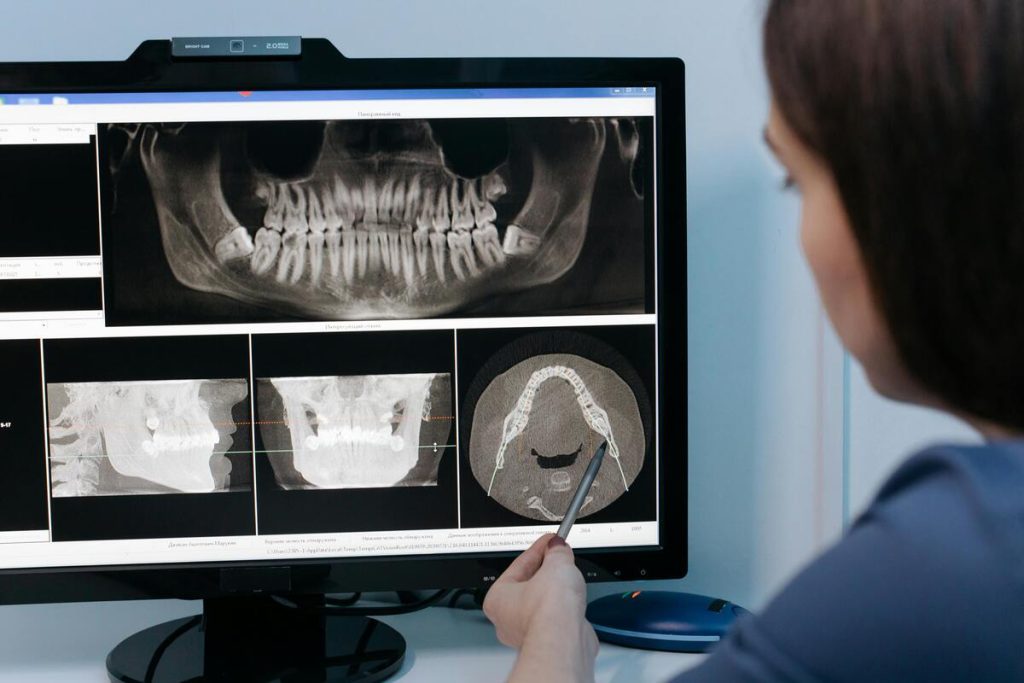
Finding an orthodontist that accept Medicaid can feel overwhelming, especially for families hoping to get braces covered for their children or teens.
While Medicaid does offer orthodontic benefits in certain situations, coverage is far more limited than many people expect. Understanding how Medicaid views braces, who qualifies, and why many orthodontists opt out is essential if you want realistic expectations and a workable plan.
This guide breaks down how Medicaid orthodontic coverage actually works, why denials happen, and how to improve your chances of finding care that fits both your medical needs and your budget.
1. Orthodontist That Accept Medicaid & What Coverage Really Looks Like
Medicaid is a joint federal–state program, meaning orthodontic benefits are largely determined at the state level.
As a result, coverage rules vary widely across the country. In most states, orthodontist that accept Medicaid provide services only when braces are considered medically necessary, not cosmetic.
Who Is Most Likely to Qualify for Medicaid Orthodontic Coverage:
Medicaid orthodontic coverage is primarily designed for children and adolescents. Under the federal Early and Periodic Screening, Diagnostic, and Treatment (EPSDT) mandate, states must provide medically necessary dental care to beneficiaries under age 21.
Children may qualify if they have:
- Severe malocclusion affecting chewing or speech
- Cleft palate or craniofacial abnormalities
- Jaw growth disorders
- Trauma-related dental misalignment
In these cases, an orthodontist that accept Medicaid must submit documentation proving that braces are required to correct a functional medical problem.


One of the biggest challenges families face is simply finding an orthodontist that accept Medicaid at all. Many orthodontists choose not to participate because:
- Medicaid reimbursement rates are significantly lower than private insurance
- Prior authorization paperwork is extensive
- Approval and payment timelines are slow
- Coverage denials are common
These factors reduce provider participation.
>>> Read more: Does Medicaid Cover Wisdom Teeth Removal?
2. Does an Orthodontist Accept Medicaid for Braces?
Does an orthodontist accept Medicaid? Some do, but only under strict conditions.
Medicaid does not generally cover braces for cosmetic alignment. Braces must correct a documented medical issue, and approval must be granted before treatment begins. Even when an orthodontist that accept Medicaid is available, coverage is not guaranteed.
Most states use a scoring system, such as the Handicapping Labio-Lingual Deviation (HLD) Index, to determine medical necessity. If the patient does not meet the threshold score, Medicaid will deny coverage.
3. Why Would Medicaid Deny Braces?
Denials typically occur for these reasons:
- The condition is classified as cosmetic
- The severity score does not meet state requirements
- Documentation is incomplete or inconsistent
- The patient is over age 21 (adult orthodontic coverage is extremely rare)
- Prior authorization was not approved
In addition, Medicaid often requires evidence that non-surgical or less costly treatments have been attempted first.
If prior dental care, monitoring, or corrective approaches were not documented, coverage may be denied. Timing also matters; applications submitted outside approved enrollment or review periods may be rejected automatically.
Even when families work with an orthodontist who accepts Medicaid, a denial does not mean the orthodontic issue isn’t real. It means Medicaid does not classify the condition as medically necessary under current state policy and federal guidelines.
4. Understanding Policy: When Did Medicaid Stop Covering Braces?
Many families ask When did Medicaid stop covering braces? The reality is that Medicaid never universally covered braces for everyone.
Why Medicaid Coverage for Braces Was Reduced
States have tightened orthodontic benefits due to:
- Rising healthcare costs
- Budget constraints
- Classification of braces as elective rather than essential care
As a result, many states narrowed coverage strictly to severe medical cases.
Why Braces Are Still Covered in Some Cases
Despite reductions, braces remain covered for children with serious functional impairments under EPSDT rules. This means the orthodontist that accept Medicaid can still provide care when braces prevent long-term medical complications, such as jaw dysfunction or speech impairment.
5. How to Find an Orthodontist That Accepts Medicaid Near You
Locating an orthodontist that accept Medicaid requires patience and strategy. Here are practical steps that improve your chances:
- Start with your state Medicaid website: Many states maintain searchable provider directories.
- Contact Medicaid Managed Care Organizations (MCOs): MCOs often have updated provider lists not available online.
- Call dental schools or university clinics: Teaching institutions are more likely to accept Medicaid orthodontic cases.
- Ask pediatric dentists for referrals: Pediatric dentists often know which orthodontists still accept Medicaid.
- Confirm coverage details before appointments: Always verify that the orthodontist both accepts Medicaid and is accepting new Medicaid patients.
Because availability changes frequently, finding an orthodontist that accept Medicaid may require multiple calls.
>>> Read more: How Does MediCal Work? A Comprehensive Guide
6. Free Phone with Medicaid? Yes, You May Qualify for One
Many people are surprised to learn that their Medicaid enrollment may also qualify them for a free phone and free monthly service through the federal Lifeline program.
Lifeline is a federal benefit that helps low-income individuals stay connected to essential services. If you participate in Medicaid, you automatically qualify for Lifeline benefits.
When you enroll with a licensed Lifeline provider such as AirTalk Wireless, you can receive free monthly talk, text, and data, and in many cases, a free or deeply discounted smartphone as part of your Lifeline plan.
Some of the devices you may get include:
Device availability and data limits may vary by state and current promotions, but Lifeline participants can easily check which phones and plans are available in their area by starting an application with AirTalk Wireless.


Final Thoughts
Finding an orthodontist that accept Medicaid is possible but only when expectations align with how Medicaid actually works. Braces are covered only in medically necessary cases, primarily for children, and approval depends heavily on documentation and state policy.
If your application is denied, it does not mean your child doesn’t need care; it means Medicaid does not classify the case as medically essential. In those situations, exploring payment plans, dental schools, or alternative programs may be necessary.
At the same time, remember that Medicaid enrollment unlocks additional benefits, including communication support, such as a free Lifeline phone with service. Understanding the system is the first step toward making it work for you.