


For many expectant mothers, healthcare access during pregnancy is not optional, it is essential. pregnancy Medicaid Florida exists to ensure that pregnant individuals can receive prenatal, delivery, and postpartum care even if they do not qualify for regular Medicaid. Understanding how this program works, who qualifies, and how to apply can make a meaningful difference in both maternal and infant health outcomes.
This guide explains pregnancy Medicaid Florida clearly, including income limits, eligibility rules, and how this coverage can also connect families to additional support programs like Lifeline phone services.
1. Why Pregnancy Medicaid Is Different From Regular Medicaid?
One of the most important things to understand about pregnancy Medicaid Florida is that it operates under different eligibility rules than standard adult Medicaid.
Regular Medicaid for adults in Florida is limited and primarily available to specific categories such as parents of minor children or individuals with disabilities. Pregnancy Medicaid, however, is designed as a temporary but expanded coverage option focused on protecting maternal and infant health.
Key differences include:
- Higher income limits than standard Medicaid
- Coverage specifically tied to pregnancy status
- Eligibility that does not require permanent Medicaid enrollment
- Automatic time limits tied to pregnancy and postpartum periods
Because of these differences, many women who do not qualify for standard Medicaid may still be eligible for pregnancy Medicaid Florida during pregnancy.
2. What Is Pregnancy Medicaid in Florida?


Pregnancy Medicaid Florida is a state-administered Medicaid category that provides healthcare coverage to eligible pregnant individuals throughout pregnancy and for a defined postpartum period.
Coverage typically includes:
- Prenatal doctor visits and screenings
- Labor and delivery services
- Hospital stays related to childbirth
- Prescription medications related to pregnancy
- Postpartum medical care for a limited time after birth
It is important to note that Florida pregnancy Medicaid is focused on maternal healthcare. While newborns may qualify for their own Medicaid coverage after birth, they are enrolled under separate eligibility rules.
3. Pregnancy Medicaid Income Limits Florida Explained
Income eligibility is one of the most common concerns when applying for pregnancy Medicaid Florida. Florida determines eligibility using household income as a percentage of the Federal Poverty Level (FPL).
What is the income limit for pregnancy Medicaid in Florida?
To qualify for pregnancy Medicaid Florida, household income must fall below a higher threshold than regular adult Medicaid. Florida generally allows pregnant applicants to qualify at over 190% of the Federal Poverty Level, making this program more accessible to working families.
Income is assessed based on:
- Gross household income
- Household size, including the unborn child
- Current income at the time of application
This higher limit reflects the increased medical needs during pregnancy and is a core feature of pregnancy Medicaid income limits Florida.
Pregnancy Medicaid income limits Florida by household size
Household size plays a critical role in determining eligibility. Florida counts the pregnant individual and the unborn child when calculating household size, which can significantly increase income eligibility.
For example:
- A single pregnant individual may qualify at a higher income level than a non-pregnant adult
- Larger households benefit from increased income thresholds
- Changes in household size should be reported promptly
Understanding how pregnancy Medicaid income limits Florida are calculated can prevent unnecessary denials or delays.
4. How to Apply for Pregnancy Medicaid in Florida?
Applying for pregnancy Medicaid Florida follows a clear process, and the state provides multiple application methods to ensure pregnant individuals can access care as early as possible. You do not need to wait until later in pregnancy, applying early helps secure prenatal coverage without delays.
You can apply through the following options:
Florida access online portal
This is the fastest and most commonly used method. Applicants can submit information, upload documents, and track application status online.
Mail-in Medicaid application
Paper applications can be sent to the Florida Department of Children and Families (DCF), which may be helpful for those without reliable internet access.
In-person assistance at local offices or community partners
Many applicants receive help completing forms through local DCF offices, health departments, or WIC clinics.
To complete your application, you will typically need to provide:
- Proof of pregnancy (such as a doctor’s note or clinic confirmation)
- Proof of Florida residency
- Household income verification (pay stubs, benefit letters, or tax documents)
- Personal identification
After submission, applications are reviewed to confirm eligibility under pregnancy Medicaid Florida guidelines. If approved, coverage often starts retroactively, meaning qualifying medical services received shortly before approval may still be covered. This retroactive protection is especially important for individuals who seek prenatal care early but apply after their first appointments.
Applying promptly and submitting complete documentation can help prevent delays and ensure continuous access to pregnancy-related healthcare services.
5. Can Medicaid Help You Qualify for Lifeline Phone Service?
Many families do not realize that participation in pregnancy Medicaid Florida may open the door to other essential assistance programs.
Lifeline is a federal program overseen by the Federal Communications Commission (FCC) that helps low-income households afford phone and internet services. In many states, Medicaid participation is recognized as a qualifying program for Lifeline.

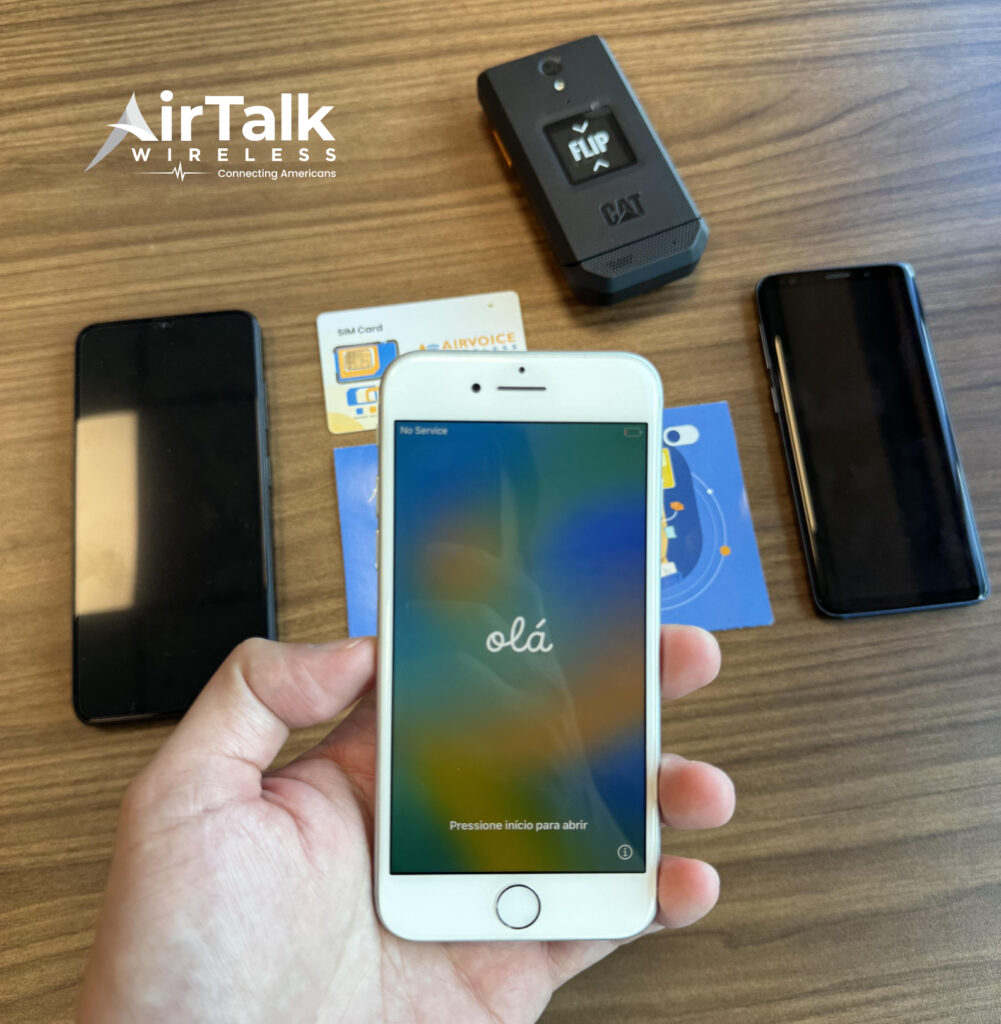
While rules can vary by provider and location, being enrolled in Medicaid may help demonstrate eligibility for benefits from approved-providers, including:
- Free or discounted mobile phone service
- Monthly talk, text, and data allowances
- Reduced-cost internet access
Reliable phone access is especially important during pregnancy for:
- Communicating with healthcare providers
- Receiving appointment reminders
- Managing Medicaid paperwork and updates
- Emergency communication
6. How AirTalk Wireless Supports Pregnant Medicaid Recipients?
AirTalk Wireless is a Lifeline-approved provider that supports eligible Medicaid households by offering free or low-cost wireless services.
For individuals enrolled in Medicaid, AirTalk Wireless may provide:
- A free smartphone for eligible applicants
- No monthly phone bills
- Nationwide coverage for essential communication
This support can be particularly valuable during pregnancy, when staying connected to clinics, pharmacies, and social services is critical. While enrollment is not automatic, pregnancy Medicaid participation can help simplify the Lifeline eligibility process.
Checking eligibility directly with a Lifeline provider ensures accurate and up-to-date information.
Final Thoughts
Pregnancy Medicaid Florida exists to ensure that no pregnant individual is forced to delay or skip medical care due to cost. With higher income limits, pregnancy-focused coverage, and streamlined application options, this program plays a vital role in protecting maternal and infant health.
Beyond healthcare, enrollment in pregnancy Medicaid Florida may also connect families to additional support systems such as Lifeline phone services through providers like AirTalk Wireless. Taking the time to understand eligibility rules and application steps can unlock multiple layers of assistance during an important life stage.