


Finding rehabs that accept Medicaid can feel overwhelming, especially when treatment is needed quickly and costs are a concern. Medicaid does cover certain rehab services, but coverage depends on the type of treatment, your state’s rules, and whether the facility is approved. Some programs focus on inpatient care, others on outpatient or community-based treatment, and not all centers accept Medicaid plans.
This guide explains how Medicaid works with rehab services, what types of rehab programs may be available, and how to find affordable treatment options near you without unnecessary delays.
1. Does Medicaid Cover Rehab Services?
Medicaid does cover rehab services, but coverage is not unlimited and depends on several factors. Each state runs its own Medicaid program, so the exact services covered can vary by location. In general, Medicaid may pay for substance use treatment, behavioral health care, and certain rehabilitation services when they are medically necessary and provided by approved facilities.


Coverage often depends on the type of rehab, the level of care needed, and whether prior authorization or a referral is required. Medicaid typically focuses on essential treatment rather than amenities, which is why confirming coverage before enrolling in a program is important.
2. What Types of Rehabs That Accept Medicaid Exist?
There are different types of rehabs that accept Medicaid, designed to meet varying treatment needs and budgets. While many people search for drug rehabs that accept Medicaid, fewer programs fall into the category of luxury rehabs that accept Medicaid, as Medicaid does not usually cover high-end accommodations or non-medical extras.
Below are the most common rehab options available to Medicaid members.
Inpatient Rehab Centers That Accept Medicaid
Inpatient rehab centers provide structured, 24-hour care in a residential setting. Medicaid may cover inpatient rehab when a person requires close medical supervision, detox support, or intensive treatment that cannot be managed at home.
Coverage typically includes basic room and board, clinical services, counseling, and medications related to treatment. Stays are often time-limited and must meet medical necessity criteria set by the state or managed care plan.
Outpatient Rehab Clinics That Accept Medicaid
Outpatient rehab clinics allow patients to live at home while attending scheduled treatment sessions. These programs are commonly covered by Medicaid and may include individual counseling, group therapy, medication-assisted treatment, and behavioral health services.
Outpatient care is often used for ongoing recovery or for individuals who do not require full-time supervision. Medicaid may cover multiple visits per week, depending on the treatment plan and approval rules.
Community-Based and State-Funded Rehab Programs
Community-based and state-funded rehab programs are among the most accessible options for Medicaid members. These programs are often designed specifically for low-income individuals and work closely with state Medicaid agencies.
Services may include substance use counseling, recovery support, mental health care, and referrals to additional resources. Availability can depend on local funding and capacity, but these programs are often a starting point for people seeking affordable rehab care through Medicaid.
>>> Read more: Does Medicaid Cover Therapy? What Services Are Covered
3. How to Find Rehabs That Accept Medicaid Near You
Searching for rehabs near me that accept Medicaid often requires checking more than one source. Not every treatment center accepts Medicaid, and even those that do may only work with specific plans. Taking a few structured steps can help you identify approved rehab options faster.
Check Your State Medicaid Provider Directory
Each state maintains a Medicaid provider directory that lists approved healthcare facilities, including rehab centers. These directories usually allow you to filter by service type, such as substance use treatment or behavioral health care.
Because directories are updated regularly, this is one of the most reliable ways to confirm whether a rehab center is currently enrolled with Medicaid in your state.
Contact Rehab Centers Directly to Confirm Coverage
Even if a facility appears in a directory, it is still important to contact the rehab center directly. Coverage can vary by Medicaid plan, treatment level, and available funding.
When calling, ask whether the center accepts your specific Medicaid plan and whether there are limits on the length of stay or types of services covered. This step helps avoid surprises after the intake process begins.
Ask Your Medicaid Managed Care Plan
If you are enrolled in a Medicaid managed care plan, your plan provider can be a helpful resource. Member services can confirm which rehab facilities are in-network and explain referral or authorization requirements.
They may also help coordinate care, schedule evaluations, or connect you with approved treatment programs that match your needs.
4. What You Need Before Contacting a Medicaid Rehab Center
Having basic information ready can speed up conversations with rehab centers and reduce back-and-forth delays.
Medicaid Status and Plan Information
Be prepared to share your Medicaid enrollment status, managed care plan name, and member ID number. Rehab centers often need this information to verify eligibility and confirm coverage.
Referral or Prior Authorization (If Required)
Some rehab services require a referral from a doctor or prior authorization from Medicaid or your managed care plan. Knowing whether this step is needed can help you plan ahead and avoid application delays.
Proof of Residency and Identity
Rehab centers may request proof that you live in the state where you are seeking treatment, along with basic identity documents. These requirements help confirm eligibility under state Medicaid rules and ensure services are billed correctly.
5. Common Reasons Medicaid Rehab Requests Get Denied
Medicaid rehab requests are often denied for reasons that have little to do with a person’s willingness to seek treatment. In many cases, the issue is administrative rather than medical.
One common reason is a lack of medical necessity as defined by the state Medicaid program. If the documentation does not clearly show why a specific level of rehab care is required, the request may be rejected or downgraded to a lower level of treatment.
Another frequent issue is missing referrals or prior authorization. Some inpatient or specialized rehab services must be approved before treatment begins. Starting care without completing this step can lead to denied claims.
Out-of-network facilities are also a major cause of denial. Even if a rehab center advertises that it accepts Medicaid, it may not be enrolled with your specific Medicaid plan or managed care provider.
Finally, incomplete paperwork or missed follow-ups can delay or stop approval. When Medicaid or a rehab center requests additional information and does not receive it in time, the request may be closed or denied.
6. Staying Connected During Rehab and Medicaid Approval
Rehab treatment often involves ongoing coordination between providers, Medicaid offices, and managed care plans. During this time, consistent communication becomes part of the treatment process itself.
Why Communication Matters During Treatment
Once rehab begins, phone calls and messages are often used to confirm continued coverage, adjust treatment plans, or schedule follow-up services. Providers may also need quick responses if authorization periods are ending or additional documentation is required.
If contact is lost during treatment, services can be paused or shortened, even when care is medically appropriate. For Medicaid members, staying reachable helps keep treatment uninterrupted and supports smoother coordination between all parties involved.
Free Phone Support for Medicaid Members Through Lifeline
For Medicaid members who struggle with phone access, the Lifeline program offers support designed for low-income households by reducing the cost of phone service. Lifeline itself does not provide phones directly. Instead, benefits are delivered through approved providers.


Through Lifeline providers such as AirTalk Wireless, eligible Medicaid members may qualify for a free Medicaid phone or discounted phone service, depending on availability. This can be especially helpful during rehab, when regular communication with treatment centers and Medicaid representatives is required.
AirTalk Wireless allows users to check eligibility online, enter a ZIP code to see available phone options, and complete the application digitally. Having steady phone access during rehab helps ensure calls from providers are not missed, and coverage-related issues can be addressed quickly.
Reliable communication supports continuity of care, which is a key part of successful treatment under Medicaid.

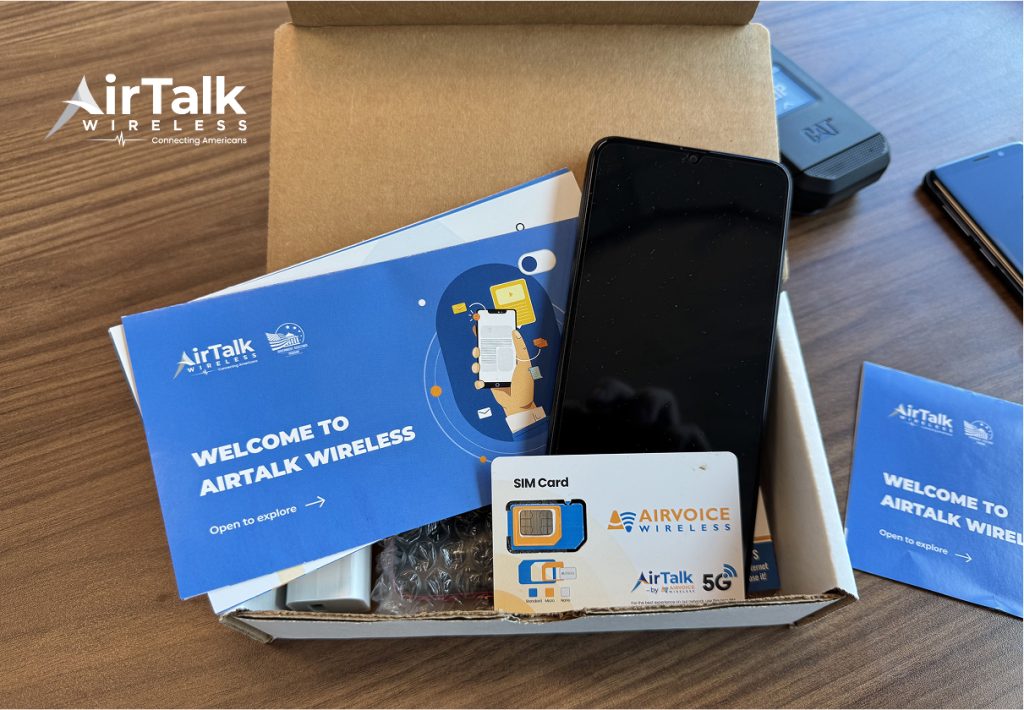
IMPORTANT: The government does not subsidize devices. Lifeline programs cover basic service costs only. Free or discounted devices, upgrade plans, or top-ups are exclusive benefits provided by AirTalk Wireless as part of our promotional offers. Terms and conditions apply. Limited-time promotion—offers vary by state, stock availability, and eligibility.
Conclusion
Getting treatment through rehabs that accept Medicaid often depends on more than availability alone. Approval timing, documentation, and consistent communication all play a role in whether care continues without interruption. Many delays happen not because treatment is denied, but because follow-up requests are missed during the process.