



Finding a speech therapist that accept Medicaid can feel harder than it should be. While Medicaid often covers medically necessary speech therapy for children and adults, not every private clinic accepts it, and available appointment slots can fill quickly.
Understanding where speech therapy actually happens, what documents are required, and how scheduling works can make the difference between getting care promptly and waiting months for services.
1. Do Speech Therapists Accept Medicaid?
Yes, many speech therapists accept Medicaid, but access depends heavily on where you look and whether the provider is enrolled in your specific state Medicaid program or managed care plan. Medicaid generally covers speech-language pathology services when they are considered medically necessary.
This often includes therapy for speech delays, articulation disorders, language impairments, swallowing disorders, stroke-related communication loss, and developmental conditions.
However, private speech therapy offices are not required to accept Medicaid. Some limit the number of Medicaid patients they see, while others only contract with certain managed care plans. That is why families often find that coverage exists on paper, but appointment availability is limited in practice.
Before assuming a provider participates, verify that they:
- Accept your exact Medicaid plan, not just “Medicaid” broadly
- Have availability for new Medicaid patients
- Provide the specific type of therapy prescribed


2. Where Speech Therapy That Accepts Medicaid Actually Happens
Even if a private practice says no, speech therapy that accepts Medicaid often exists within larger systems. Understanding where to look increases your chances of finding real openings.
Hospital and Outpatient Rehab Clinics
Hospitals and outpatient rehabilitation centers frequently accept Medicaid because they are already credentialed with state programs. These clinics often provide therapy for:
- Post-stroke communication recovery
- Traumatic brain injury
- Swallowing disorders
- Neurological speech conditions
They may have longer wait times, but they are among the most reliable places to find Medicaid-participating speech therapists.
School-Based and Early Intervention Programs
For children, Medicaid-funded speech therapy often occurs through:
- Public school special education services
- Early Intervention programs (typically for children under age 3)
In many states, Medicaid helps fund these services when a child qualifies under educational or developmental criteria. Parents usually need an evaluation and an Individualized Education Program (IEP) or early intervention plan.
Community and Home-Based Programs
Some states offer Medicaid speech therapy through:
- Community health centers
- Federally Qualified Health Centers (FQHCs)
- Home health agencies
Home-based services may be available for individuals with mobility challenges or severe developmental conditions. Approval typically requires physician referral and prior authorization.
>>> Read more: Medicaid Discounts: What Discounts Can You Get Being on Medicaid?
3. What You Need Before a Speech Therapist That Accept Medicaid
Even when a clinic confirms they accept Medicaid, that does not automatically mean you can schedule therapy immediately. Most providers require specific documentation before they will reserve an appointment slot.
Common requirements include:
- A physician referral stating that speech therapy is medically necessary
- A recent evaluation outlining diagnosis and treatment goals
- Prior authorization approval from your Medicaid managed care plan, if required
- Active Medicaid eligibility with no pending renewal issues
Some clinics will not schedule until prior authorization is approved. Others may schedule but cancel if authorization is denied or expires. For children, additional documentation such as developmental assessments or school evaluations may be required.
Because speech therapy is often limited by provider capacity, missing paperwork or delayed approval can push your start date back by weeks or even months.
4. When One Missed Call Means a Speech Therapy Slot Is Gone
Speech therapy scheduling under Medicaid can move quickly, especially in high-demand areas. Many clinics maintain waitlists and fill cancellations the same day. If you miss a call from the clinic or fail to confirm within a short window, the slot may be offered to another patient.
How Speech Therapy Scheduling Works for Medicaid Patients
In many cases, the process looks like this:
- A referral is submitted.
- Medicaid reviews for medical necessity and authorization.
- The clinic contacts you once approval is received.
- You must confirm quickly to secure the available time.
Some providers give only 24-48 hours to respond. If they cannot reach you, they may move to the next person on the list. Repeated missed confirmations can also result in removal from a waitlist.
In addition, therapy plans often require ongoing attendance. Multiple missed sessions may cause discharge from the program, requiring a new referral and approval cycle.
Why Reliable Phone Access Helps You Stay Accepted
Speech therapy coordination does not stop after the first appointment. Medicaid patients often go through repeated cycles of authorization, renewal, progress review, and schedule adjustments. Clinics may call to:
- Confirm an evaluation slot
- Offer an earlier cancellation opening
- Request updated insurance information
- Remind you about expiring authorizations
- Reschedule due to therapist availability
In high-demand areas, a missed call can mean losing a therapy slot that took months to secure. Many providers will move on quickly to the next family on the waitlist if they cannot reach you.
Because Medicaid participation often qualifies households for the federal Lifeline program, eligible members can receive reduced-cost or no-cost phone service designed to maintain essential communication access.
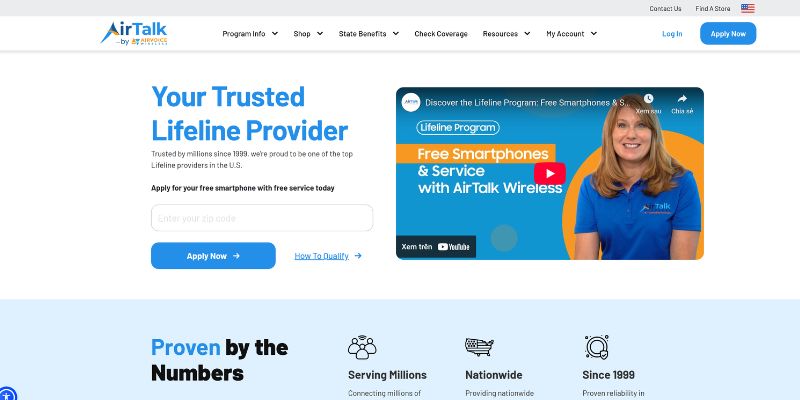
One participating Lifeline provider is AirTalk Wireless, which offers Medicaid-qualified individuals:
- A free or heavily discounted smartphone in eligible states
- Monthly talk, text, and data at no cost to qualifying users
- Nationwide coverage on major networks
- No contracts and no monthly bills
- Simple online enrollment tied to Medicaid eligibility

For families managing speech therapy approvals, prior authorizations, and recurring appointments, consistent phone access is not just convenient. It directly affects whether therapy starts on time and continues without interruption.
Applying through AirTalk Wireless allows eligible Medicaid recipients to maintain reliable contact with clinics, caseworkers, and managed care plans. When waitlists are long and response windows are short, staying reachable can protect access to critical speech therapy services.

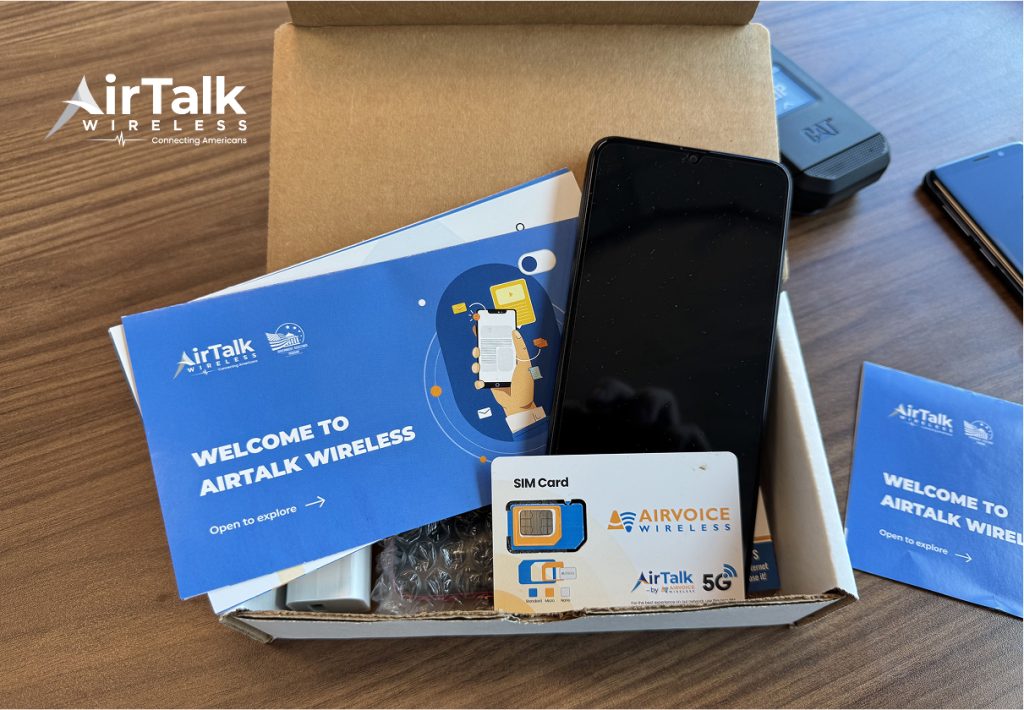
IMPORTANT: The government does not subsidize devices. Lifeline programs cover basic service costs only. Free or discounted devices, upgrade plans, or top-ups are exclusive benefits provided by AirTalk Wireless as part of our promotional offers. Terms and conditions apply. Limited-time promotion—offers vary by state, stock availability, and eligibility.
Conclusion
Finding a speech therapist that accept Medicaid requires more than locating a participating provider. You must secure referrals, complete authorizations, and respond quickly when appointments become available.
Because scheduling windows can be short and therapy slots limited, staying reachable is often just as important as being eligible. Clear communication and reliable contact information help ensure speech therapy begins on time and continues without unnecessary interruptions.