



Applying for Medicaid can feel stressful, especially during the waiting period. Approval timelines vary by state, and applicants often worry about healthcare access, documentation requests, and missed updates. Knowing “What to do while waiting for Medicaid approval” can help you protect both your health and your benefits while avoiding common mistakes that may delay or derail your application.
This guide outlines practical, legally accurate steps you can take during the Medicaid review process, including healthcare options, communication tips, and how to prepare for Lifeline benefits after approval.
1. What to Do While Waiting for Medicaid Approval?
Understanding “What to do while waiting for Medicaid approval” starts with recognizing what this stage means. During this period, your application is under review, and you are not yet an active Medicaid beneficiary. This distinction matters because eligibility-based benefits, such as Lifeline through Medicaid, are not available yet.
At this stage, your priorities should include:
- Monitoring application status
- Responding promptly to state Medicaid requests
- Avoiding gaps in healthcare access
Missing deadlines or failing to provide documentation can lead to denial, making it even more important to stay organized and reachable.
2. Can You See a Doctor While Waiting?


A common concern is whether medical care is available during this period. While Medicaid coverage does not begin until approval, understanding “What to do while waiting for Medicaid approval” includes exploring alternative care options.
Some states offer retroactive Medicaid coverage, meaning certain medical expenses incurred up to three months before approval may be reimbursed if you are ultimately approved. However, this is not guaranteed and varies by state.
You may still be able to:
- Visit community health clinics
- Use Federally Qualified Health Centers (FQHCs)
- Access urgent care services with sliding-scale fees
Always ask providers whether they accept retroactive Medicaid before treatment.
3. Temporary Health Care Options During the Waiting Period
While waiting for Medicaid approval, you may still access limited healthcare services while your application is under review. Although Medicaid coverage has not started, many applicants use community health clinics or federally qualified health centers (FQHCs), which offer basic care on a sliding-fee scale regardless of insurance status.
Hospitals may also provide charity care or financial assistance programs for low-income patients who need urgent or necessary treatment. These programs do not count as Medicaid coverage and do not affect your pending application.
For medications, some prescription assistance programs can help reduce costs during the waiting period. Using these options allows you to address essential health needs without delaying care or interfering with your Medicaid application.
>>> Read more: Is Marketplace Insurance Medicaid? Clearing Up a Common Health Coverage Confusion
4. Keep Your Contact Information Up to Date
One of the most critical, and often overlooked, steps in What to do while waiting for Medicaid approval is maintaining accurate contact information.
State Medicaid offices may contact you to:
- Request proof of income or residency
- Clarify application details
- Notify you of missing documents
If they cannot reach you, your application may be denied for non-response, even if you qualify.
Always update:
- Phone number
- Mailing address
- Email address (if applicable)
Prompt communication can significantly shorten approval timelines.
5. Free Phone Services Can Help During the Approval Process
This step requires special attention.
During What to do while waiting for Medicaid approval, applicants cannot use Medicaid eligibility to enroll in Lifeline yet, because Medicaid approval has not occurred. This means you cannot receive a free phone with Medicaid during the waiting period.
However, applicants still have options.
Applying for Lifeline through other eligibility paths
The federal Lifeline program allows enrollment through multiple qualifying programs, not Medicaid alone. Depending on your situation, you may qualify through:
- SNAP (Supplemental Nutrition Assistance Program)
- SSI (Supplemental Security Income)
- Federal Public Housing Assistance
- Income-based eligibility
Once approved through one of these pathways, participating providers can offer service benefits.
After Medicaid approval: How AirTalk Wireless helps?
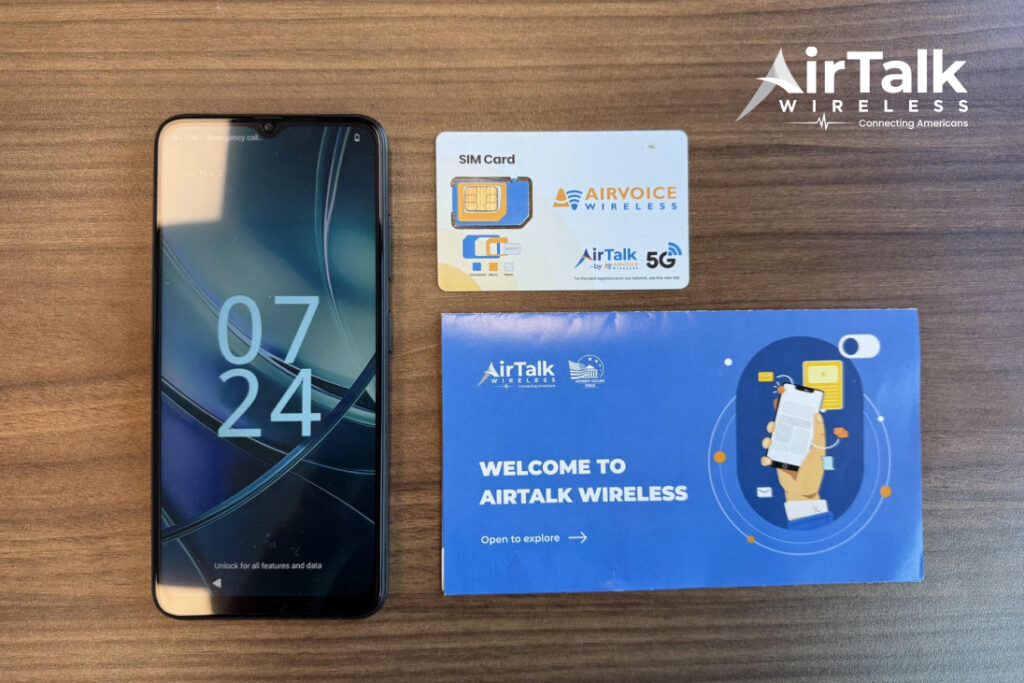
After Medicaid approval, beneficiaries may then qualify for Lifeline through Medicaid and access services from approved providers like AirTalk Wireless.
It is essential to clarify:
- Lifeline does not provide phones or data directly
- Devices and service plans are provided by companies such as AirTalk Wireless
Once eligible, qualified users may receive a free phone with Medicaid through the provider, along with monthly talk, text, and data.
Understanding this sequence is a key part of What to do while waiting for Medicaid approval, apply through other programs now, or wait until Medicaid is approved before enrolling via that pathway.
6. Why Staying Connected Matters?
Throughout “What to do while waiting for Medicaid approval”, maintaining reliable communication is critical because Medicaid agencies do not pause processing if they cannot reach you. During the review period, caseworkers may request additional documents, clarify income or household details, or notify you of missing information, all within strict deadlines.
If you miss a call, letter, or online notice, your application may be:
- Delayed due to incomplete verification
- Denied for failure to respond
- Closed, requiring you to restart the application process
This is why understanding “What to do while waiting for Medicaid approval” includes ensuring uninterrupted access to a working phone number and mailbox.
Even if you are not yet eligible for a free phone with Medicaid, using other affordable phone options, or qualifying for Lifeline through non-Medicaid programs, can help protect your application status until approval is finalized.
>>> Read more: Free iPhone Or Samsung Government Phone: How to Choose and Apply
Final Thoughts
Navigating the waiting period can be challenging, but knowing “What to do while waiting for Medicaid approval” helps reduce uncertainty and risk. While you are not yet eligible for Medicaid-based benefits, you can still:
- Seek temporary healthcare options
- Keep your information current
- Prepare for Lifeline enrollment after approval
Once Medicaid is approved, services like a free phone with Medicaid become accessible through trusted providers, not through Lifeline directly, but through companies such as AirTalk Wireless.
Staying informed, reachable, and proactive is the best way to protect both your health and your benefits during this transition.